Category 1: clean water
Water from a broken supply pipe or appliance that is clean at the source, but it degrades if it sits.
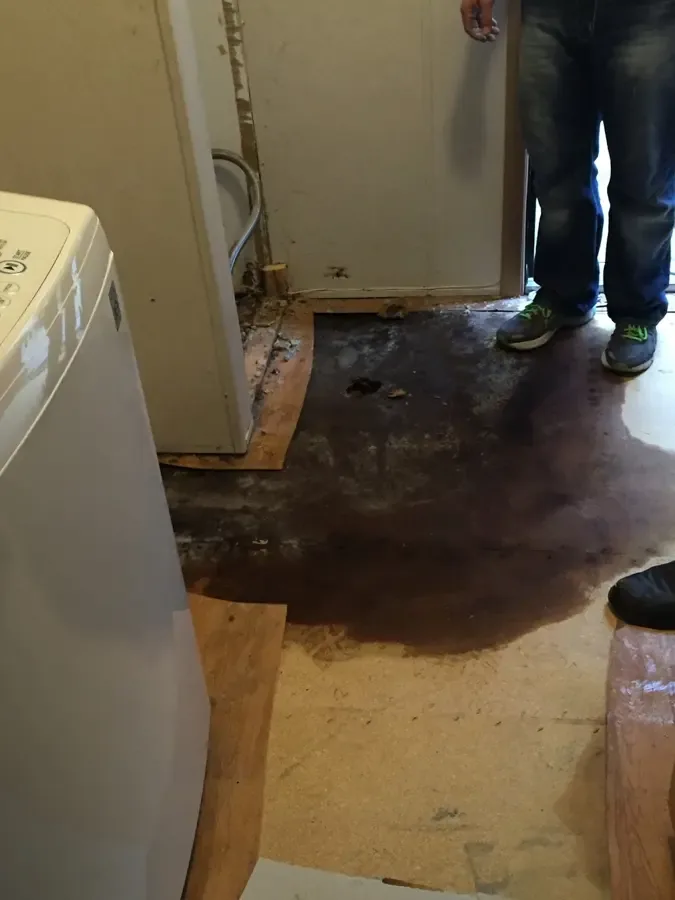
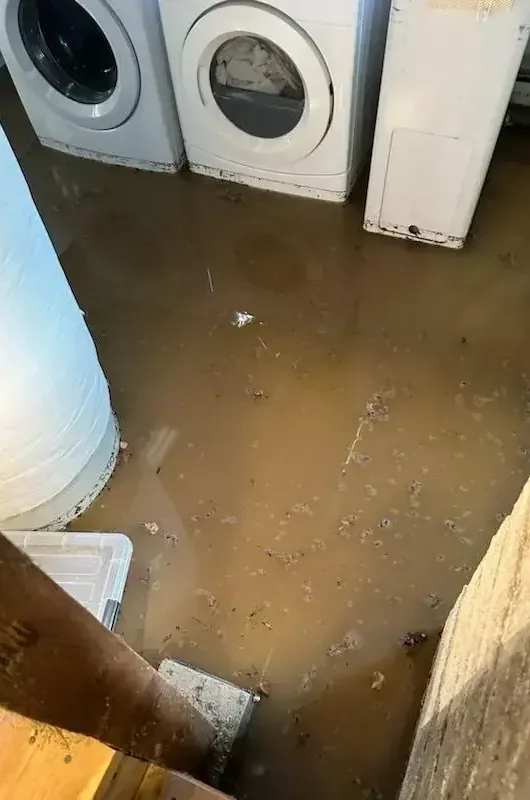
Burst pipes, flooded cellars and sewage backups hit a closely built township hard, and the water spreads fast. Trained crews extract, dry and document the loss to the IICRC S500 standard.
(888) 471-9821Talk to a restoration crew now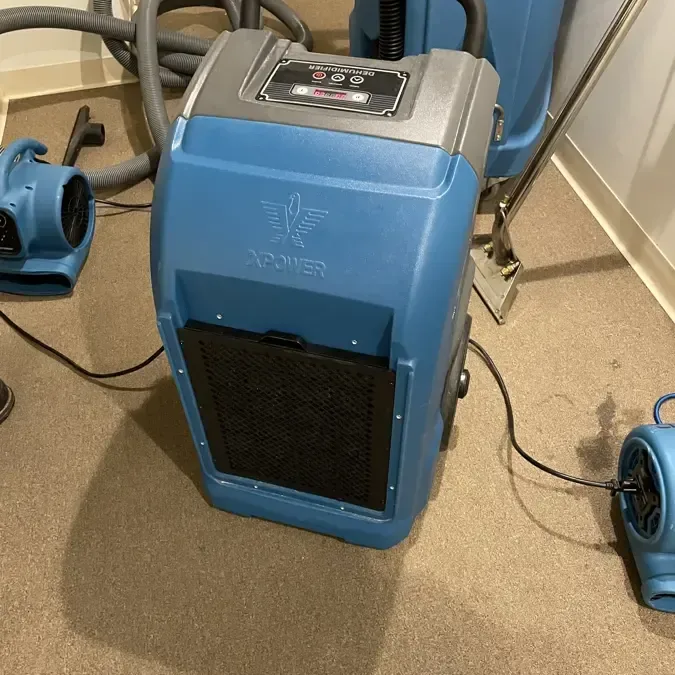
Water still spreading? Shut off the supply if it is safe, lift valuables off the floor, then call so a crew can plan the extraction.
Closely built blocks leave little room for water to go, so these three emergencies need fast, organized work.
Summer thunderstorms in northern New Jersey can overload drains and push water into basements and ground floors. Extraction and drying begin as soon as the area is safe.
Storm cleanup detailsA backed up drain sends contaminated water across the floor. The loss is treated as sanitary, with containment, removal and disinfection before any drying begins in the affected rooms.
Sewage cleanup stepsWinter freezes in northern New Jersey split exposed pipes, and one break can soak walls, ceilings and the floors below long before anyone notices the leak.
Pipe damage repairEvery common source of water is covered, from a supply pipe to a failed sump pump or a flooded storefront.
 Water Extraction and RemovalPumps and extraction wands remove standing water fast so floors and walls can start drying.Details
 Basement Flooding CleanupFlooded cellars and finished basements are pumped out, cleared of ruined contents and dried fully.Details
 Sewage Backup CleanupContaminated water is contained, removed and disinfected under sanitary loss rules before drying begins.Details
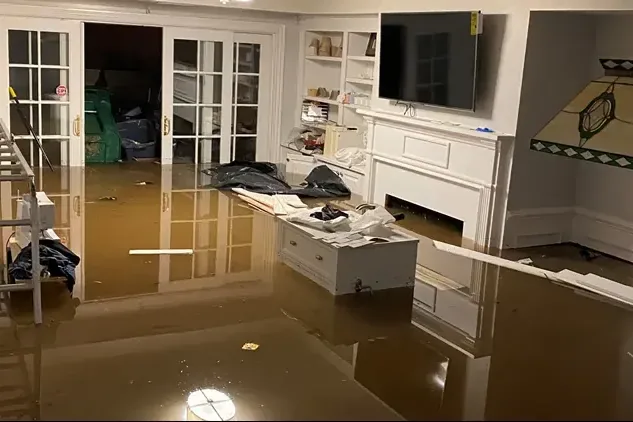 Storm and Flash Flood CleanupStorm water and flash flood intrusion is extracted from ground floors, garages and lower levels.Details
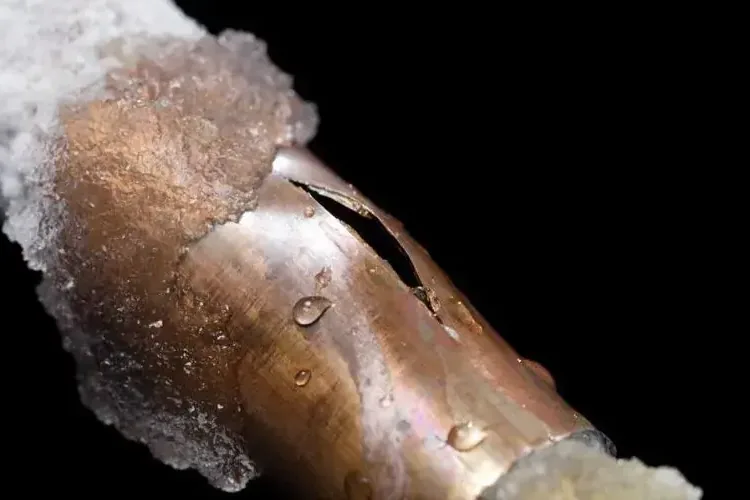 Burst Pipe Water DamageA split supply pipe is traced, the wet materials are removed and the cavity is dried out.Details
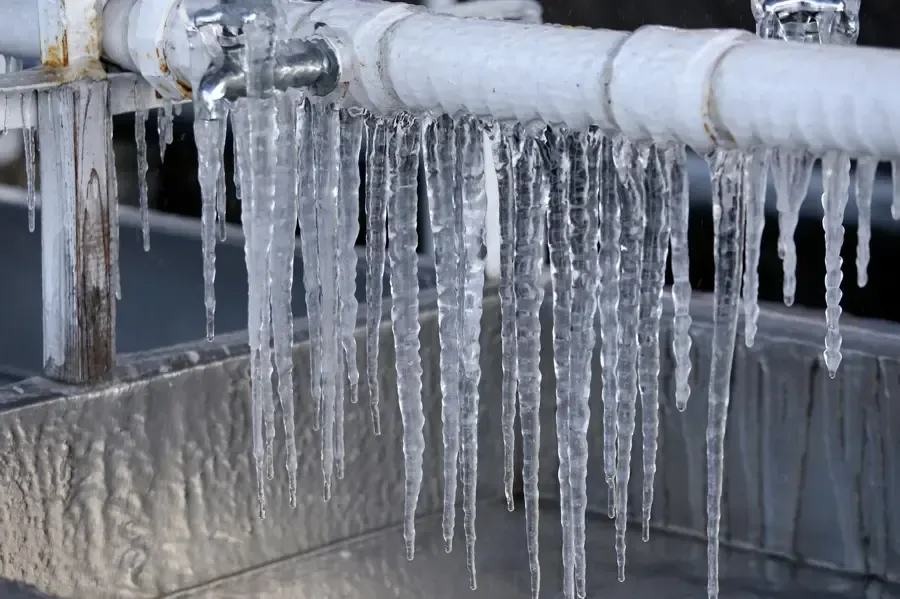 Frozen Pipe Water DamagePipes that split after a hard freeze often leak behind walls, so moisture mapping finds the hidden spread.Details
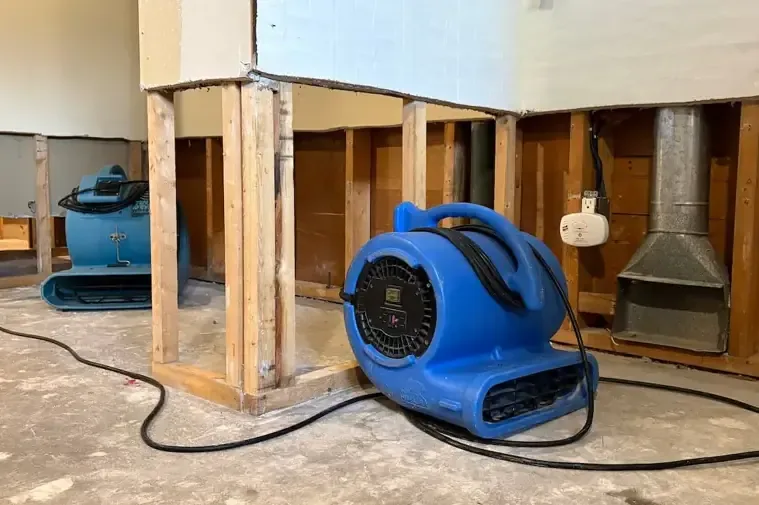 Radiator and Boiler LeaksLeaking radiators, valves and boilers wet floors and ceilings below, and the drying plan covers both levels.Details
 Ceiling Leak Water DamageStained or sagging ceilings are opened, drained and dried so insulation and drywall do not stay wet.Details
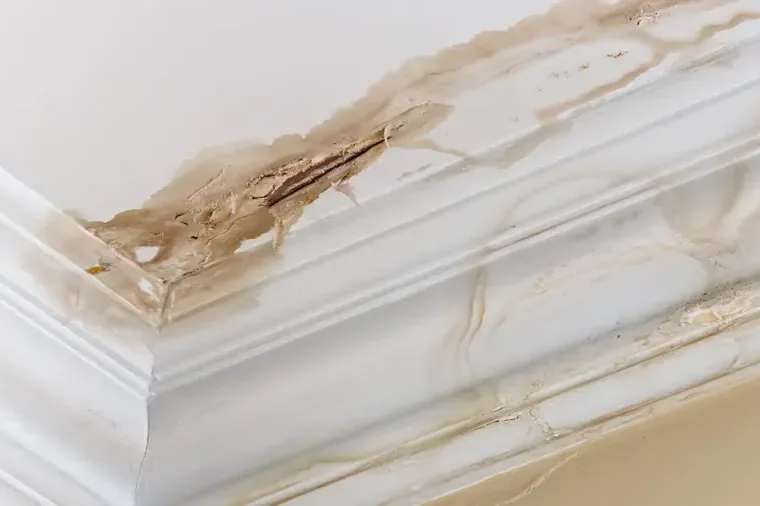 Roof Leak Water DamageStorm and rain leaks that reach attics and ceilings get moisture checks and targeted drying.Details
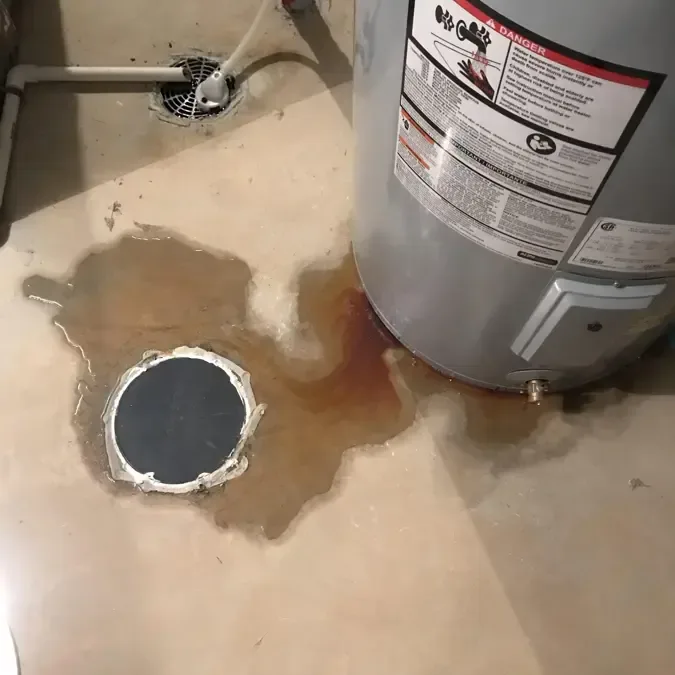
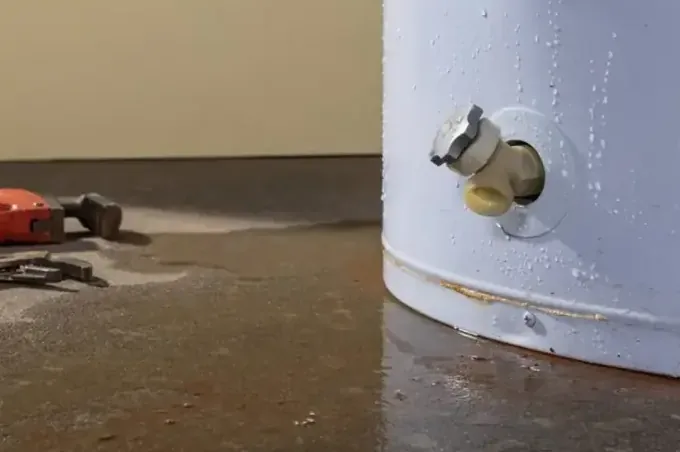 Water Heater Leak CleanupA leaking or burst tank floods the surrounding floor, which is pumped out and dried.Details
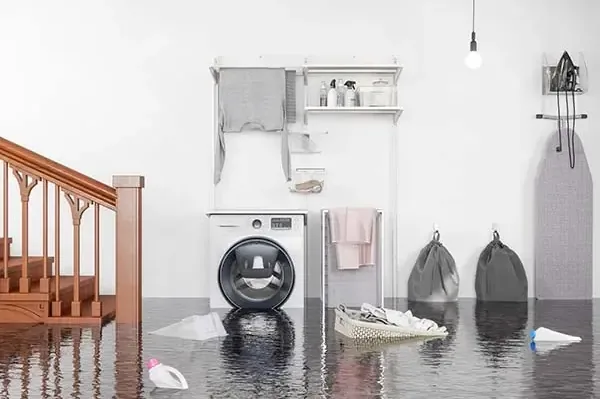 Washer and Appliance LeaksWasher, dishwasher and refrigerator supply leaks wet floors and cabinets until the source is stopped.Details
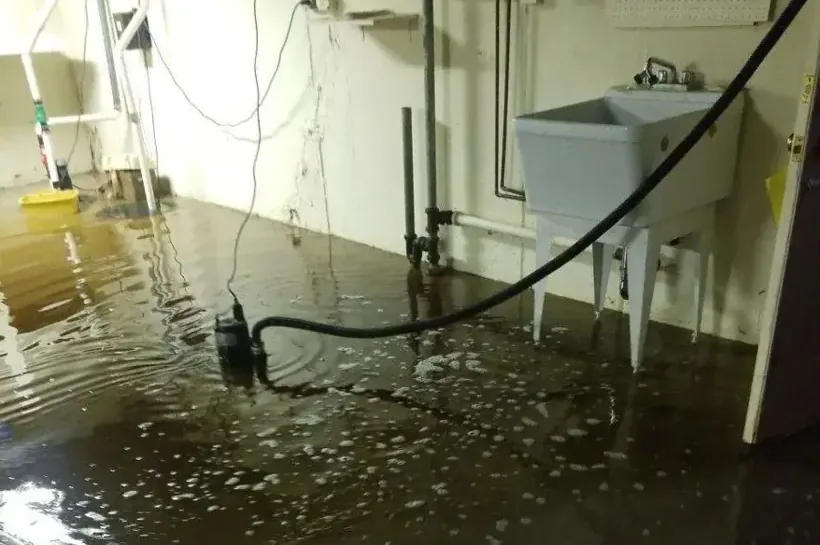 Sump Pump Failure CleanupWhen a sump pump fails in heavy rain, the basement water is removed and the space is dried.Details
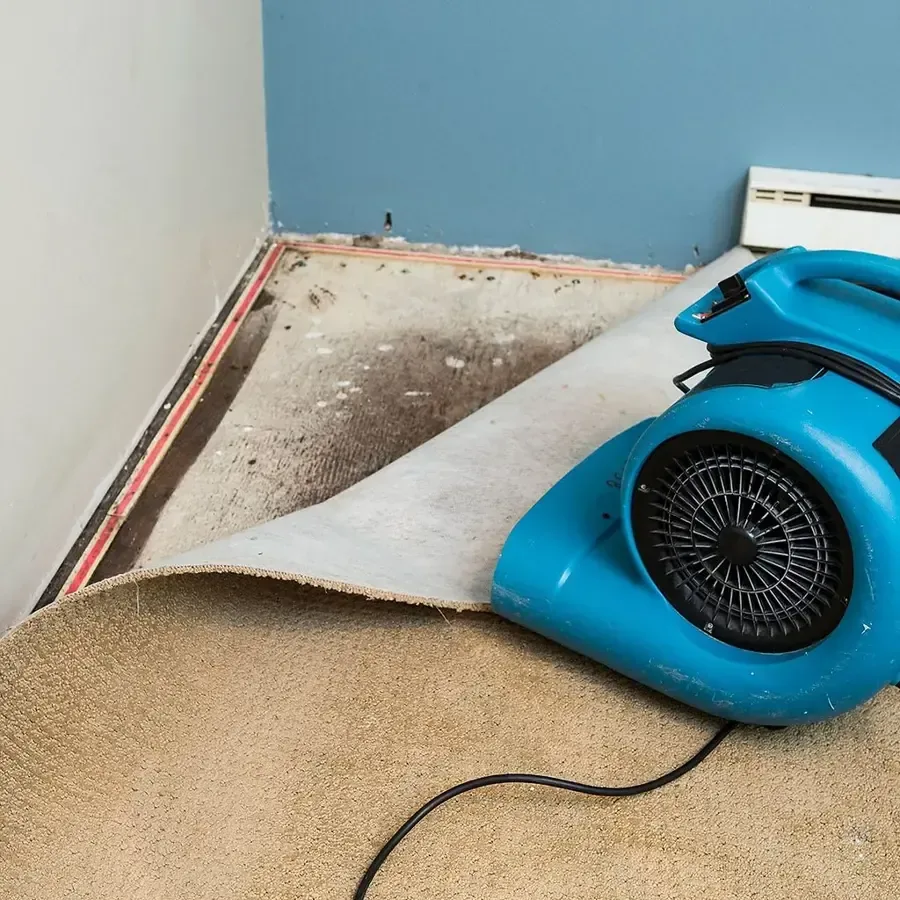
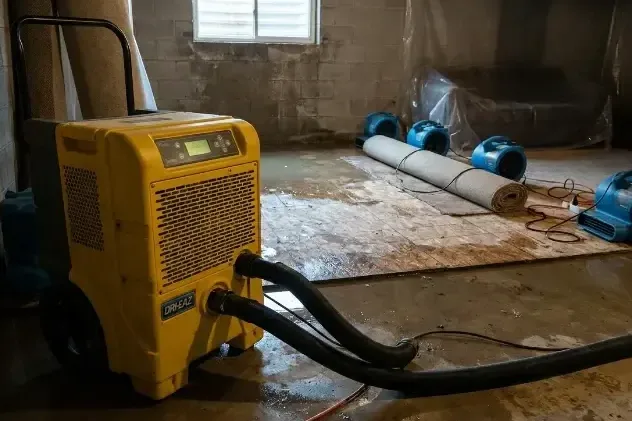
 Structural Drying and DehumidificationDehumidifiers, air movers and daily moisture readings take wet framing and plaster to the drying goal.Details
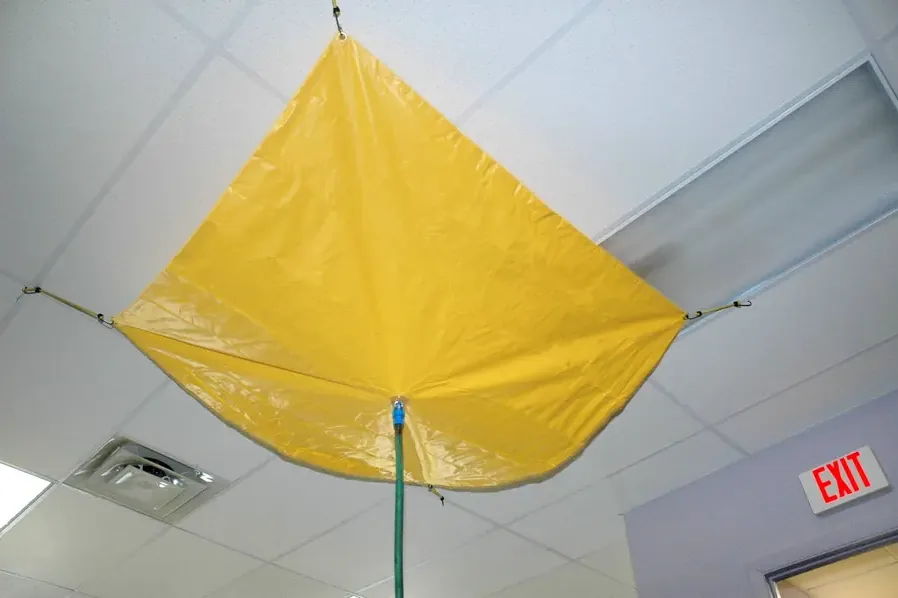 Commercial Water DamageStorefronts, offices and shared buildings get containment, extraction and drying planned around business hours.Details Water on the floor right now?Phone a restoration crew at any hour. Describe the water, its source and the rooms involved, and the next steps follow. (888) 471-9821Estimate your restoration costUse the cost calculator to see a rough range for the rooms and water type involved.Open the calculator
Close the nearest shutoff valve or the main supply. Cut power to wet areas only if the panel is dry and safe.
Water that touched outlets, appliances or a sewage source can carry shock and contamination hazards, so keep people and pets clear.
Move small furniture, rugs, electronics and papers onto dry surfaces, and leave heavy items alone rather than risking a strain.
Take wide and close photos of the source, the high water mark and damaged belongings before anything is moved or thrown away.
Phone a water damage crew early, since wet drywall, insulation and wood begin to deteriorate after the first day or two.
Irvington is a township in Essex County, and its closely built blocks mean water from one unit or storefront can travel to neighbors quickly. Crews here plan extraction and drying with that spread in mind.
The work follows the IICRC S500 standard: water is classified by category and class, wet materials are mapped with meters, and equipment stays until daily readings reach the drying goal for each material.
See all water damage servicesCrews are dispatched around the clock and plan extraction as soon as the situation is safe to enter.
Moisture meters, psychrometric readings and a written drying plan show when each material actually reaches the target.
Photos, moisture logs and equipment records are organized so an adjuster can follow the loss from start to finish.
Crews work only on water and sewage losses, so the equipment, training and methods all point at one kind of job.
Every dry out follows four stages, whatever the source of the water or the size of the loss.
Moisture meters and thermal checks map the wet area, and the water is assigned a category and a class before work starts.
Pumps and wands pull standing water, and soaked carpet pad, insulation or drywall that cannot be saved is cut out and bagged.
Air movers and dehumidifiers are placed from the readings, then adjusted each visit so airflow reaches the wettest cavities.
Final readings are compared with dry reference points, equipment is removed, and the full record is ready for the claim file.
Most structures need drying equipment running for three to five days, though plaster, hardwood and masonry can take noticeably longer to reach the drying goal.
Category and class set the safety steps and equipment, so every job starts by identifying the water.
Water from a broken supply pipe or appliance that is clean at the source, but it degrades if it sits.
Water from a washer, dishwasher or overflowing fixture carries contaminants and needs careful removal of porous materials it touched.
Sewage, river overflow and rising flood water carry serious contamination, so the area needs full containment and disinfection.
Sewage backup cleanupMost jobs fall between $1,000 and $20,000, depending on the rooms affected, the water category and how long materials stayed wet. A small leak costs far less than a flooded finished basement. The final quote follows a moisture inspection, because the real extent of wet drywall, insulation and flooring is rarely visible from the surface.
Ranges are planning figures only. Insurance coverage, the extent of hidden damage and the type of water can all move the final price up or down.
A clear record of the loss speeds up the adjuster's review and supports a fair settlement.
Wide and close shots of the source, wet areas and damaged items before cleanup.
Daily readings and a list of each machine show what ran and for how long.
A room by room list of removed materials and drying steps gives a clear scope.
Photos and a simple list of damaged belongings support the contents portion of a claim.
Report the loss promptly, since most policies expect quick notice. Homeowners can help by keeping receipts for emergency purchases, saving damaged samples when asked and writing down every phone call with the insurer, including the date, the name and what was said.
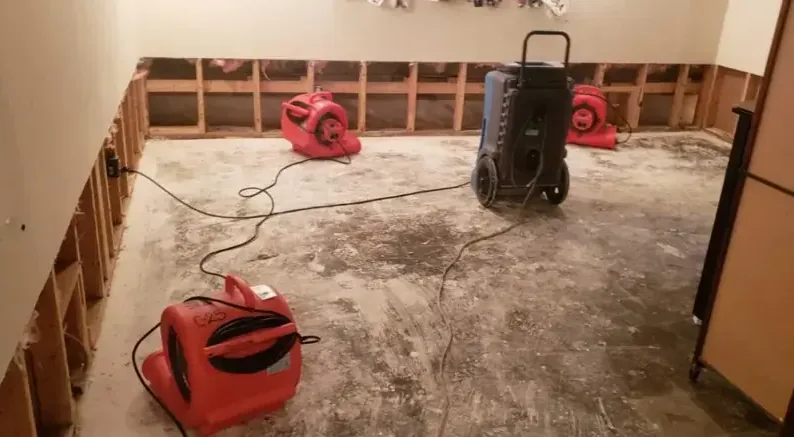
ZIP code 07111 is the main service ZIP, and crews work across residential streets and the commercial corridors listed below.
Phone at any hour, including nights, weekends and holidays. Describe the water and its source, and a coordinator sends the right crew and equipment for the type of loss involved.
Rain, winter freezes and tight construction shape the water problems that crews see in this part of Essex County.
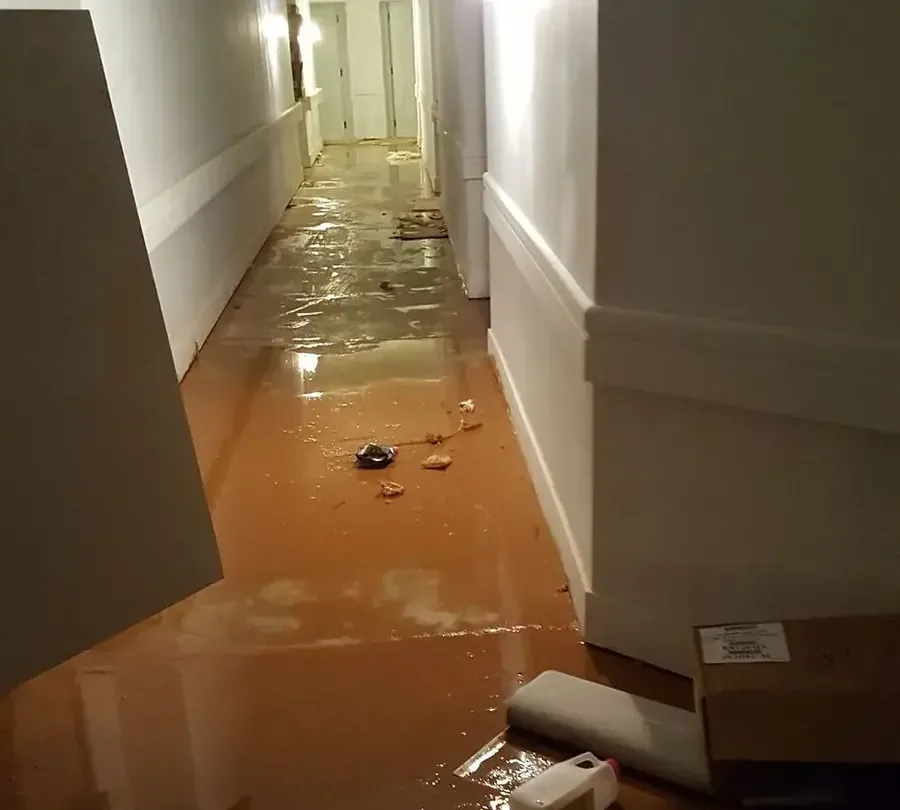
Crews are dispatched around the clock, and extraction begins as soon as the area is safe. Starting early limits how far water and moisture travel. Describe the source on the call so the right equipment is loaded.
Stop the water at the source if it is safe, keep everyone out of contaminated areas, lift valuables and photograph the damage. Avoid household vacuums on standing water, which is a shock hazard.
Most dry outs run three to five days of equipment time. Dense materials such as plaster, hardwood and masonry hold moisture longer, so daily readings decide when machines can leave.
Coverage depends on the policy and the cause. Sudden events such as a burst pipe are often covered, while gradual leaks and flood water usually need separate coverage. Reading the policy or asking the insurer early avoids surprises.
Yes. Sewage is Category 3 water, so crews wear protective gear, contain the area, remove porous materials and disinfect surfaces before any drying equipment runs. Never clean it up with household tools alone.
Often yes, when clean water is caught early. Carpet pad, insulation and drywall touched by gray or black water are usually removed because they cannot be reliably cleaned. Moisture readings make the call, not appearance alone.
The township directs residents to New Jersey American Water for water service. For a leak inside the property, the interior shutoff valve is the first stop, and a restoration crew handles the damage afterward.
Yes. Storefronts, offices and shared buildings get containment, extraction and drying planned around business hours, with moisture records suited to a commercial insurance claim. Storefronts along Springfield Avenue are one example.
Yes, because water follows framing into wall and ceiling cavities where it cannot be seen. Meters and thermal imaging locate the hidden moisture so every wet cavity gets airflow. Surface drying alone often leaves damp materials behind.
Price follows the number of rooms, the water category, the materials involved and the equipment days needed. A moisture inspection comes before any firm quote. The cost section above shows typical ranges.
Every hour water sits, more material soaks through. A single call starts the extraction and drying plan.