Category 1 water
Supply leaks and rain intrusion start clean, but they age into higher categories if left standing, so early extraction matters.
Water from a burst pipe, a backed up drain or a summer storm gets pulled out and dried in Nutley's brick houses, shops and apartments, with every step logged for the insurance adjuster.
(888) 471-9821Call for a dry out plan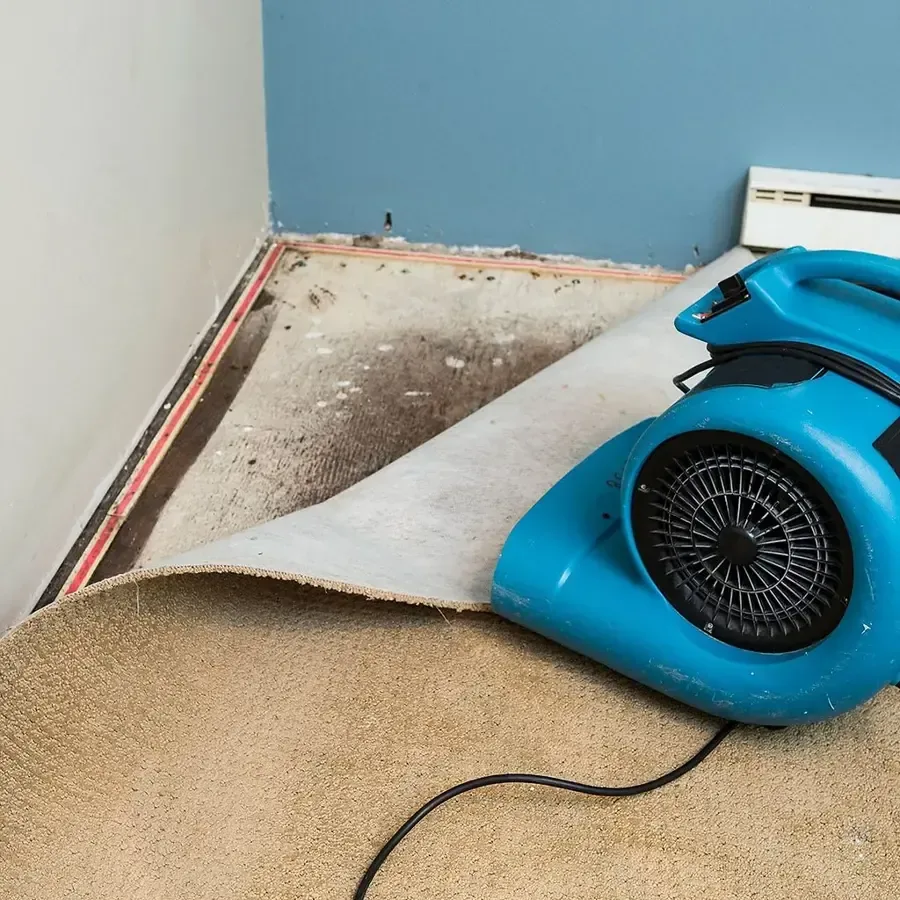
Ask for the paperwork Photos, moisture readings and a written scope start at the first visit, so the adjuster sees the full loss early.
Water enters a brick house from above, below or the drain, and each route needs its own first move.
Yanticaw Brook and the Third River cut through the street grid, so heavy rain can push water toward low yards and lower levels that need quick pumping.
Storm cleanup detailsA backed up drain sends contaminated water across floors, and the wet area is contained, removed, cleaned and dried before anyone moves back in.
Sewage cleanup stepsMasonry walls can hide a split pipe for a long time, so shutoff, extraction and a moisture map come before any wall is opened.
Burst pipe responseEvery common water loss gets its own method, from one leaking appliance to a flooded lower level or a shop floor.
 Water Extraction and RemovalStanding water is pulled out with weighted wands and pumps before it soaks the floor deeper.Details
 Basement Flooding CleanupFlooded cellars and lower levels are pumped, stripped of ruined contents and dried layer by layer.Details
 Sewage Backup CleanupContaminated backup water is contained and removed, and the affected surfaces are cleaned and sanitized.Details
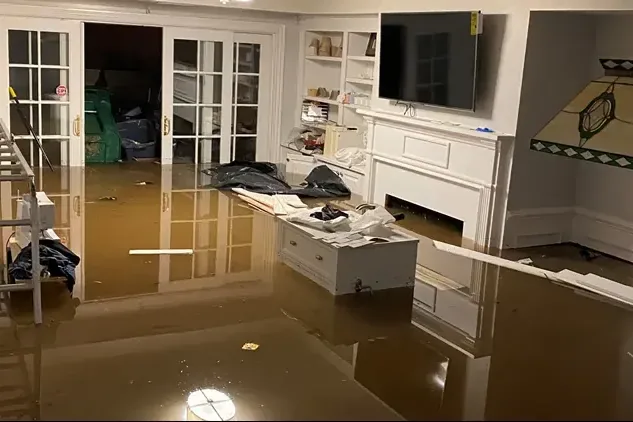 Storm and Flash Flood CleanupStorm surge and runoff are removed from garages and ground floors, then the structure is dried.Details
 Burst Pipe Water DamageA split supply pipe is traced, the wet wall opened as needed and the cavity dried.Details
 Frozen Pipe Water DamageThaw damage from a cracked winter pipe is found behind walls and ceilings and dried out.Details
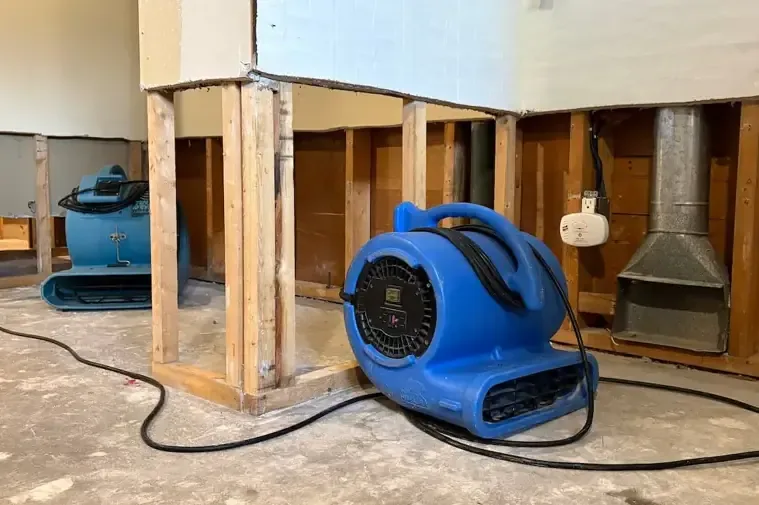 Radiator and Boiler LeaksHeating leaks from radiators and boiler rooms are dried before floors and plaster warp.Details
 Ceiling Leak Water DamageStained or sagging ceilings are traced to the source, relieved safely and dried.Details
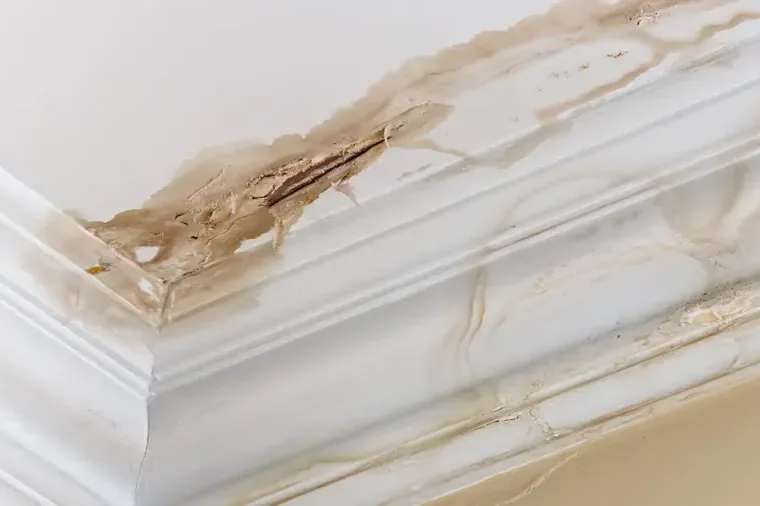 Roof Leak Water DamageRain that gets past the roof is followed through the attic insulation and dried.Details
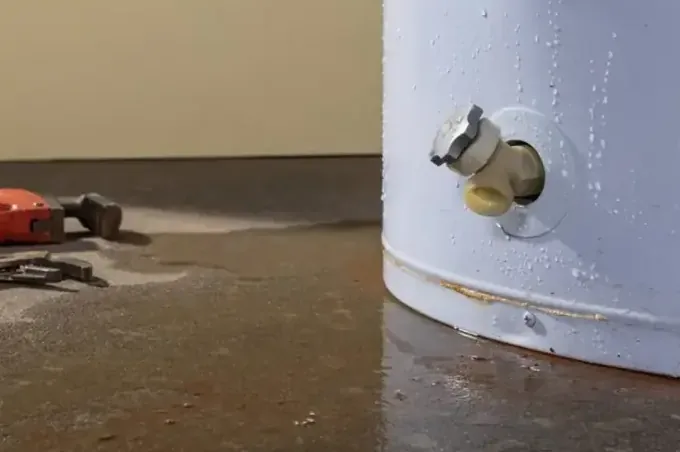 Water Heater Leak CleanupA failed tank is shut off, the spill extracted and the floor and walls dried.Details
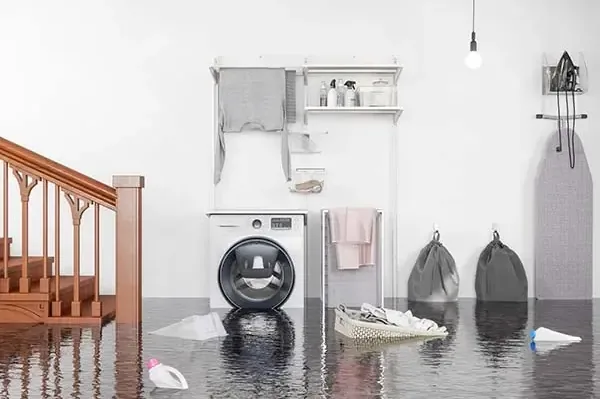 Washer and Appliance LeaksWasher, dishwasher and refrigerator leaks are located under floors and cabinets, then dried.Details
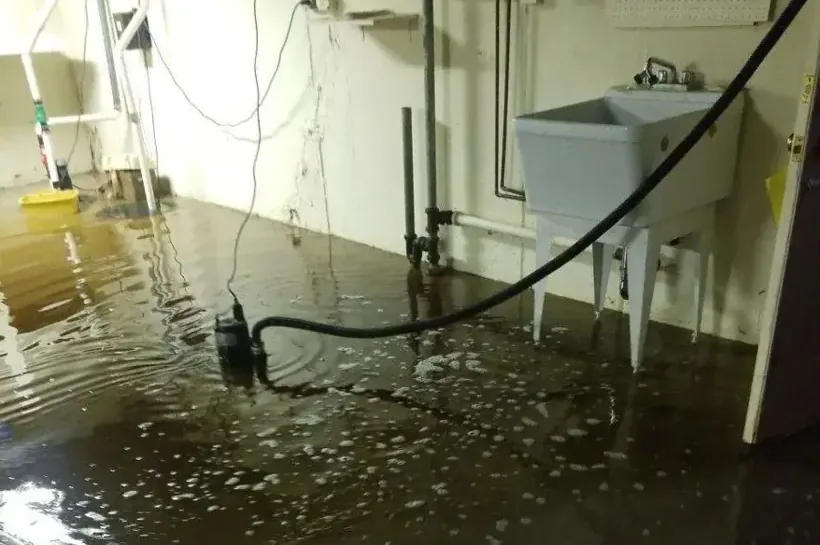 Sump Pump Failure CleanupWhen a sump pump stops, the stored water is removed and the area dried.Details
 Structural Drying and DehumidificationAir movers and dehumidifiers dry walls, floors and framing until readings confirm it.Details
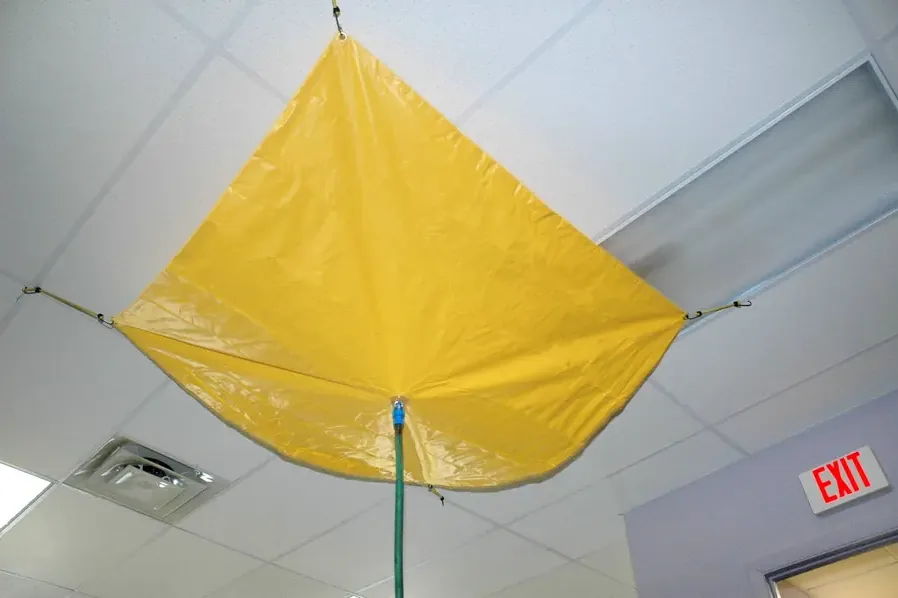 Commercial Water DamageShops, offices and storefronts get containment and drying plans that limit downtime.Details Water moving right now?Call any hour, describe where the water is coming from, and the right equipment is sent out. (888) 471-9821Estimate your repair costPick the damage type and room size to see a ballpark range before any crew visits.Run the estimator
Close the fixture valve or the main shutoff, and switch off power to wet areas only if the panel is dry and safe to reach.
Keep children and pets out of standing water, since a flooded room can hide electrical hazards or contaminated runoff.
Take wide and close photos of the water, the affected materials and the damaged contents before anything is moved.
Raise furniture legs onto blocks and carry small valuables and papers to a dry room.
Hand the pumping and drying to trained crews, because water left in walls and floors keeps spreading after the surface looks fine.
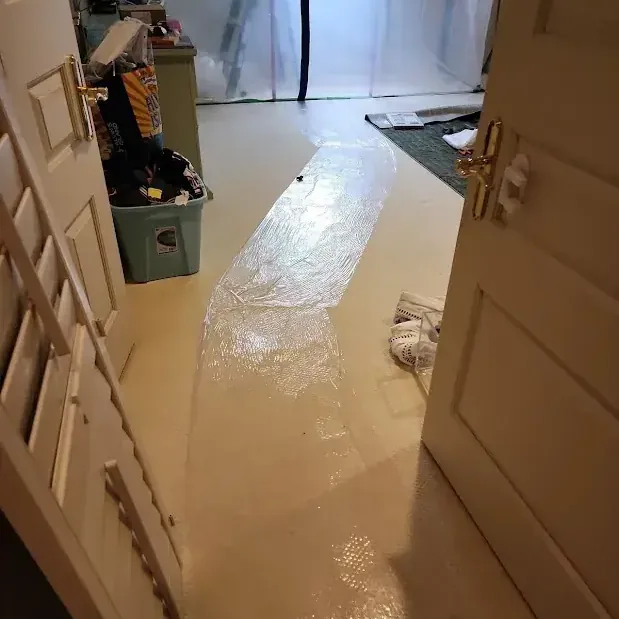
Nutley is a township of tree streets, brick houses and parkland on a built-out grid, and water damage there often starts small and travels behind finished walls before anyone notices.
Crews arrive with pumps, moisture meters and drying equipment, remove what cannot be saved and keep a written record, so the homeowner and the adjuster work from the same facts.
See all water servicesA crew is sent at any hour, and the first questions fix the source and the rooms involved.
Class and category are set first, equipment is placed to match, and daily readings decide when drying ends.
Photos, moisture logs and equipment records are saved for the adjuster, so the file is ready when the claim opens.
Crews work in brick houses, apartments and shops, and they know how water travels through masonry and plaster.
The S500 method turns a wet building into a measured project with a target and a record.
The source, the water category and the damage class are identified first, and moisture mapping shows how far the water traveled through floors and walls.
Pumps and weighted wands remove bulk water from floors and carpet so the drying equipment only has to handle what remains in the materials.
Air movers and dehumidifiers run in balance for days if needed, and the crew adjusts their placement until wall and floor readings reach the dry goal.
Final readings are logged against unaffected materials in the same house and shared with the owner and the adjuster before equipment is removed.
Equipment typically runs for several days in a normal loss, and moisture readings taken at each visit decide when it comes out, not the calendar.
Clean, gray and black water each carry a different health risk, so the category sets the method.
Supply leaks and rain intrusion start clean, but they age into higher categories if left standing, so early extraction matters.
Washer discharge and dishwasher overflow carry contaminants, so porous materials are removed rather than dried.
Sewage backups and river or creek flooding are grossly contaminated and call for containment, protective gear and removal of affected porous items.
Sewage backup cleanupMost local jobs fall between $1,000 and $20,000, depending on the water category, the number of rooms and how long materials stayed wet. One damp room costs far less than a flooded lower level with contents to remove and several days of equipment running.
Ranges are typical, not quotes. The written scope after a moisture survey sets the real figure, and the adjuster decides what the policy covers.
A clear record of the loss speeds up the claim, so crews collect the same proof adjusters ask for.
Wide, close and detail photos taken before, during and after the dry out.
Dated readings for each wet wall, floor and ceiling show how drying progressed.
Counts and run times for every air mover and dehumidifier support the drying charges.
A written list of removed materials and contents lets the adjuster compare it with the policy.
Homeowners can help by keeping receipts for emergency repairs, listing damaged belongings with rough values and holding on to discarded items until the adjuster has seen them or approved disposal, which protects the value of the claim. Notice to the carrier should go out early.
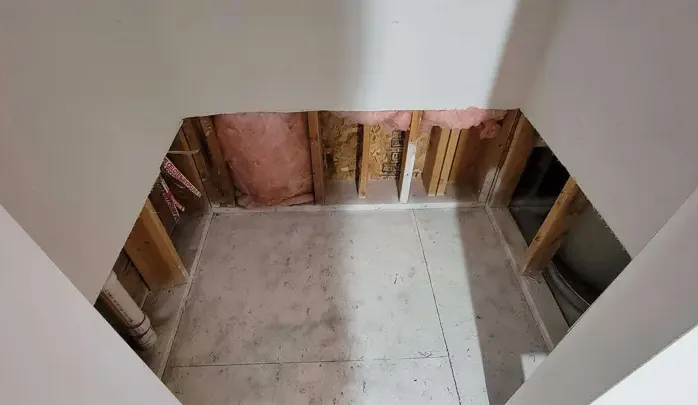
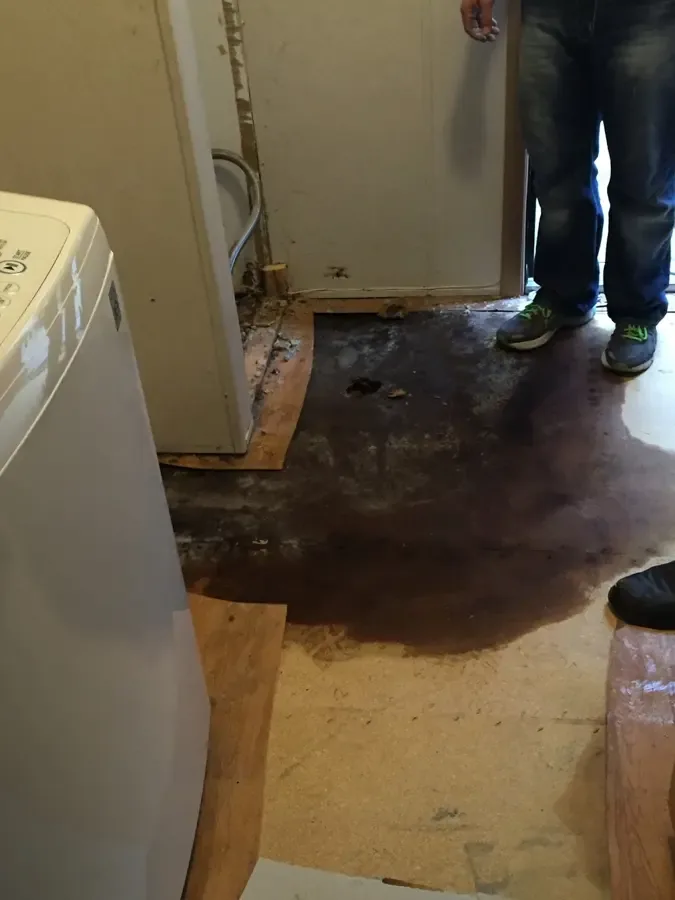
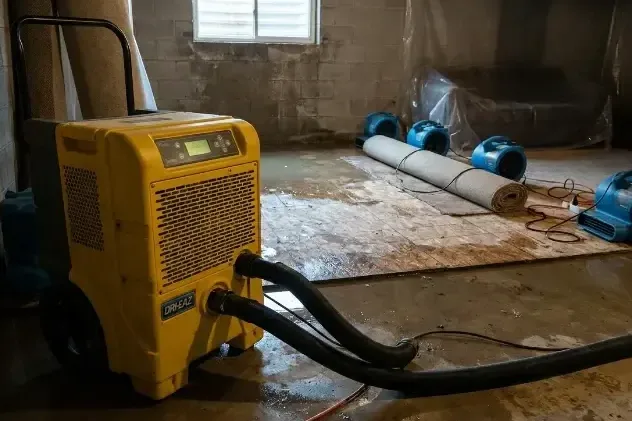
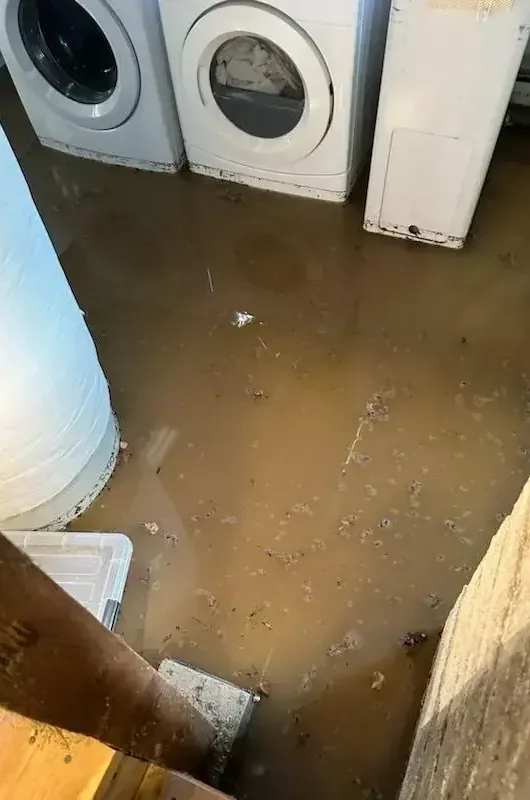
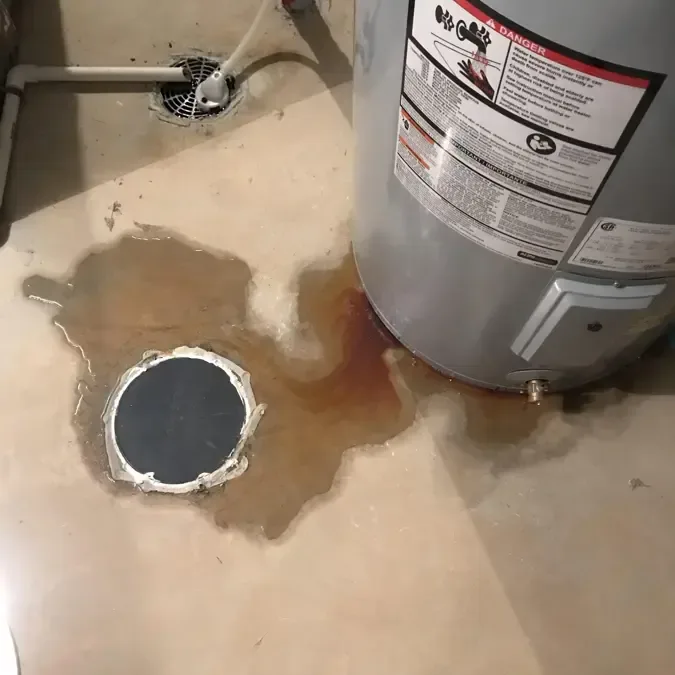
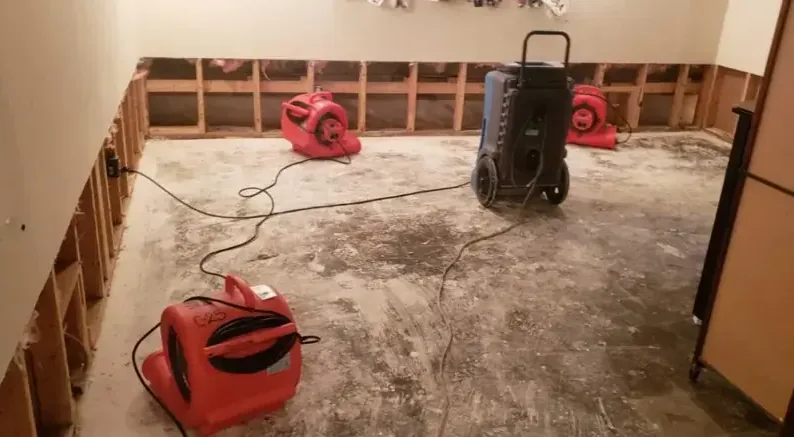
Crews cover ZIP code 07110 and the streets running from Franklin Avenue to the Passaic River, at any hour of the day or night.
Describe the water, the rooms involved and whether sewage is present, and the dispatcher sends the matching pumps and drying gear for the job at any hour.
Creeks, a river and the water mains each leave their own mark on how local water calls begin.
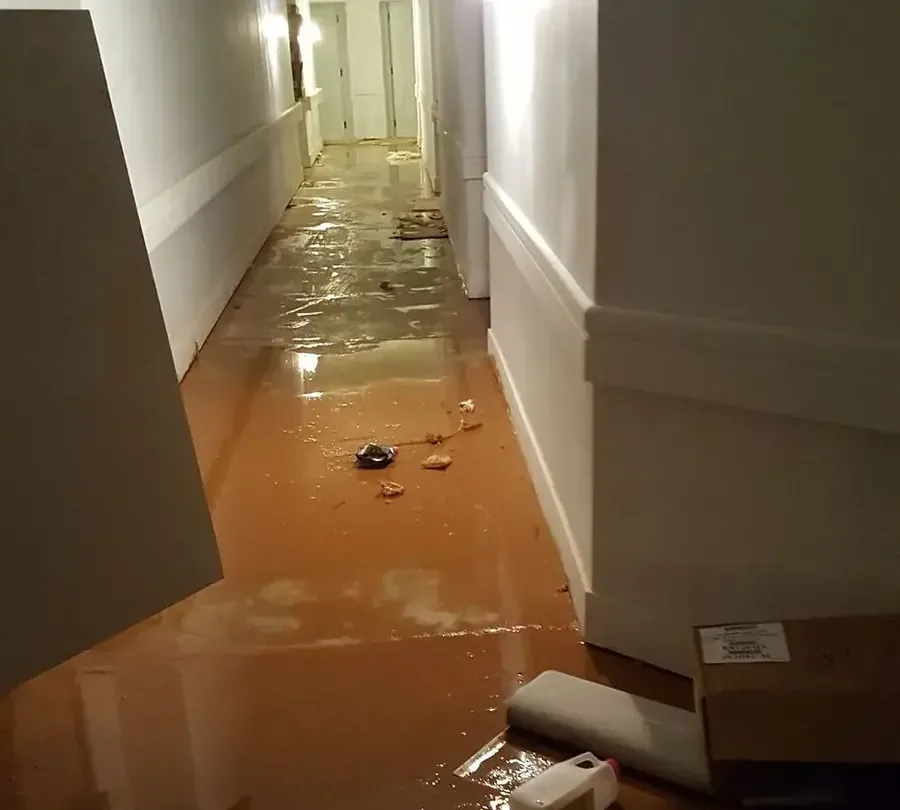
Water moves along framing, plaster and floor joists faster than it looks, and walls can stay wet behind a dry surface, so extraction should begin as soon as the source is stopped and the room is safe to enter.
Small contained losses run about $1,000 to $4,000, multi room jobs about $4,000 to $10,000, and contaminated or large losses $8,000 to $20,000 or more. A written scope sets the exact figure.
Yes. Sewage is Category 3 water, so the area is contained, protective gear is worn, porous materials are removed and surfaces are cleaned and treated before drying starts.
Brown water can follow hydrant use, firefighting or a main break. The Nutley Water Department supplies the township, which advises running water 10 to 15 minutes until it clears.
On October 5, 2022, a 74-inch main broke along Bloomfield Avenue, affecting about 300,000 people across Essex, Hudson and Passaic counties, and water ran in front of homes.
Yes. Franklin Avenue storefronts, offices and the few industrial pockets near Kingsland Street get commercial drying plans built to limit downtime for staff, tenants and customers alike.
Many losses dry in several days, though plaster, hardwood and masonry take longer. Moisture readings taken at each visit decide when the equipment leaves the property, not a fixed number of days.
Often yes after a small clean loss, but equipment is loud, and sewage or heavy demolition may make a room unusable. The crew explains which areas stay safe.
Coverage depends on the policy and the cause. Sudden pipe or appliance failures are often treated differently from slow seepage, so the adjuster should see photos and logs early.
After the first day or two, wet drywall, carpet pad and insulation start to break down. Hardwood and plaster can sometimes be saved, but only with prompt drying and a close look at the moisture readings.
Moisture keeps reaching more framing and plaster while the call waits, so one call now keeps a small loss small.