

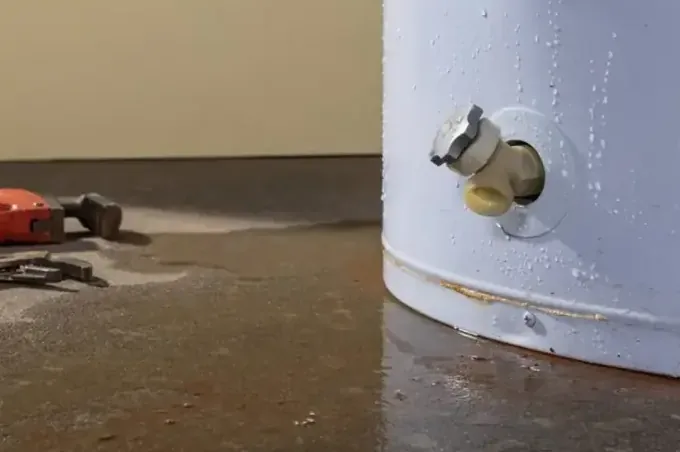
Can a leaking radiator ruin a hardwood floor?
It can, but cupped boards are often saved. Floor drying mats and dehumidifiers pull the water out of the wood, and boards that flatten as they dry can usually be refinished.
The drying team handles water from leaking radiators, valves, vents and boilers in Orange homes, extracting the water, drying hardwood with floor mats and dehumidifiers and checking the ceiling below for hidden moisture.
(888) 471-9821Radiator leaking? Save the floor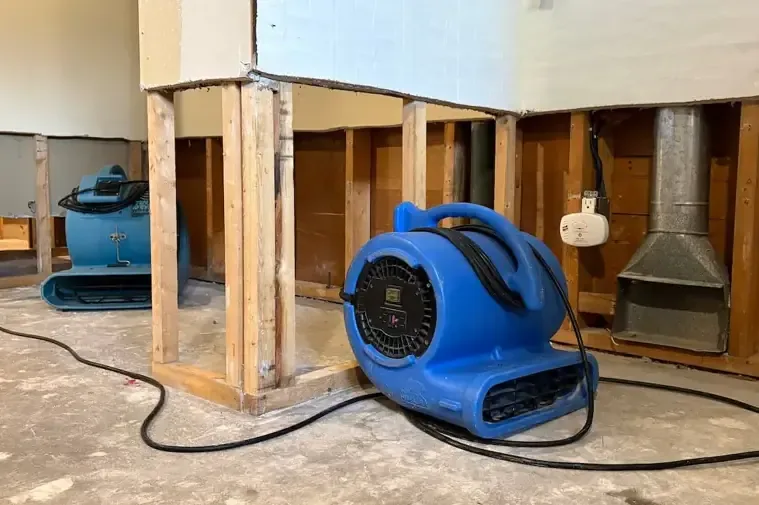
Lower the thermostat or switch off the boiler so the system stops pushing water and steam to the leak.
If the leak is at one radiator, close its supply valve and catch the drip with towels and a pan.
Blot standing water from wood floors right away, since hardwood starts to cup as it soaks.
Take timestamped photos of the leak, the floor around it and any stain on the ceiling below.
Radiator and boiler leak cleanup here typically costs $600 to $12,000 or more. A slow drip on one floor sits at the low end; a boiler failure that flooded a finished basement, or a leak that reached the ceiling below, sits at the high end.
For a planning number on your own loss, try the water damage cost calculator. Ranges are typical, not a quote: the water category, the square footage, the material class and how fast drying started move the final figure, which comes from the walkthrough and the moisture map.
The tech who does the walkthrough confirms the heat is off at the leak and checks the boiler area for standing water and wet wiring.
Water is pulled from floors, rugs and the gaps between boards, and the radiator area is cleared so the floor can be reached.
Floor drying mats pull water up out of hardwood while dehumidifiers dry the room, and the ceiling below is metered for hidden water.
Daily readings on the hardwood, subfloor and plaster show progress, and the equipment stays until they match a dry reference.
Hot-water and steam heat is common in older Essex County houses and apartment buildings, and radiators sit right on the hardwood. A leaking valve or air vent can drip for days before anyone notices the floor lifting, and a boiler leak in the cellar can flood the room it sits in.
Wet hardwood cups as the bottom of the boards takes on water. Pulled up too soon, boards that could have been saved get thrown out. The drying team lays floor drying mats that draw water up out of the wood, runs LGR dehumidifiers and takes daily readings. Boards that flatten as they dry can usually be sanded and refinished; boards that crack or stay cupped are replaced.
On upper floors, water from a radiator often runs through the floor into the plaster ceiling underneath. Moisture meters check that ceiling even when no stain shows. For more on the heating system itself, the Department of Energy's Energy Saver site covers home heating, and Ready.gov's winter page covers heat outages. When the water reached the floor below, see ceiling leak water damage.
A boiler room in the cellar adds its own scope. Water around a boiler is extracted, the slab and nearby walls are dried, and the heating contractor checks the boiler before the heat comes back on, since a wet burner or control can be unsafe.
The restoration team covers ZIP 07050 and 07051, from Main Street and the Orange station area out along Central Avenue, Scotland Road and Highland Avenue to the blocks near the East Branch of the Rahway River.
Nearby coverage reaches East Orange, West Orange, South Orange, Glen Ridge, Montclair.
It can, but cupped boards are often saved. Floor drying mats and dehumidifiers pull the water out of the wood, and boards that flatten as they dry can usually be refinished.
Turn the heat down, close the radiator supply valve if you can reach it, blot the water off the floor and photograph the leak and the floor before calling for drying.
It is system water, not sewage, but it has sat in iron pipes and can carry rust and treatment chemicals. It is usually handled as Category 1 or 2.
Usually two to four days for one area of hardwood caught early. Wood that soaked for days, or a leak that reached the ceiling below, takes longer.
A heating contractor or plumber fixes the radiator, valve or boiler. The restoration team handles the water damage, the drying and the claim documentation.
Sudden water damage from a boiler or radiator is often covered, while wear on the boiler itself usually is not. Coverage depends on your policy, so check with your insurer.
Hardwood under a leaking radiator keeps cupping as it soaks. Getting the mats and dehumidifiers down soon saves boards.