

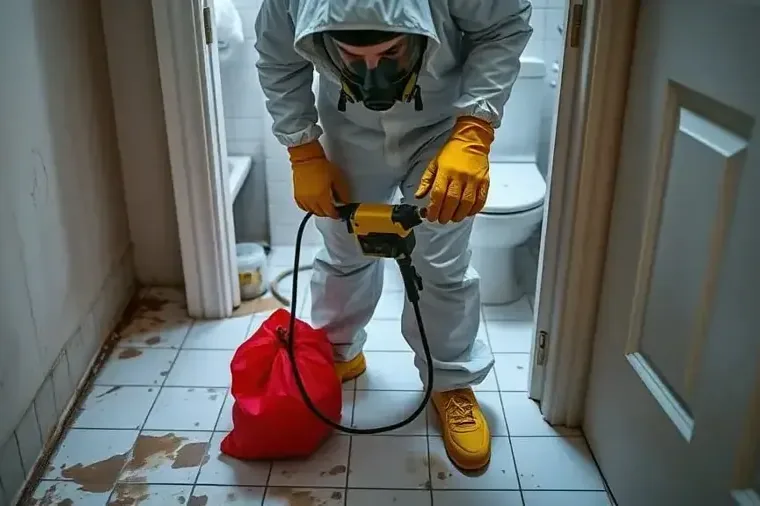
Can restoration work happen while the business is open?
Often yes. Crews use barriers, quiet hours and phased work to keep customers away from wet areas and equipment. Sewage may need a temporary closure of that space.
Springfield Avenue storefronts, transit village businesses and offices share a dense commercial district where one leak can disrupt several tenants. Crews contain, extract and dry while keeping the business running where possible.
(888) 471-9821Protect the business from water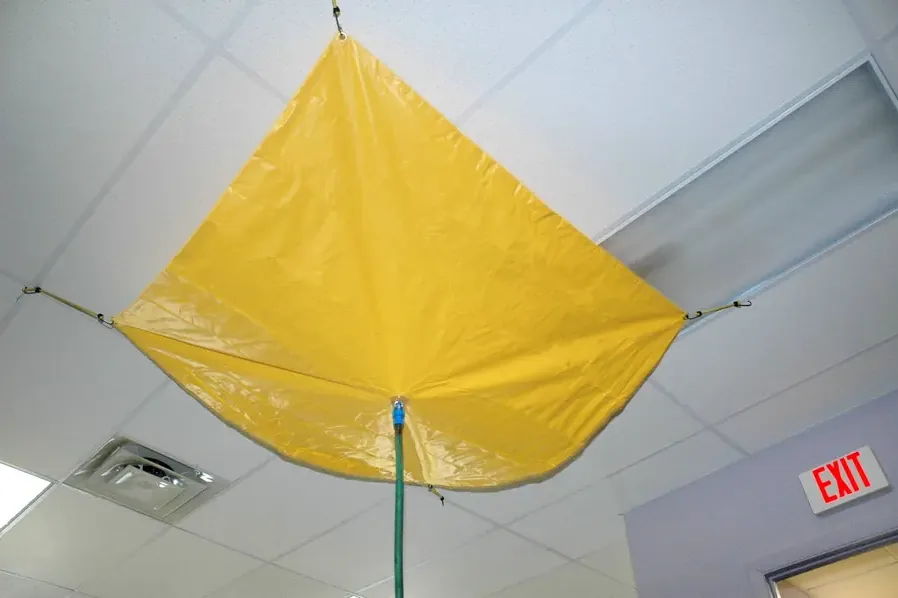
Clear customers and staff from wet areas, cover inventory and electronics with plastic, and move high value items to a dry spot.
Close the building or suite water valve, and ask the property manager about any shared shutoff that controls the affected pipes.
Tell the property manager, the landlord and the insurer early, since commercial leases and policies often set reporting deadlines.
Record the wet areas, damaged inventory and ceiling stains with dates, then call a crew to plan work around opening hours.
Commercial pricing follows the floor area, the number of units affected, the contents at risk and the water category. A single suite is a modest job, while multi floor losses and sewage need much more. The cards show the printed ranges.
For a planning number on your own loss, try the water damage cost calculator. Ranges are typical, not a quote: the water category, the square footage, the material class and how fast drying started move the final figure, which comes from the walkthrough and the moisture map.
The crew surveys the affected suites, protects inventory and equipment, and sets up containment so wet work does not disturb neighboring tenants.
Standing water is pumped, wet ceiling tiles, carpet tile and drywall are removed, and any sewage or Category 3 water is handled separately.
Dehumidifiers and air movers are placed to keep noise and cords out of customer areas, with visits timed for quiet hours when practical.
A scope of work, photos, inventory notes and daily readings go to the owner, landlord and adjuster, and equipment is removed when dry.
Springfield Avenue is the main commercial district in Irvington, and the central business district around the bus terminal was named a state transit village in July 2015. A leak in one space can close a business for days if it is not contained.
Shops, offices and restaurants carry inventory, equipment and customers, so every day closed has a cost. Water also crosses shared walls, ceilings and pipes, so the response has to reach neighboring tenants and the building systems as well.
Portions of the township sit in an Urban Enterprise Zone selected in 1996, and its businesses share the same dense commercial district as the storefronts along Springfield Avenue. Quick, documented response helps every one of them protect stock and keep records for the insurer.
Commercial adjusters look for inventory lists, dated photos, moisture logs and equipment days. A single report that ties them together speeds up the claim process. Losses that start with a pipe break continue on the burst pipe page, and drying details are on the structural drying page.
Commercial crews serve ZIP 07111, including the Springfield Avenue commercial district, the Chancellor Avenue corridor and the Civic Square area, with containment supplies for shops, offices, restaurants and shared buildings.
The same service nearby: commercial water damage in Orange, Millburn, Bloomfield.
Often yes. Crews use barriers, quiet hours and phased work to keep customers away from wet areas and equipment. Sewage may need a temporary closure of that space.
The property manager and landlord should hear early, along with the insurer. Commercial leases and policies often set reporting deadlines, and shared pipes may affect neighboring tenants.
Stock and electronics are lifted, covered with plastic or moved to dry areas before extraction starts. Photos and a written list of damaged items support the inventory part of the claim.
Larger floor areas and dense building materials add time, but the method is the same: moisture mapping, air movers and dehumidifiers, with daily readings until every material matches its dry reference.
Category 3 water is contained and removed with protective gear and disinfected before drying starts. Affected areas stay closed to the public until clearance readings are complete.
Some commercial policies include business interruption coverage for closures caused by a covered loss. Only the policy wording and the insurer can confirm it, so the dates and the work scope are recorded carefully.
Describe the space, the tenants affected and the opening hours, and the crew plans containment, extraction and drying around them.