Water service in Irvington comes from New Jersey American Water, and most properties have an interior shutoff valve that stops a burst pipe at its source. Closing it fast is the best way to limit the damage that follows.
What a burst pipe really does
A pressurized supply pipe can release gallons every minute, and the water does not stay put. It runs along joists, down through wall cavities and into the ceiling below, often hiding behind finished surfaces for days. A damp patch or the faint sound of running water inside a wall are the usual early signs.
- The break is photographed, then a plumber repairs the pipe while the crew handles extraction and drying.
- Moisture mapping marks the wet zone so no damp cavity is left behind a finished wall.
- Ceilings that hold water are drained in a controlled way before they fall.
- Wet materials that cannot dry in place are cut out in clean, straight sections for easy repair.
Winter and plumbing stress
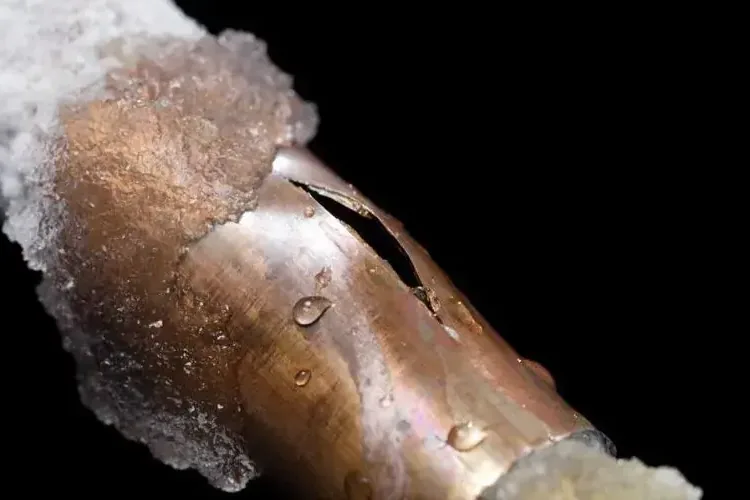
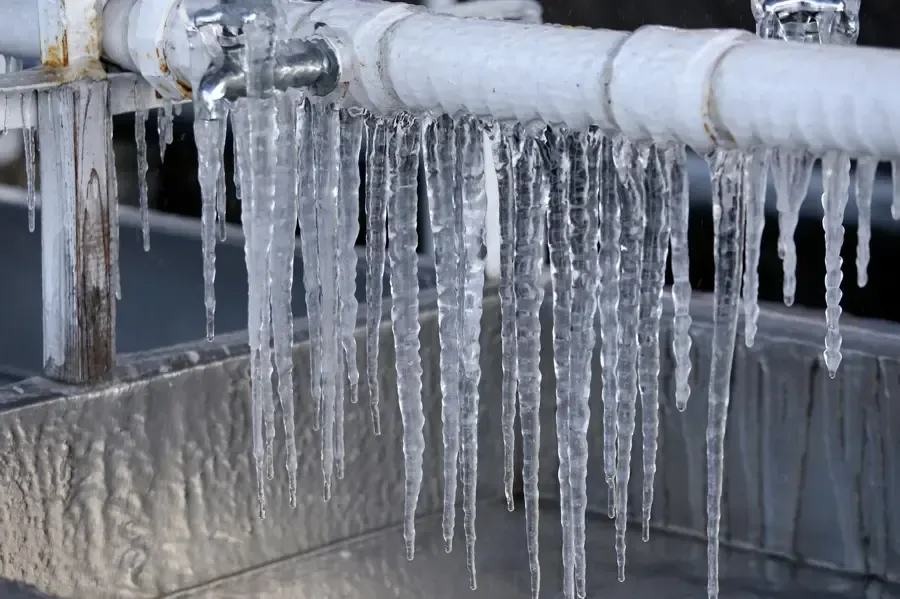
Northern New Jersey winters bring hard freezes, and a split pipe is one of the most common results. When the break was caused by ice, the frozen pipe page covers the thaw, which often releases water suddenly after the pipe warms.
From leak to dry structure
Once the pipe is repaired and the water is out, the job becomes a drying project. Equipment runs for several days while readings fall, and the sequence follows the structural drying standards used for any wet building. A moisture record from the first visit to the last helps the claim move forward.