How do crews know when a building is dry?
Moisture meters compare each material with a dry reference reading taken from an unaffected area. The job is finished only when every wet material matches that reference, not when the surface feels dry.
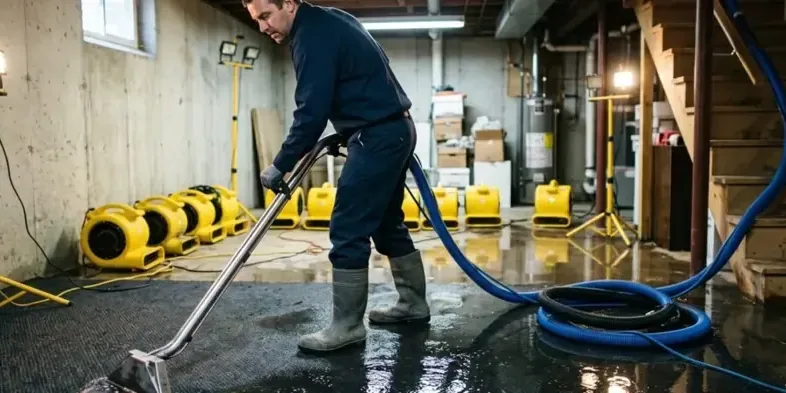
In a densely built township, drying often has to reach beyond the first wet room. Moisture mapping, air movers and dehumidifiers dry floors, walls and ceilings to a measured target, so repairs can begin.
(888) 471-9821Plan the building dry out
Drying cannot work while water keeps entering, so the leak, backup or storm opening must be stopped or covered.
Do not paint, seal or cover wet drywall, flooring or trim, because covering them traps moisture and slows the dry out.
Close windows and doors in the wet area so the dehumidifiers work on the moisture already inside, not humid air from outside.
Once machines are placed from the readings, leave them running and untouched, because moving them breaks the planned airflow.
Drying is priced by the number of rooms, the volume of wet material and the equipment days needed. Dense materials such as plaster, hardwood and masonry take the longest. Larger losses need more machines. The cards show the printed ranges.
For a planning number on your own loss, try the water damage cost calculator. Ranges are typical, not a quote: the water category, the square footage, the material class and how fast drying started move the final figure, which comes from the walkthrough and the moisture map.
Meters and thermal imaging mark the wet boundary on floors, walls and ceilings, and baseline readings are taken from unaffected areas for comparison.
Temperature and humidity are measured, then air movers, dehumidifiers and any drying mats are placed to drive moisture out of each material.
Readings are retaken daily, machines are moved or removed as areas dry, and the plan is adjusted for the slowest materials in each room.
The job ends only when each material matches its dry reference, and the readings, photos and equipment log are put into the claim file.
Removing the standing water is only half of a water loss. The moisture left in framing, plaster, hardwood and masonry can stay for weeks, and in a densely built township like Irvington it can travel into adjoining spaces before anyone sees a stain.
Air movers push dry air across surfaces, while dehumidifiers pull moisture out of the air so it can keep absorbing more. The balance matters: too little airflow leaves pockets of dampness, and too much humidity slows everything down. A written plan keeps the work measurable. Readings from every wet room are charted so the whole building reaches its goal together.
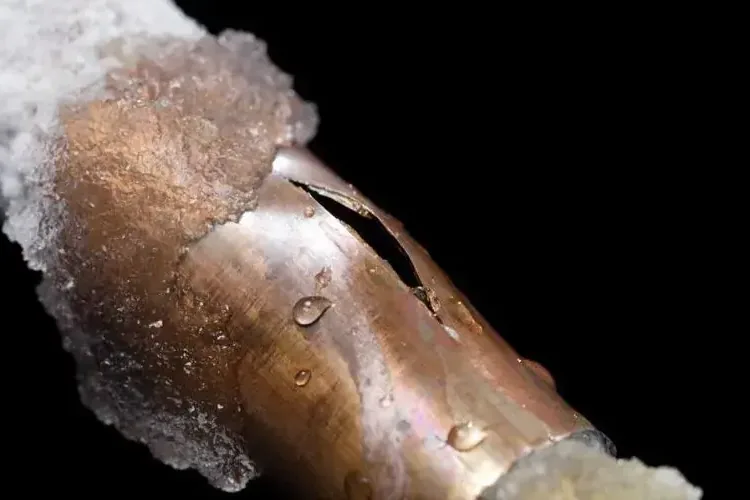
In closely built blocks, water often moves past the first wet room into adjoining walls and ceilings. Drying plans therefore cover more rooms than the visible damage suggests, and readings define where the machines must reach. After a split pipe, the burst pipe page describes the earlier steps.
A job ends when materials match their dry reference, not when the surface feels dry. The final record lists readings, equipment days and removed materials, which an adjuster can compare against the claim. For the first stage, see water extraction.
Drying crews serve ZIP 07111, including Irving Place, the Chancellor Avenue corridor and the Springfield Avenue commercial district, with meters, thermal imaging and dehumidifiers on every visit, including larger multi room losses.
The same service nearby: structural drying and dehumidification in Orange, Millburn, Bloomfield.
Moisture meters compare each material with a dry reference reading taken from an unaffected area. The job is finished only when every wet material matches that reference, not when the surface feels dry.
Fans move water from materials into the air, but that air quickly becomes humid. Dehumidifiers remove the moisture from the air so the materials can keep releasing water instead of stalling.
Yes. Drying equipment is designed for continuous use, though it uses power and makes noise. Crews place cords and machines to avoid trip hazards, and explain which breakers the equipment needs.
Dense materials such as plaster, hardwood, concrete and masonry release moisture slowly. Thin drywall and carpet dry quickly by comparison, so the plan adjusts for the slowest material in each room.
Prompt drying keeps wood from swelling, plaster from cracking and insulation from staying damp inside walls. Leaving moisture in place lets damage grow for weeks, and some of it cannot be reversed.
Many claims include drying equipment time when the loss itself is covered. The equipment log and daily readings show how many days were needed, which lets the adjuster verify the charge.
Usually yes, though the equipment is loud and the wet area is closed off. Anyone with breathing concerns or pets may prefer to stay elsewhere until the readings show the structure is dry.
Describe what got wet and for how long, and the crew maps the moisture and builds a drying plan from the readings.