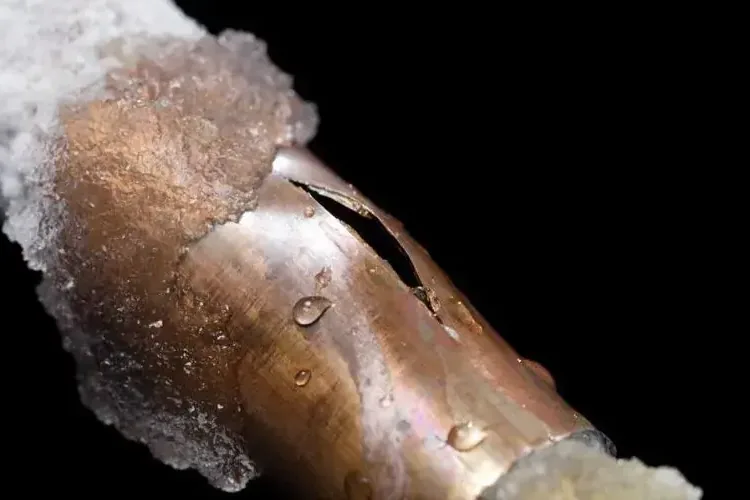


Why do frozen pipes leak after they thaw?
Ice inside the pipe expands and splits it, but the ice also plugs the split. When it melts, water flows through the crack at full pressure, which is why the leak often starts hours later.
When a frozen pipe splits and thaws in an Orange house, the restoration team extracts the water, traces it through the exterior wall or ceiling where the pipe froze and dries the cavity before the next cold snap.
(888) 471-9821Thawed pipe leaking? Call now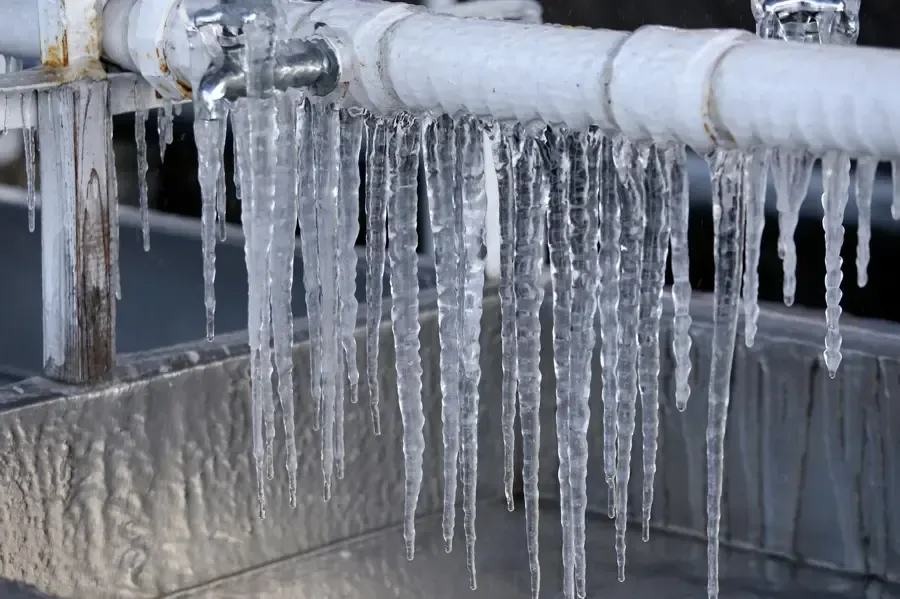
A split pipe often leaks only once the ice melts, so close the main shut-off as soon as a break is suspected.
Use a hair dryer or warm towels on exposed pipe, and never an open flame or a torch near framing.
Let house heat reach sink pipes on exterior walls while the rest of the system is checked.
Take timestamped photos of the split, the wet wall or ceiling and the floor below before anything is moved.
Frozen pipe water damage cleanup here typically costs $1,200 to $20,000 or more. A split pipe under a kitchen sink caught at the thaw sits at the low end; a break in a second-floor exterior wall that ran into the rooms below sits at the high end.
For a planning number on your own loss, try the water damage cost calculator. Ranges are typical, not a quote: the water category, the square footage, the material class and how fast drying started move the final figure, which comes from the walkthrough and the moisture map.
The tech who does the walkthrough confirms the main is closed and checks for water near outlets and fixtures on the cold wall.
Thermal imaging and moisture meters follow the water from the split, down the exterior wall cavity and into the ceiling or floor below.
Wet insulation is pulled from the exterior wall and only the plaster or drywall needed to reach it is removed, giving the plumber access too.
Air movers and dehumidifiers dry the framing and sheathing, and readings confirm the cavity is dry before new insulation goes back in.
New Jersey winters bring cold snaps hard enough to freeze water inside pipes that sit near the outside of a building. Ice expands, the pipe splits, and the leak usually starts when the pipe thaws, often hours later and sometimes after everyone has left for the day.
Water from a frozen pipe runs down the inside of the exterior wall, soaking insulation that cannot dry in place. The restoration team removes wet insulation, dries the framing and sheathing, and only then closes the wall back up. Closing a wet wall traps moisture against framing and sets up the 24 to 48 hour growth window.
Ready.gov's winter weather page covers keeping pipes from freezing, and the National Weather Service cold safety page explains the cold alerts worth watching. When a pipe fails without a freeze, see burst pipe water damage.
Frozen pipe calls bunch up after the first hard cold snap of the winter and again during the thaw, when breaks that froze overnight start leaking all at once across Essex County. Shutting the main as soon as a split is suspected keeps a winter break from becoming a two-floor loss.
The restoration team covers ZIP 07050 and 07051, from Main Street and the Orange station area out along Central Avenue, Scotland Road and Highland Avenue to the blocks near the East Branch of the Rahway River.
Nearby coverage reaches East Orange, West Orange, South Orange, Glen Ridge, Montclair.
Ice inside the pipe expands and splits it, but the ice also plugs the split. When it melts, water flows through the crack at full pressure, which is why the leak often starts hours later.
Shut the main water valve, open the faucet on that pipe, warm the area with a hair dryer or space heater kept clear of anything that burns, and watch for leaks as it thaws.
Usually yes. Fiberglass and cellulose insulation soaked by a frozen pipe leak hold water against the framing, so they are removed and replaced once the wall is dry.
Many policies cover sudden water damage from a frozen pipe, but some exclude it if the home was left without heat. Coverage depends on your policy, so check with your insurer.
Usually three to five days for one wall caught early, longer if water reached ceilings, hardwood or a second floor. Readings decide when the equipment comes out.
Yes. A split inside a wall or ceiling can leak for some time before a stain shows. Thermal imaging and moisture meters find water hidden in the cavity.
A thawing split keeps leaking inside the wall. Shut the main, then get the cavity opened and dried.