Category 1
Clean water from a supply pipe, a tank or rain, safe at first but able to turn worse the longer it sits.
Burst pipes, backed-up drains, storm water and leaking ceilings get pulled out and dried here by trained crews, with moisture readings taken on every wet surface until the drying goal is met.
(888) 471-9821Talk to a water crew now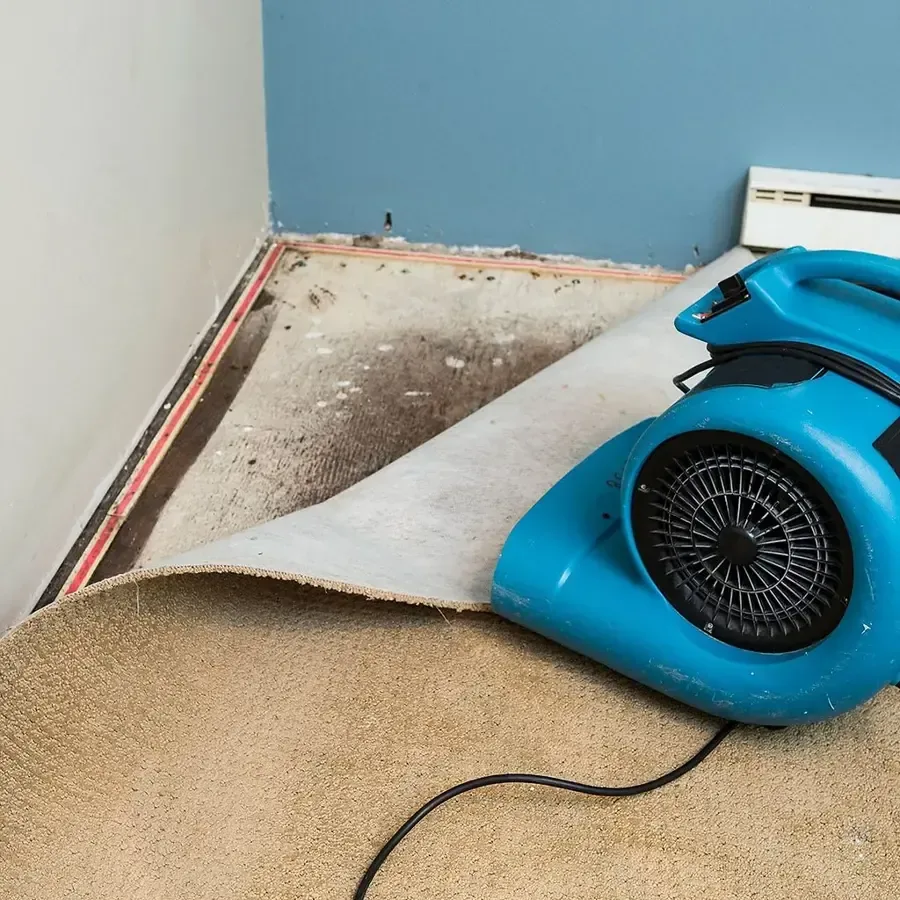
Ice, rain or a broken pipe Cold winters and about 44 inches of rain a year keep township homes at risk from leaks, flooding and failed pumps.
Valley rainfall, hard winters and aging plumbing set the pattern, and these three problems bring in most emergency calls.
Heavy rain and nor'easters send water into low rooms and garages, and it spreads across floors before anyone can stop it.
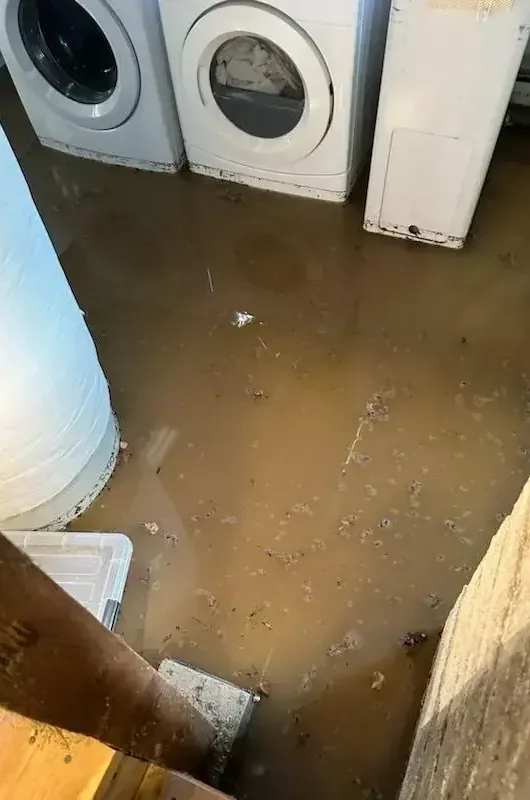
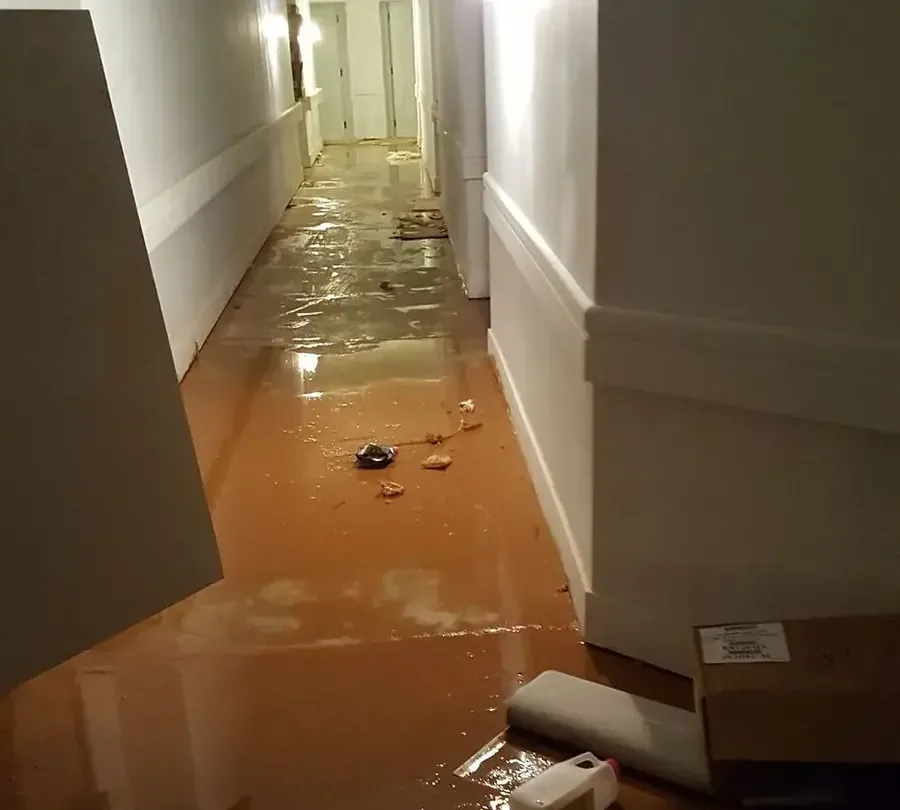
Storm flood cleanup optionsA backed-up drain pushes contaminated water onto floors, and anything it touches needs protective gear, careful removal and thorough disinfecting.
Sewage backup cleanup detailsJanuary lows reach the lower 20s F, so a split pipe can soak walls and ceilings overnight while the household sleeps.
Burst pipe water responseEvery water problem a house, condo or storefront can have is covered here, from the first pump-out to the final moisture check.
 Water Extraction and RemovalPumps and wands pull standing water off floors before it soaks into subfloors and walls.Details
 Basement Flooding CleanupLower levels that took on rainwater are emptied, cleaned and dried before drywall suffers.Details
 Sewage Backup CleanupContaminated backup water is removed with protective gear, then every touched surface is cleaned and disinfected.Details
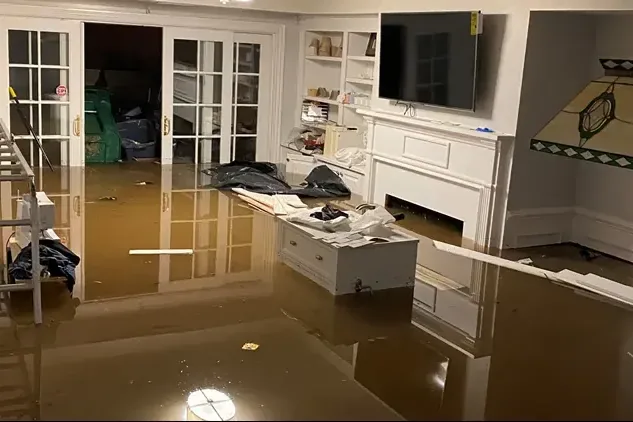 Storm and Flash Flood CleanupRain and nor'easter water is pumped out and soaked materials are sorted for drying or removal.Details
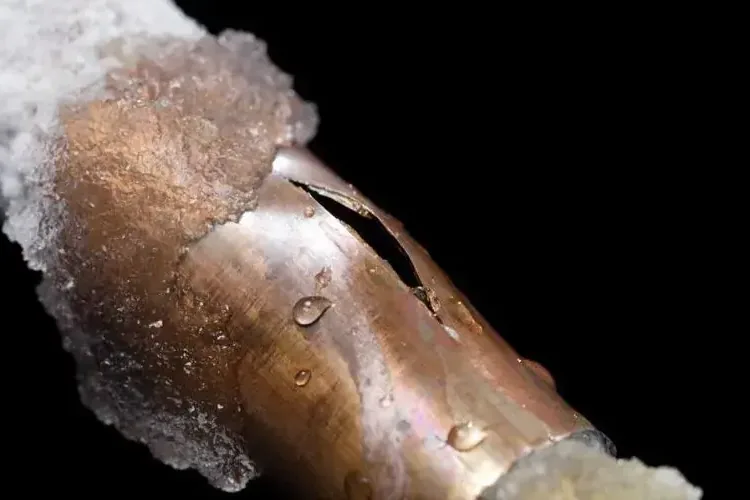 Burst Pipe Water DamageBurst pipe water is traced through walls and ceilings and dried along its full path.Details
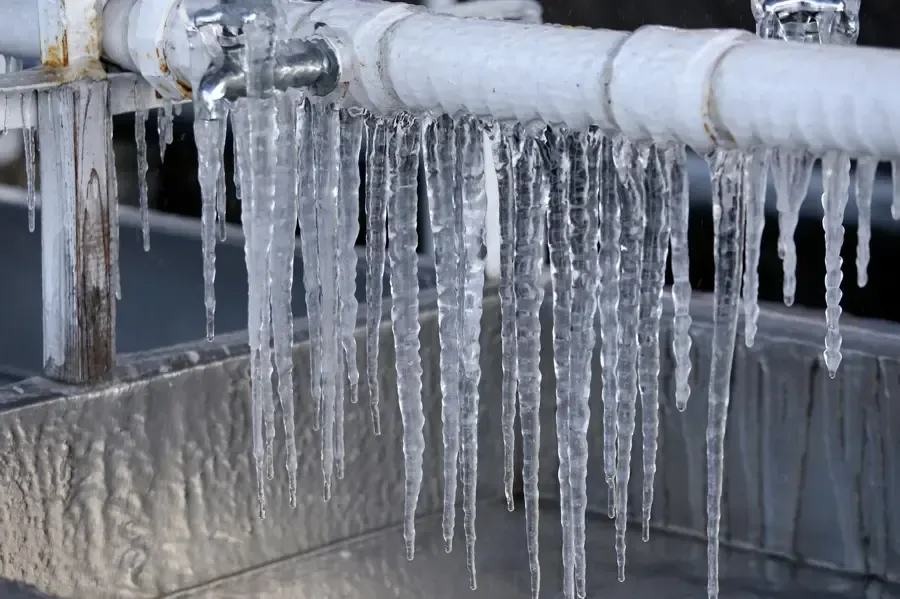 Frozen Pipe Water DamageIce-split pipes leak hidden water once the thaw comes, so walls and floors are checked and dried.Details
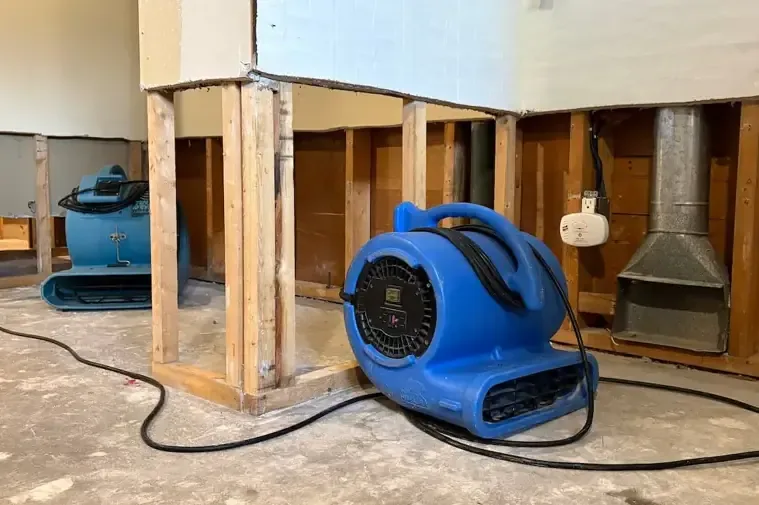 Radiator and Boiler LeaksLeaking radiators and boilers soak floors and the ceilings below, so every wet layer gets dried.Details
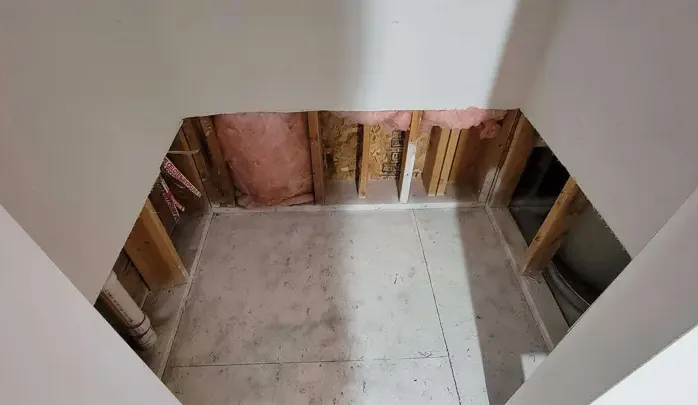
 Ceiling Leak Water DamageStained or sagging ceilings are opened where needed and the wet insulation is dried or removed.Details
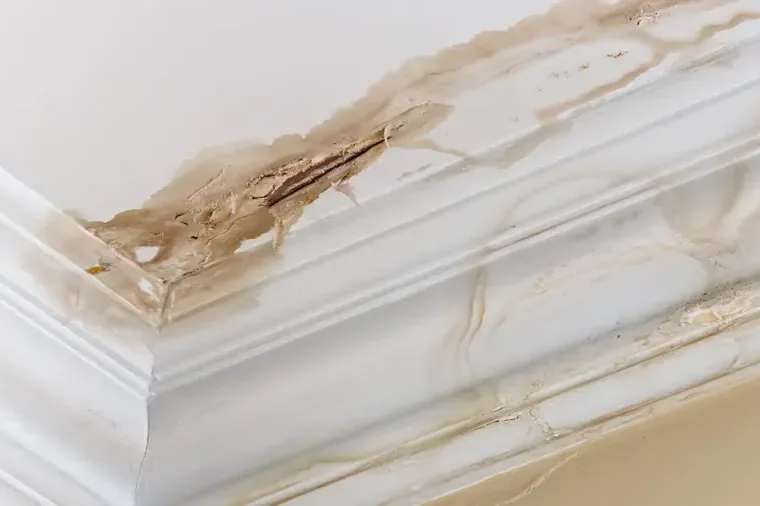 Roof Leak Water DamageRain or snowmelt that gets through the roof is tracked into attic and ceiling and dried.Details
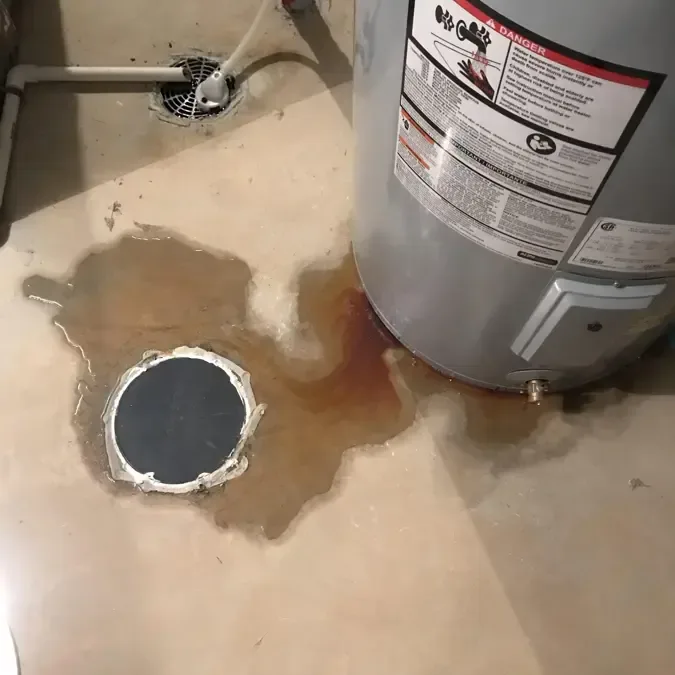
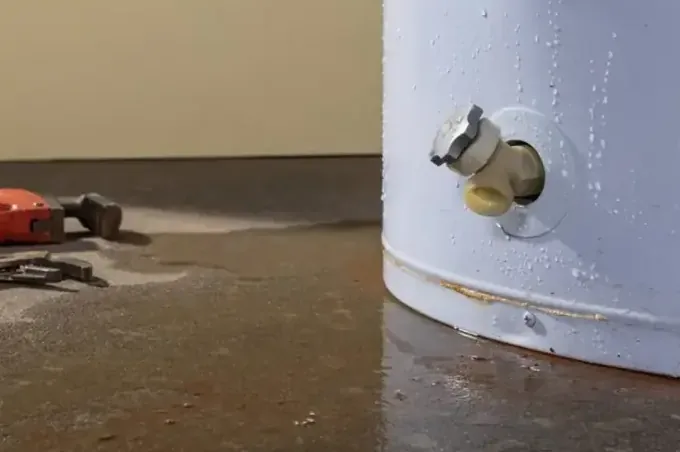 Water Heater Leak CleanupA leaking or burst tank floods floors quickly, so the water is removed and neighbors checked.Details
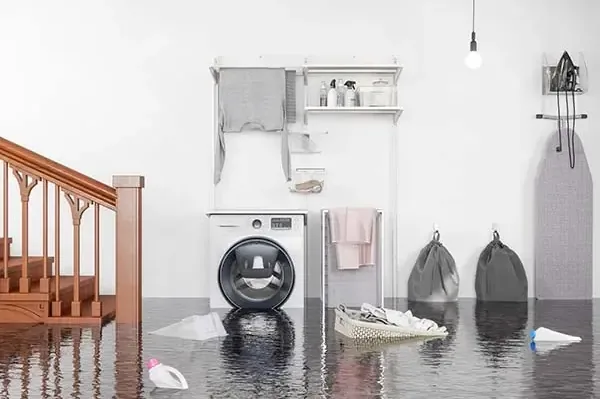 Washer and Appliance LeaksWasher, dishwasher and fridge leaks are dried from the floor up, including cabinets and rooms below.Details
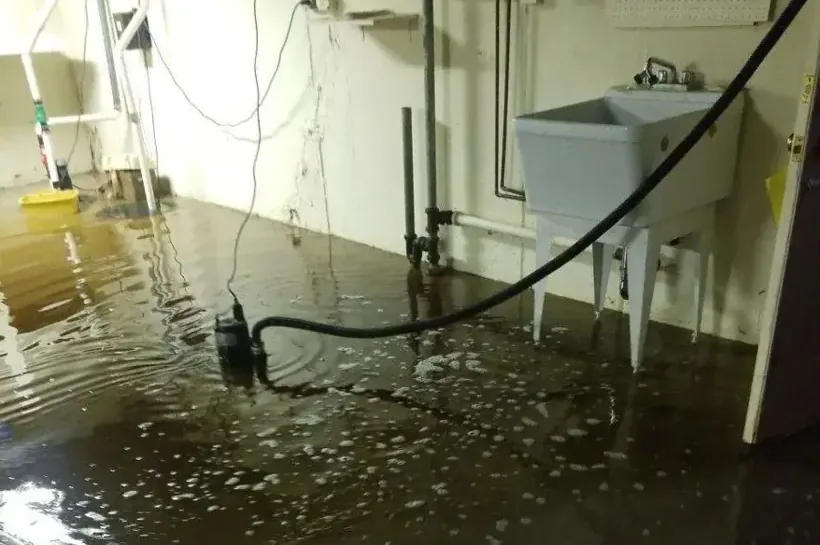 Sump Pump Failure CleanupWhen a pump quits in heavy rain, the water is extracted and the whole lower level is dried.Details
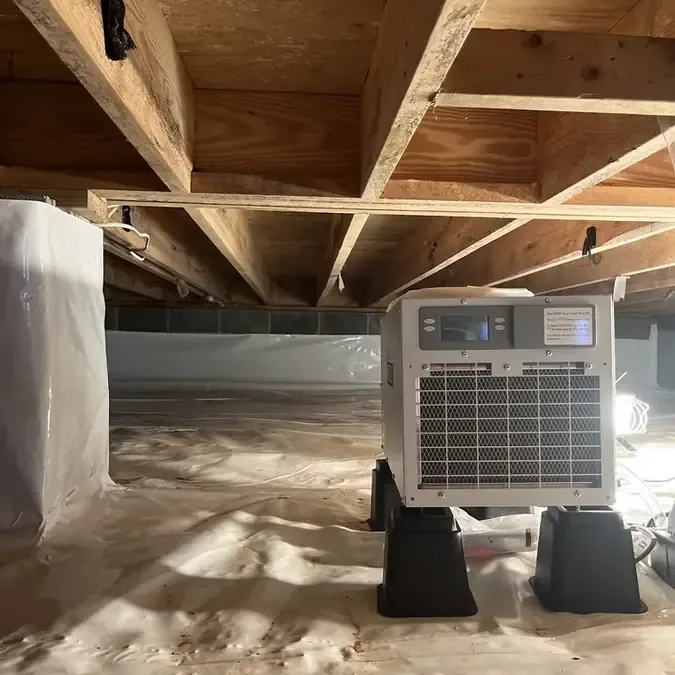
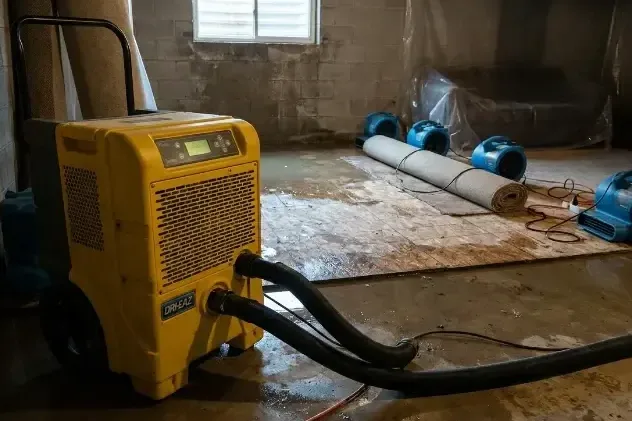
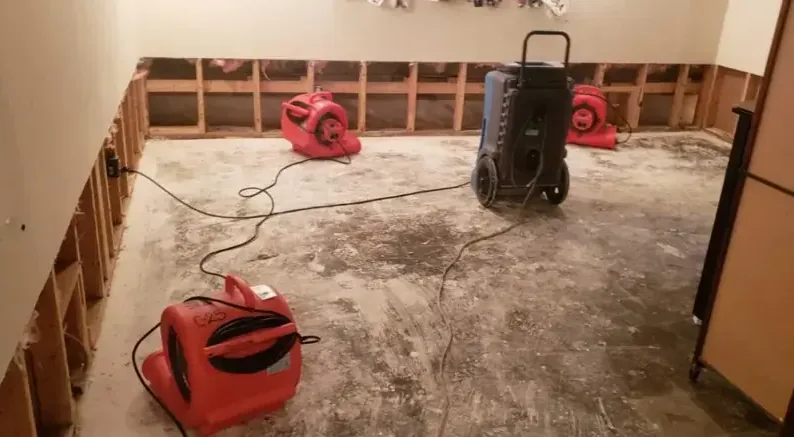
 Structural Drying and DehumidificationDehumidifiers and air movers dry framing, subfloors and plaster until readings reach the dry standard.Details
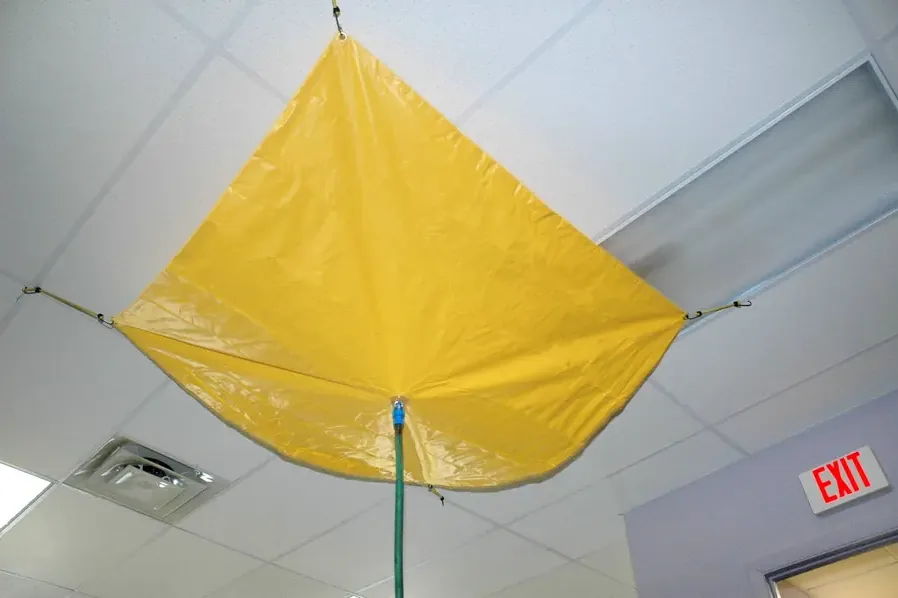 Commercial Water DamageShops, offices and apartment buildings get water removal and drying planned around keeping the business running.Details Water in the house right now?Call now, describe the water in your own words, and a coordinator will route the right crew to the property. (888) 471-9821Estimate your drying costsEnter the room size and water type to see a rough range before you call.Open the calculator
Keep out of standing water near outlets, cords or appliances until the power is off at the panel, and keep children and pets clear.
Close the main shutoff or the appliance valve if you can reach it safely, so nothing new keeps flowing in.
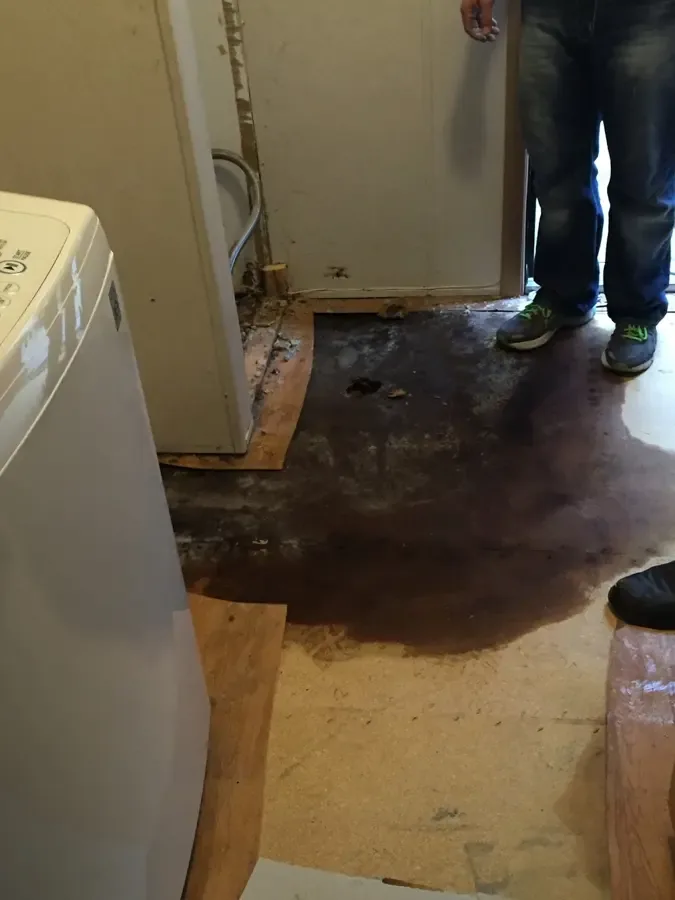
Take wide and close photos of the water, damaged belongings and the source before anything is moved, since adjusters rely on them.
Move small furniture, rugs and papers to dry ground, and leave heavy items for the crew.
Calling early matters, because wet drywall, insulation and wood begin to break down within the 24 to 48 hour window.
This township in Essex County sits in a valley between the First and Second Watchung Mountains, with the Peckman River running along the valley bottom. Homes range from single-family houses to townhomes, condos and garden-style communities.
That mix means a leak in one unit can reach a neighbor's ceiling, so the crew documents moisture in every affected space and dries each structure until readings return to normal.
See what a dry-out involvesCrews are dispatched at any hour, with pumps and drying gear loaded for the common losses here.
Drying follows the S500 method, so progress is measured by readings, not by how dry a wall feels.
Photos, moisture logs and equipment records are saved for the adjuster from the first visit.
The crew handles water and sewage only, so every tool and process is built for wet structures.
Each job follows four stages, and none is skipped just because a surface looks dry.
Pumps and wands remove standing water first, because every gallon left behind has to be evaporated later.
Moisture meters and a thermal camera trace water through walls, floors and ceilings, and the readings set the plan.
Air movers and dehumidifiers run together to pull moisture out of materials and out of the air, with checks each visit.
Final readings must match the dry standard for each material before equipment leaves or any rebuilding starts, and the results are recorded.
Equipment typically runs for several days, and dense materials such as plaster and hardwood can need more time to dry than drywall and carpet.
Water is graded by contamination level, and the grade decides the protective gear, the removal plan and the cost.
Clean water from a supply pipe, a tank or rain, safe at first but able to turn worse the longer it sits.
Gray water from washers, dishwashers or an overflowing fixture carries bacteria and needs careful removal of porous materials.
Black water such as sewage or river flooding is grossly contaminated, so porous materials are removed and everything else is disinfected.
Sewage backup cleanupCost depends on how much water there is, how many rooms it reached, how long it sat and whether it is clean, gray or black water. The tiers below show the usual ranges. A crew prices the work after an on-site moisture survey, since hidden wetness behind walls changes the scope.
Ranges are estimates; the written scope after inspection sets the real number, and the policy decides what the insurer pays.
Adjusters want proof of the loss, and the crew builds that record while the work is happening.
Wide and close images show the water, the source and each damaged room before cleanup begins.
Readings are taken at the start and every visit, proving the structure reached the dry standard.
A written list of affected rooms and materials supports the estimate the insurer examines.
Placement and run time of dryers and dehumidifiers are logged for each day of drying.
Homeowners can help by keeping receipts for emergency purchases, saving damaged items for the adjuster to see and writing down when the loss was first noticed. Policies differ widely, so the claim itself stays between the owner and the insurance company.
ZIP code 07044 covers the township, and crews reach Hillcrest, Verona Lake and the Bloomfield Avenue corridor as readily as any other street.
Whether the leak is in a condo near Bloomfield Avenue or a house by the park, one call starts the dispatch and a coordinator walks through the next steps.
Several local conditions raise the odds of a wet emergency here, and each one calls for a slightly different response.
Right away. Wet drywall, insulation and wood start to deteriorate during the first 24 to 48 hours, so an early call limits how much has to be removed. Water also keeps traveling through framing, so waiting rarely helps.
Standing water is extracted, wet materials are removed where needed, and air movers and dehumidifiers run for several days while moisture readings are logged until each material reaches its dry goal.
The crew documents the loss with photos, moisture logs and a written scope, which adjusters commonly examine. Coverage decisions stay with the insurer, so the paperwork simply makes the claim easier to support.
Yes. Sewage is Category 3 water, so crews wear protective gear, remove porous materials such as carpet and drywall that it touched, and disinfect what remains. Non-porous items are cleaned and kept.
They can. January lows reach the lower 20s F, and frozen pipes split without warning, then release water once the temperature rises. Keeping cabinet doors open and letting a tap drip on the coldest nights helps.
Porous items that sat in contaminated water, such as carpet pads, upholstered furniture and wet drywall, usually go. Solid wood, metal and glass can often be cleaned and saved, so photograph everything before discarding.
Yes. In shared buildings, water often crosses walls and floors into neighboring units, so moisture is checked in adjoining spaces and the building manager is kept informed of the findings.
The pump itself is a plumber's job, but the crew removes the water, dries the lower level and records the damage so the claim reflects what the failure caused.
Businesses need drying planned around operations, often in phases, with moisture records that support business interruption claims. Bloomfield Avenue shops, restaurants and other businesses fit that pattern.
Phone any time, day or night, and a coordinator collects the details, sends the nearest crew and explains what to do while they travel.
Call any hour and a coordinator will send a crew and explain each step before the work begins.