Clean water
A burst supply pipe, a water heater tank or a radiator supply. Often dried in place when the work starts early.
24/7 water damage restoration in Orange, NJ. The restoration team extracts standing water, dries the structure to the IICRC S500 standard and documents every step for your insurance claim.
(888) 471-9821Get water out of the cellar tonight
Built for an old industrial city. Cellars, steam and hot-water heat, plaster walls and stacked apartments change how water moves, and how it gets dried.
The three water losses that come up most in older Orange homes, each its own kind of job.
Below-grade rooms take water through walls, window wells and the floor at once, so the extraction crew pumps first and maps moisture before anything is torn out.
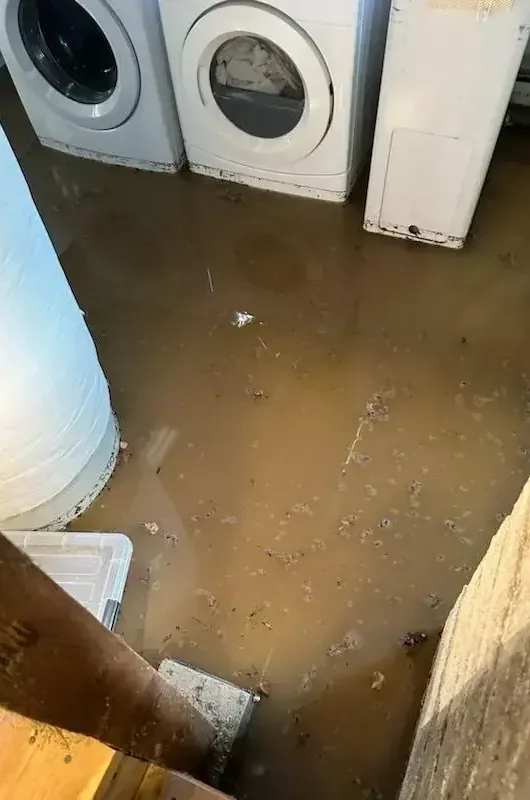
Basement flooding cleanupWhen the sewer surcharges in a cloudburst, it comes up the lowest drain. Containment and an EPA-registered antimicrobial come before any drying.
Sewage backup cleanupOlder hot-water and steam heat leaks slowly at valves and vents. Drying mats and daily readings often save hardwood that looks ruined.
Radiator and boiler leaksWater and sewage only, from the first pump-out in the cellar to the last moisture reading on the top floor.
 Water Extraction and RemovalStanding water pulled out fast with truck-mounted units, the first move on any loss from cellar to attic.Details
 Basement Flooding CleanupCellars and finished basements flooded by storms or seepage, pumped out, cleaned and dried.Details
 Sewage Backup CleanupCategory 3 backflow through floor drains and toilets, contained, removed and treated.Details
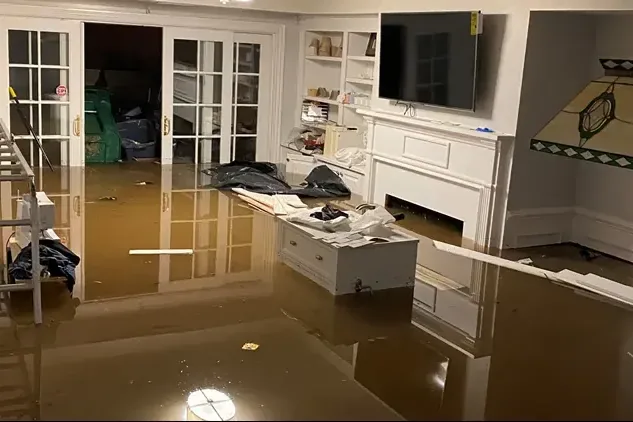 Storm and Flash Flood CleanupCloudburst runoff through doors, window wells and garages, extracted and dried as contaminated water.Details
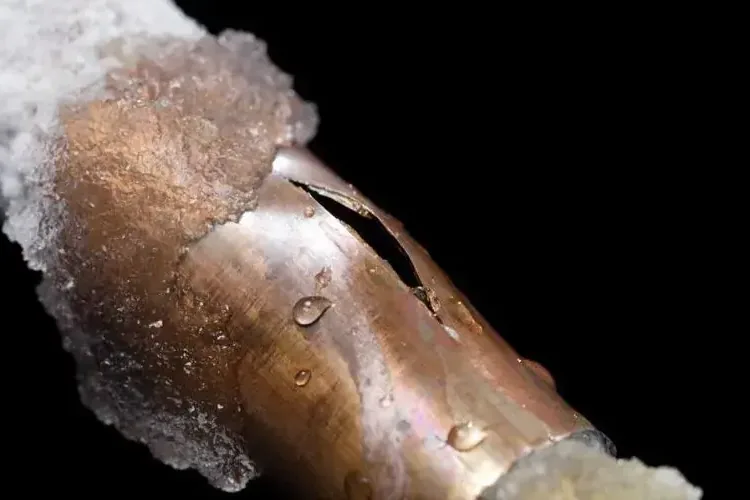 Burst Pipe Water DamageSplit supply pipes inside walls and ceilings, traced, extracted and dried from the inside.Details
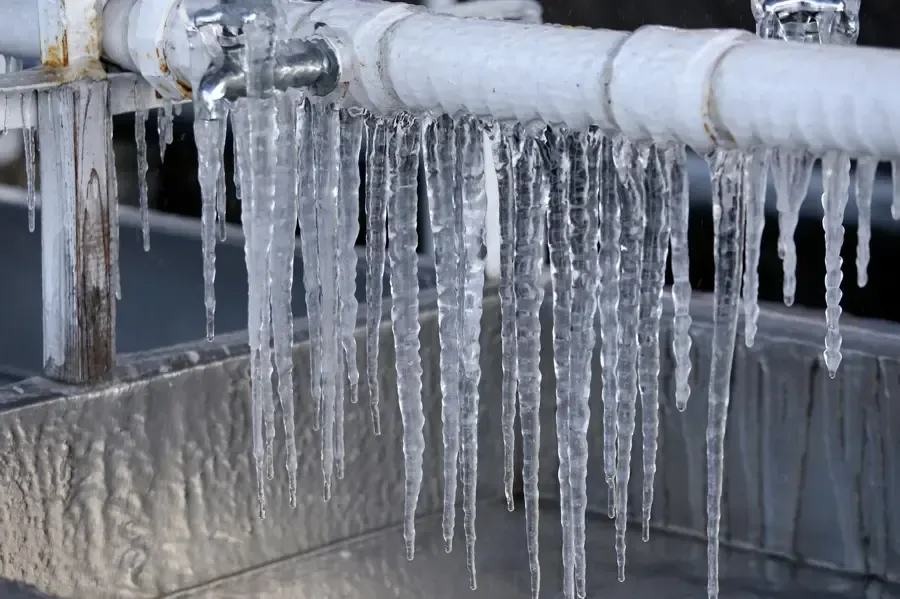 Frozen Pipe Water DamageWinter breaks in exterior walls, porches and unheated rooms, dried before the thaw spreads them.Details
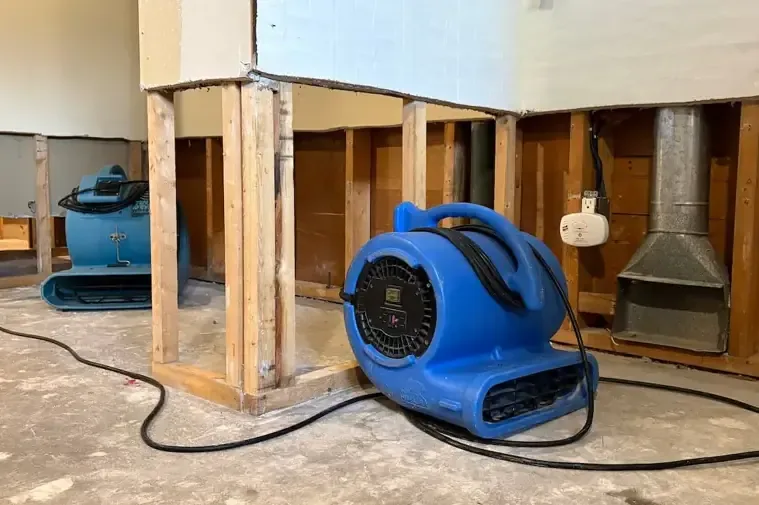 Radiator and Boiler LeaksHot-water and steam heat leaks under radiators and around boilers, extracted and dried.Details
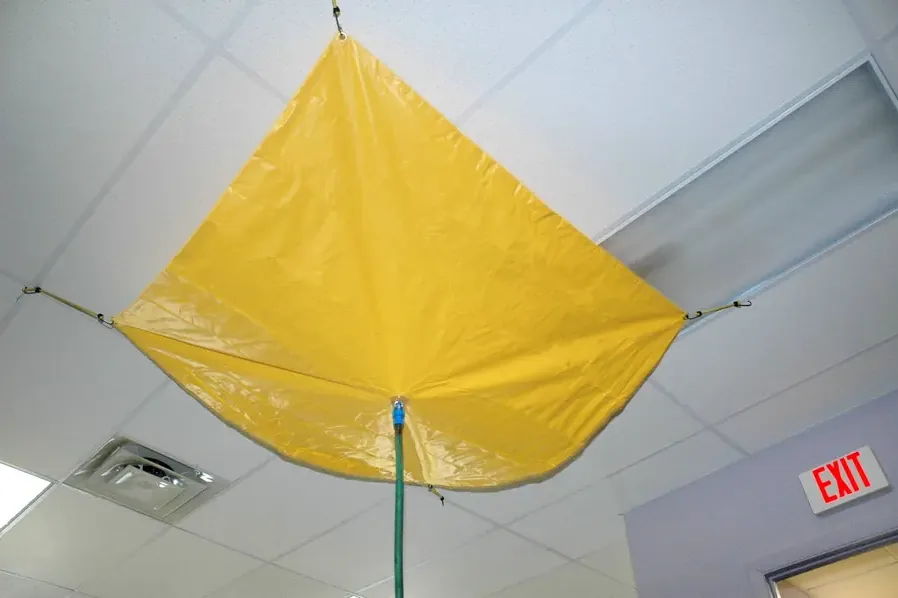
 Ceiling Leak Water DamageWater through plaster from the bath or apartment above, found, opened safely and dried.Details
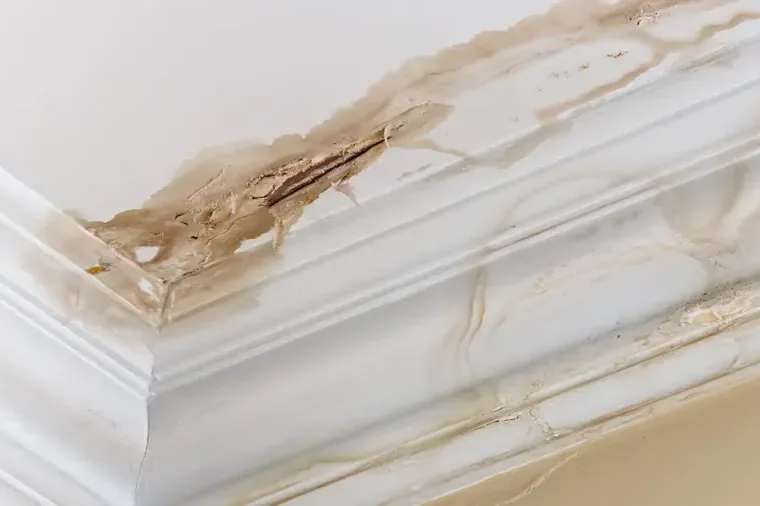 Roof Leak Water DamageFlashing, flat-roof and ice-dam leaks into attics and top floors, insulation pulled, ceilings dried.Details
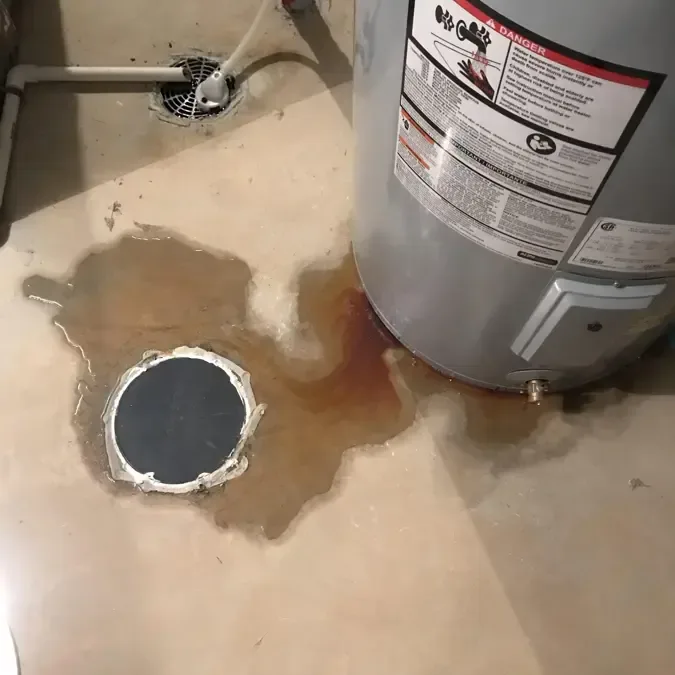
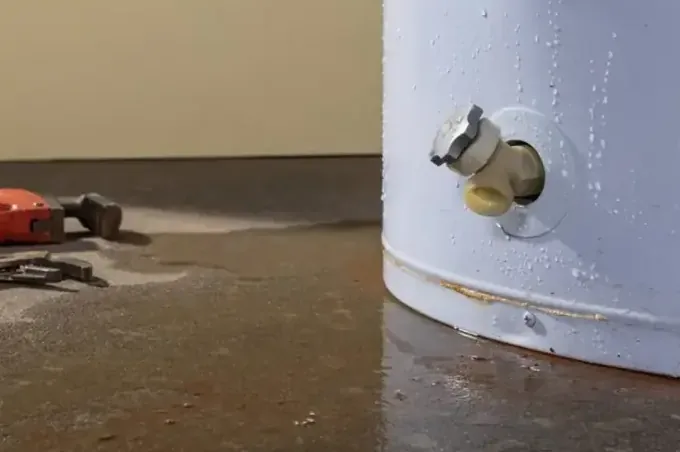 Water Heater Leak CleanupTank and relief valve failures in cellars and closets, extracted before stored boxes soak.Details
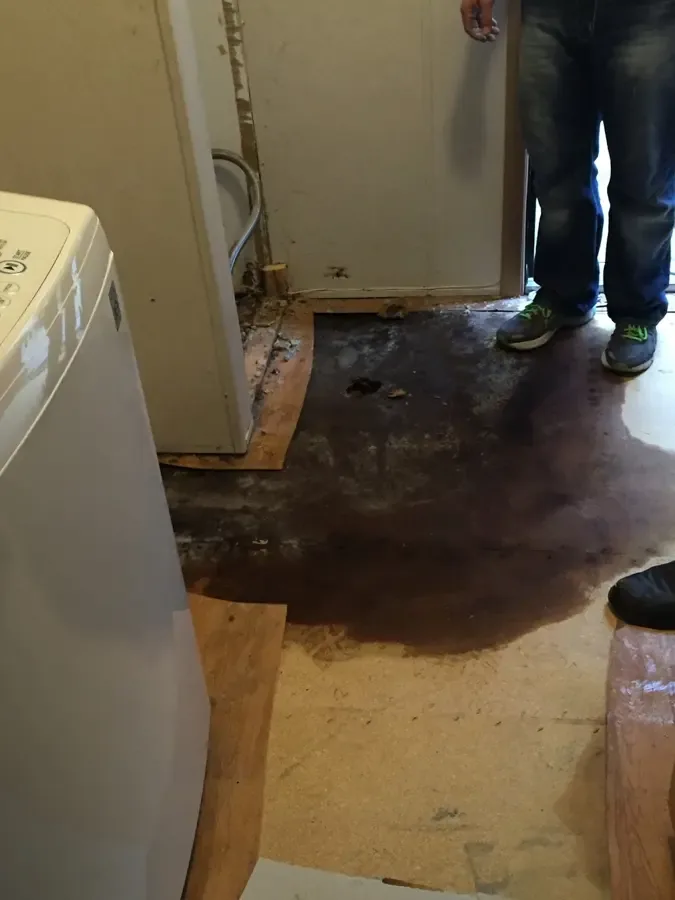
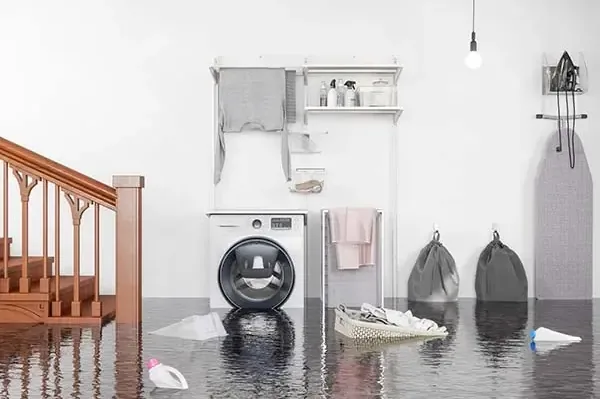 Washer and Appliance LeaksWasher hoses, dishwasher lines and ice makers that let go, cleaned up and dried.Details
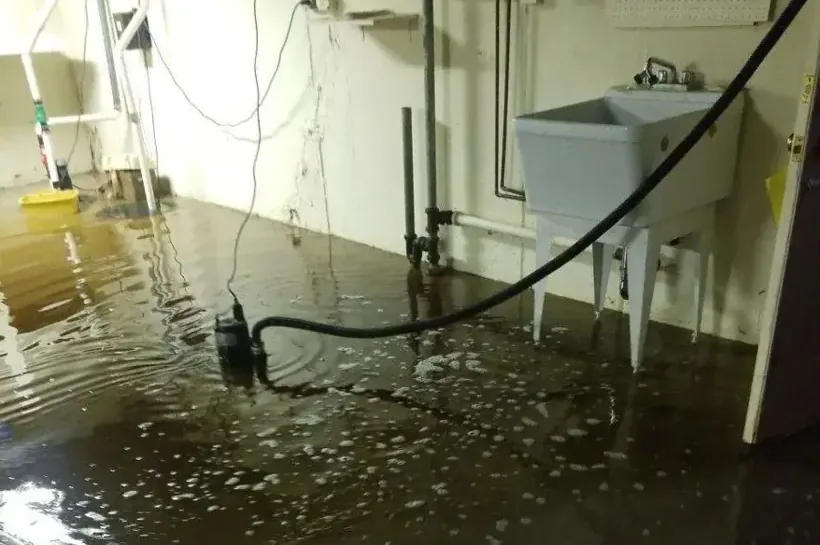 Sump Pump Failure CleanupBasements flooded by a dead, stuck or overwhelmed sump pump, pumped out and dried.Details
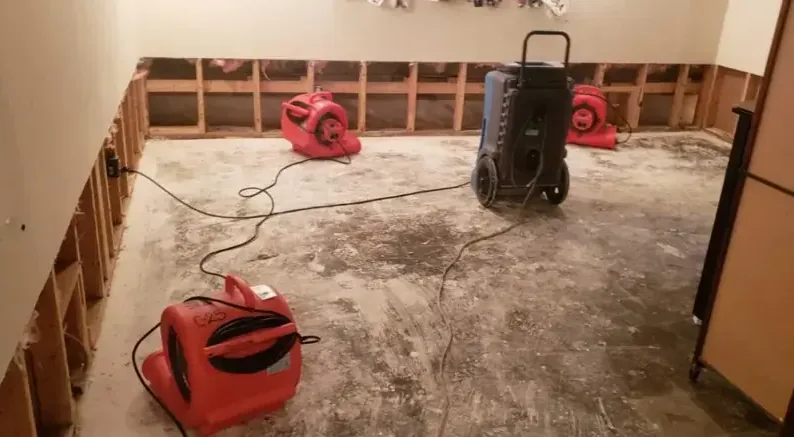
 Structural Drying and DehumidificationPlaster, framing, subfloor, hardwood and brick dried to verified readings, not a guess.Details
 Commercial Water DamageStorefronts, offices, churches and apartment buildings dried in phases to stay open.Details Not sure which one it is?Describe what you see and where the water came from. The restoration team sorts out the category and the scope. (888) 471-9821Price it before you callThe water damage cost calculator gives a planning range by area, water type, spread and materials.Open the calculator
Usually in the cellar near where the service pipe comes through the front wall; in an apartment building, call the landlord or super.
Only if the breaker panel sits in a dry spot. If the panel or the floor in front of it is wet, leave it alone.
Water near outlets can carry current, and anything that came up a floor drain is sewage.
The waterline, the source and every wet room, with the timestamp on.
Rugs, cardboard and electronics off the floor, then call while the water is still on the surface.
Water behaves differently in the older buildings here: it runs along plaster walls, drops through ceilings into the apartment below and comes up cellar drains when the sewer is full.
The restoration team works ZIP 07050 and 07051 around the clock, anywhere from Scotland Road and Highland Avenue to Central Avenue and Main Street, from single-family houses to apartment buildings and storefronts, and dries every job to the IICRC S500 standard.
How the work is doneThe response team covers both ZIP codes day and night, so extraction starts before water soaks into plaster and subfloor.
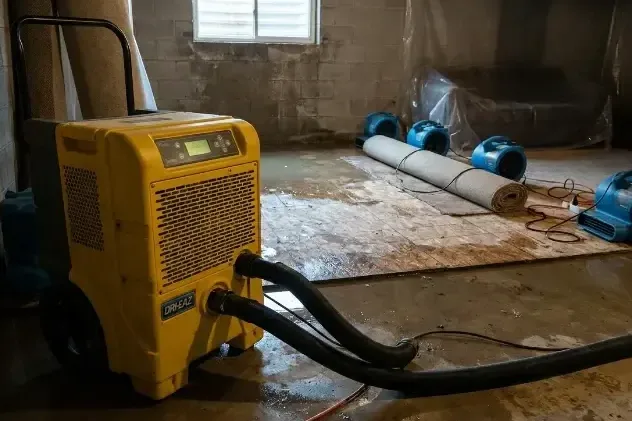
Structural drying, not just surface drying: moisture mapping first, then equipment sized to each room.
Timestamped photos before demolition, the moisture map and daily psychrometric logs for the adjuster.
Cellars, sump pumps, radiators and shared ceilings are everyday work in this city, not exceptions.
What separates a finished dry-out from a cosmetic one is the order of the work.
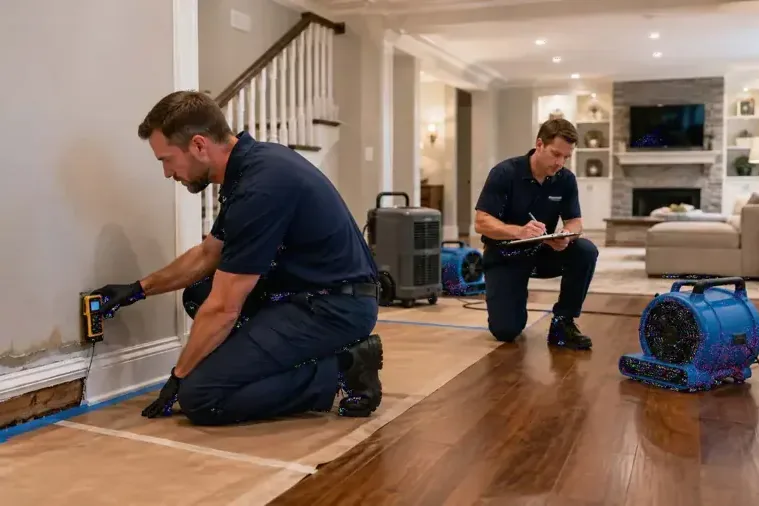
The tech who does the walkthrough maps every wet material with meters and thermal imaging before any equipment goes down.
Truck-mounted extraction pulls standing water out of the building instead of pushing it into the next room.
Air movers match each room's evaporation load; LGR units and desiccants pull the moisture out of the air.
Equipment stays until wet materials read within 2 to 4 points of a dry reference in the same building.
A contained Class 1 loss usually dries in three to five days. Hardwood, plaster and brick take longer, and the equipment leaves on readings, not on a schedule.
Category 1, 2 and 3 water are handled differently, and the source decides which one is in the house.
A burst supply pipe, a water heater tank or a radiator supply. Often dried in place when the work starts early.
Washer discharge, dishwasher water or a toilet overflow with no waste. Soaked materials are cleaned or pulled first.
Sewer backups through floor drains, street runoff and drain stack leaks. Porous materials get removed, not dried.
See sewage backup cleanupWater damage restoration here typically runs $1,000 to $20,000 or more. A contained clean-water leak sits at the low end; a flooded finished basement or a sewage backup sits at the high end. The drivers are the water category, the square footage, the material class and how fast drying started.
For a planning number on your own loss, use the water damage cost calculator. The walkthrough and the moisture map set the actual scope.
A water claim is decided on the file. The restoration team builds it as the work happens.
Where the water went, measured from day one, not guessed.
Temperature, humidity and material readings every day until the drying goal is met.
Taken before any demolition, with the waterline and the source visible.
The category and class of loss plus a line-item scope in the format adjusters expect.
Sudden and accidental discharge, such as a burst supply pipe, is treated differently from rising surface water, which falls under flood coverage, and drain or sump backups often need a separate endorsement. Coverage depends on your policy, so it is worth checking with your own insurer.
ZIP 07050 and 07051 cover the City of Orange Township in Essex County, home to about 34,447 people at the 2020 census.
Have three things ready: which level is wet, where the water came from, and whether a basement apartment or the unit below is involved. That decides the equipment on the truck.
The water problems here come from old buildings, a river through town and the big storms that cross North Jersey.
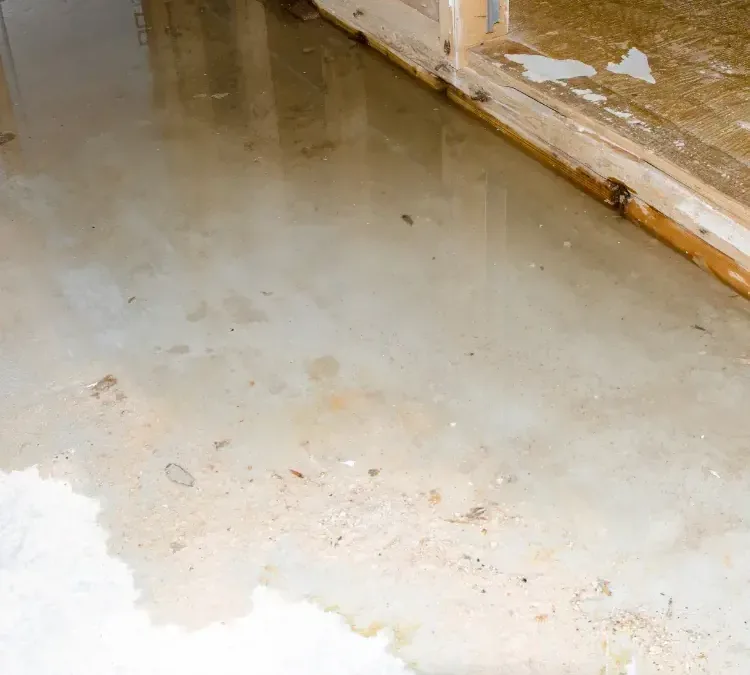
The restoration team works around the clock across ZIP 07050 and 07051, and emergency water calls are treated as urgent at any hour. Water spreads into plaster, subfloor and the rooms below, so the sooner extraction starts, the smaller the job.
Three ways, usually: groundwater rises faster than the sump pump can move it, the pump stops when the power goes out, or the sewer fills and pushes water up the lowest floor drain. Each one needs a different cleanup.
Yes. Water from a floor drain, toilet or the street is Category 3. Keep people and pets out and leave it to crews working with containment, protective gear and an EPA-registered antimicrobial.
Sudden and accidental discharge, like a burst supply pipe, is commonly covered after the deductible. Drain and sump backups often need an endorsement, and rising surface water falls under flood insurance. Check your own policy.
A contained Class 1 loss usually dries in three to five days. Plaster, hardwood and brick take longer. The equipment comes out when readings sit within 2 to 4 points of a dry reference, not on a set date.
Shut the main, cut power to wet circuits if the panel is dry, stay out of water near outlets, photograph everything, lift rugs and boxes off the floor and call for extraction.
It can, but cupped boards are often saved. Drying mats and dehumidifiers pull the water out of the wood, and boards that flatten can usually be sanded and refinished.
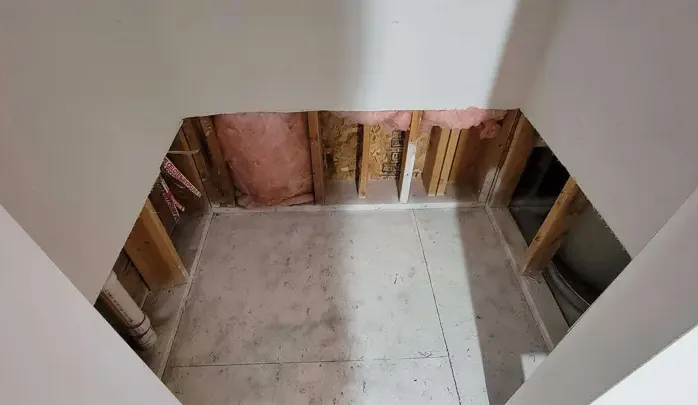
When it was touched by Category 3 water, when it is sagging, or when readings show it cannot be dried in place. Clean-water losses caught early are often dried without demolition.
It is the industry standard for water damage restoration. It sets how water is categorized, how drying is planned and measured, and when a structure counts as dry, which is why readings, not appearances, end the job.
By the water category, the square footage that got wet, the material class and how many days the equipment runs. A line-item scope built from the moisture map is what the adjuster works from.
Standing water spreads into plaster, subfloor and the floor below. Getting extraction going tonight keeps the job smaller.