Clean water
Supply pipe breaks, water heater tanks and other clean sources. Caught early, materials can often be dried where they are.
24/7 water damage restoration in Bloomfield, NJ. The response team pulls out standing water, dries walls and floors to the IICRC S500 goal and keeps a record of every step for the insurer.
(888) 471-9821Bring a crew to the township tonight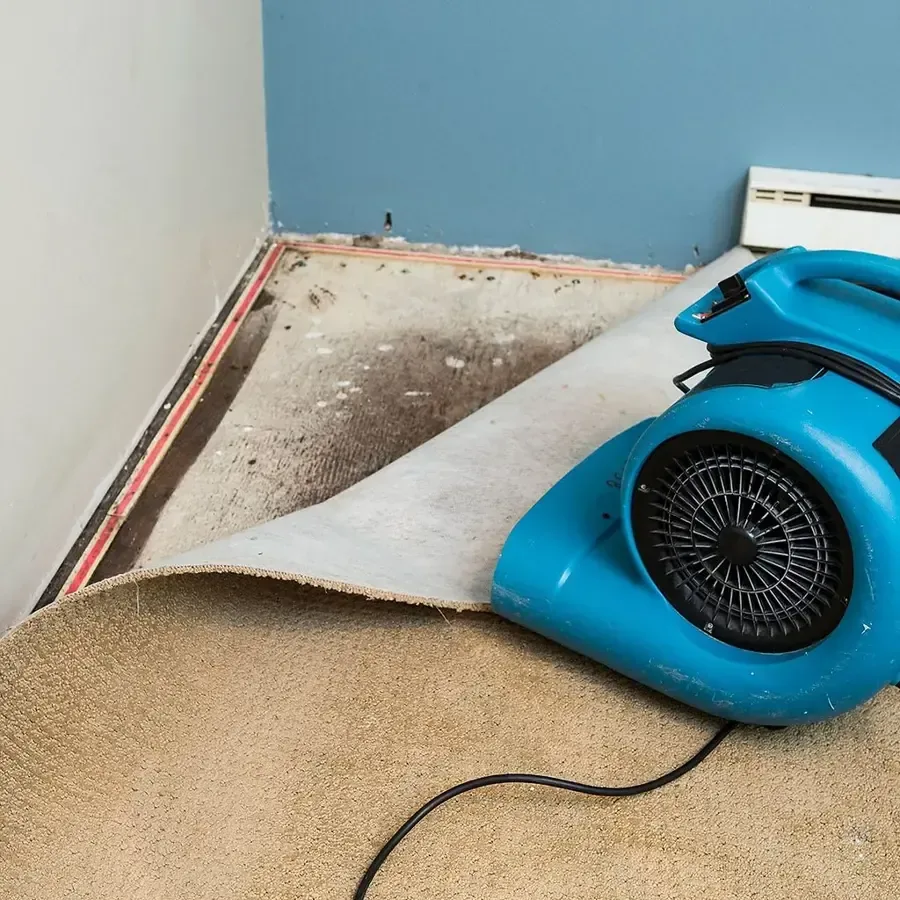
Rivers and brooks meet here. Residents report repeated flooding near Watsessing Park and along the Second and Third rivers after heavy rain.
Three kinds of water loss that follow heavy rain and aging pipes in the township, each handled its own way.
Residents report repeated flooding near Watsessing Park and the Second and Third rivers. Runoff that gets inside is treated as contaminated and extracted before drying starts.
Storm and flash flood cleanupThe stormwater system dates to the late 19th and early 20th centuries, and clogged drains are reported in heavy rain. Backflow is contained, removed and disinfected as Category 3.
Sewage backup cleanupA split pipe inside a wall soaks framing out of sight. Thermal imaging finds the wet cavity, and drying runs until meters confirm it.
Burst pipe water damageWater and sewage losses only, from the first pass with the extraction wand to the final moisture reading that closes the job.
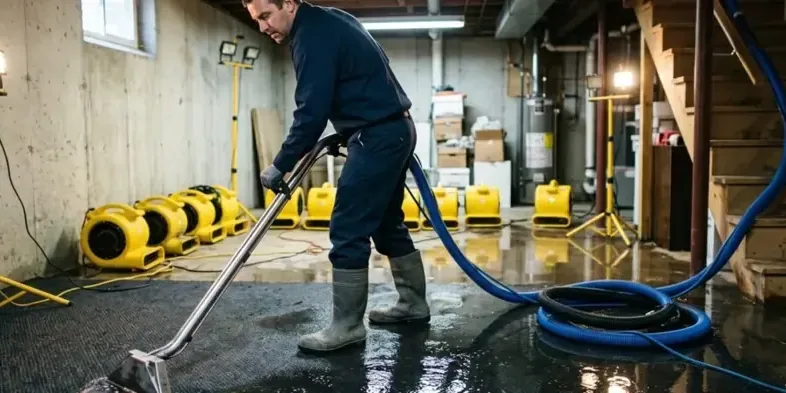 Water Extraction and RemovalStanding water removed with truck-mounted and portable units before it wicks into pad, drywall and framing.Details
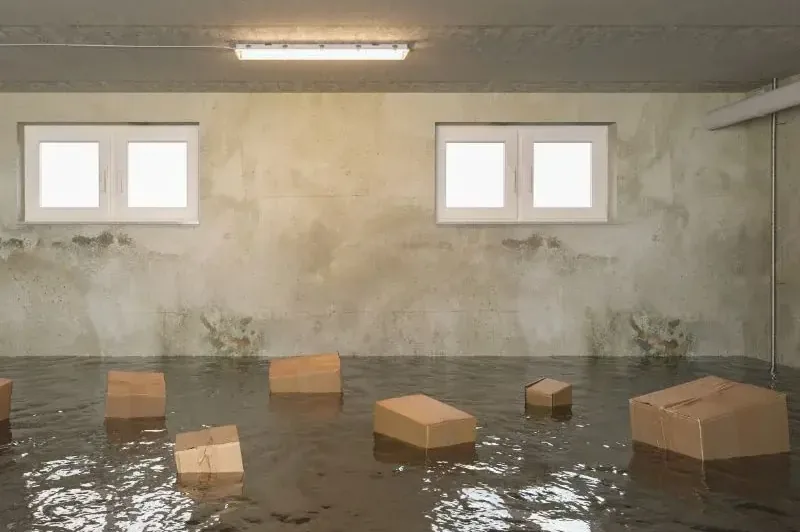 Basement Flooding CleanupFlooded lower levels pumped out, cleaned and dried from the floor slab up to the framing.Details
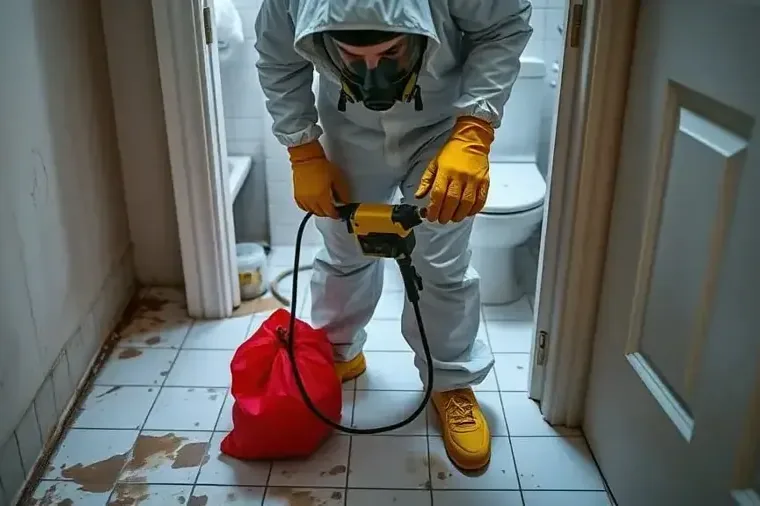 Sewage Backup CleanupDrain and toilet backflow handled as Category 3, porous materials removed and every surface treated.Details
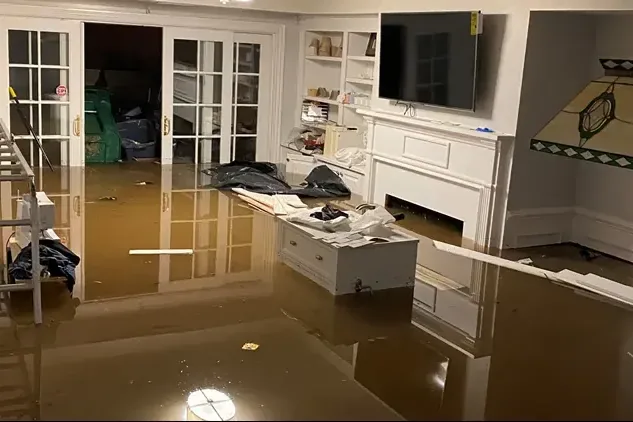 Storm and Flash Flood CleanupStorm runoff through doors and low entries extracted and dried as contaminated water.Details
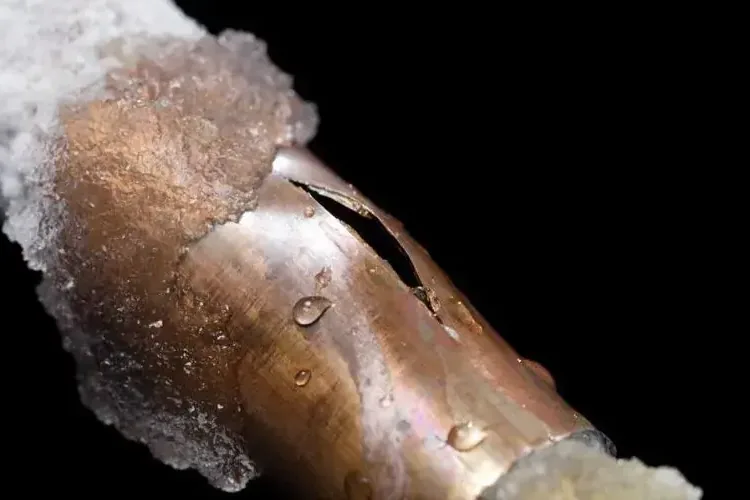 Burst Pipe Water DamageBroken supply pipes inside walls and ceilings located, extracted and the cavities dried.Details
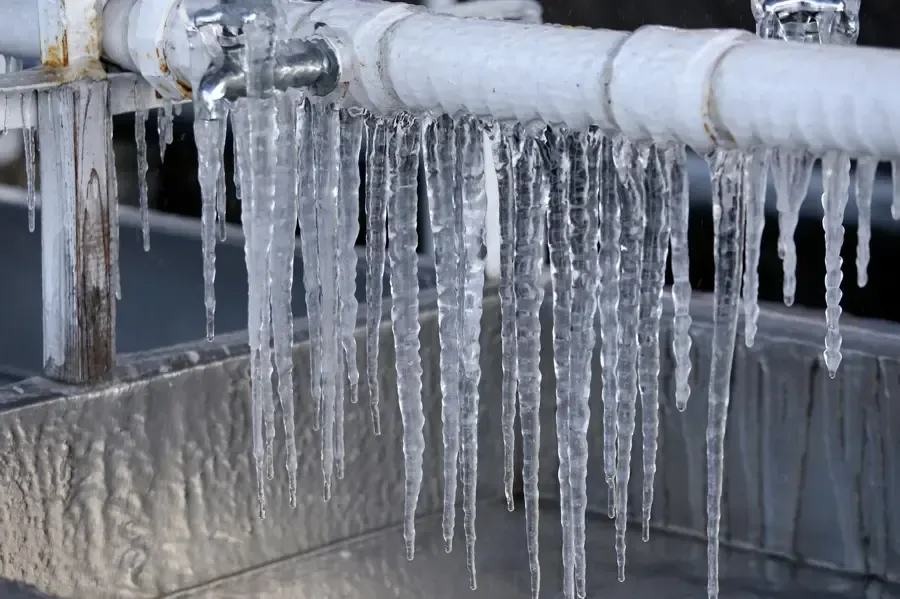 Frozen Pipe Water DamagePipes that split in a hard freeze, with wall cavities opened and dried before the thaw spreads it.Details
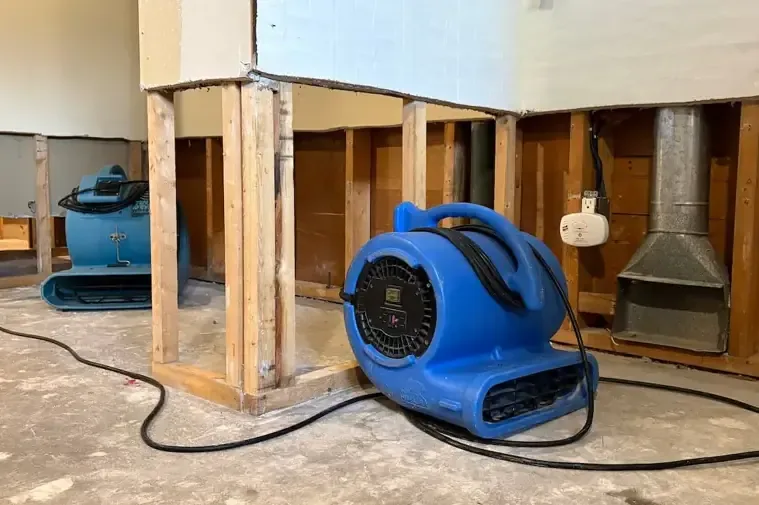 Radiator and Boiler LeaksLeaks from hot-water and steam heat around radiators and boilers extracted and dried.Details
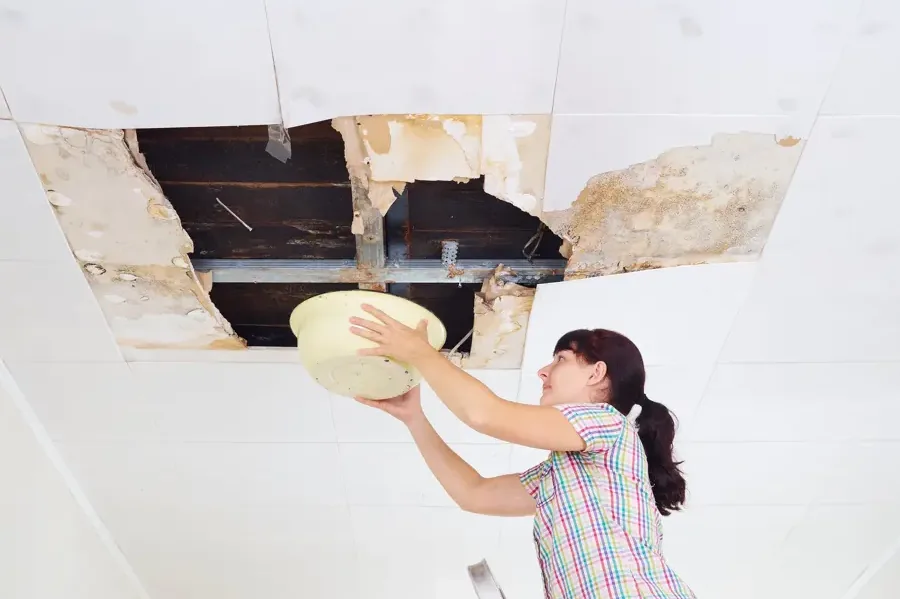 Ceiling Leak Water DamageWater through a ceiling from a bath or unit above, traced, drained safely and dried.Details
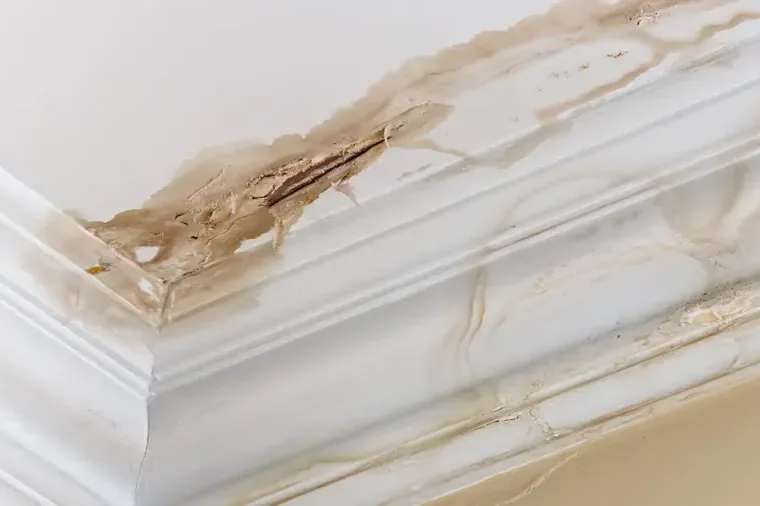 Roof Leak Water DamageStorm leaks into attics and top floors, wet insulation removed and ceilings dried.Details
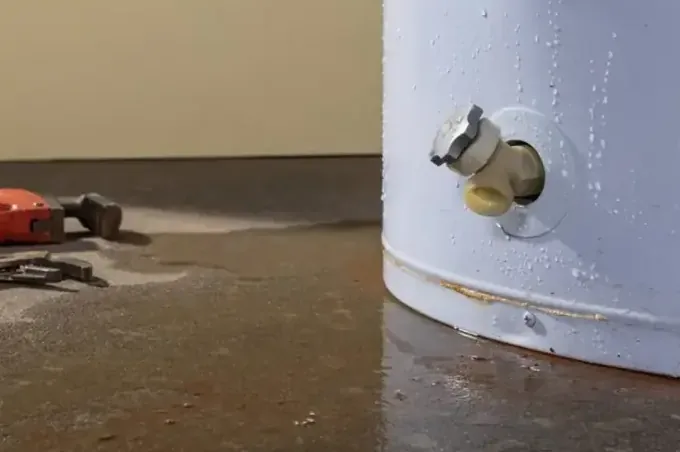 Water Heater Leak CleanupTank and relief valve failures extracted before stored items and walls soak through.Details
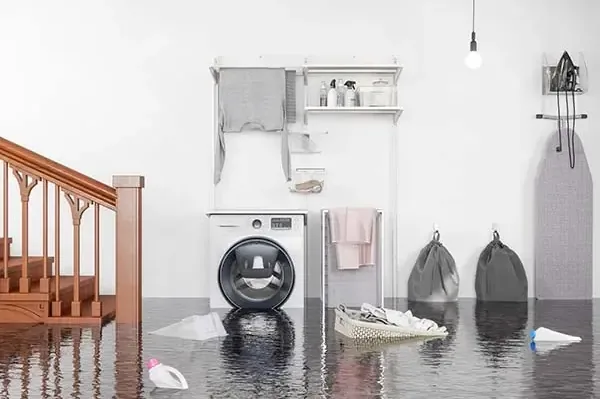 Washer and Appliance LeaksWasher hoses, dishwasher fittings and ice maker tubing leaks dried from floors and cabinets.Details
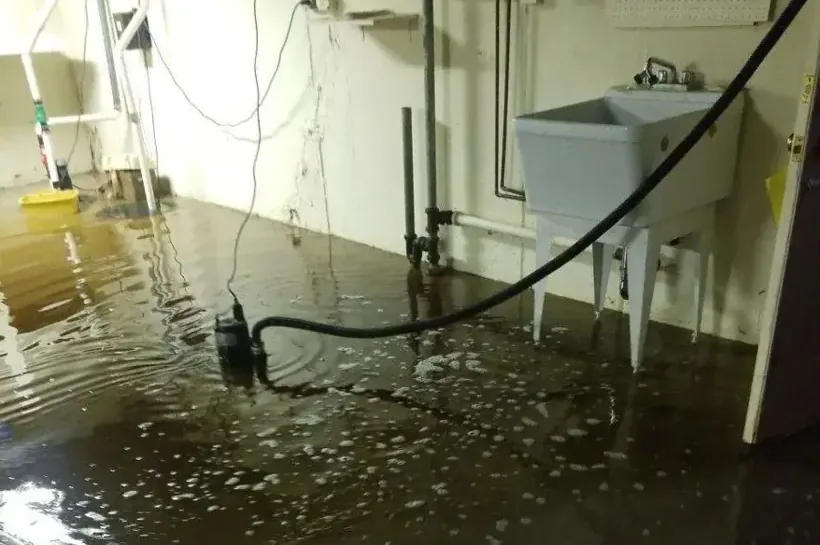 Sump Pump Failure CleanupWater from a stalled or overwhelmed sump pump pumped out and the space dried.Details
 Structural Drying and DehumidificationFraming, subfloor, plaster and masonry dried until readings match a dry reference.Details
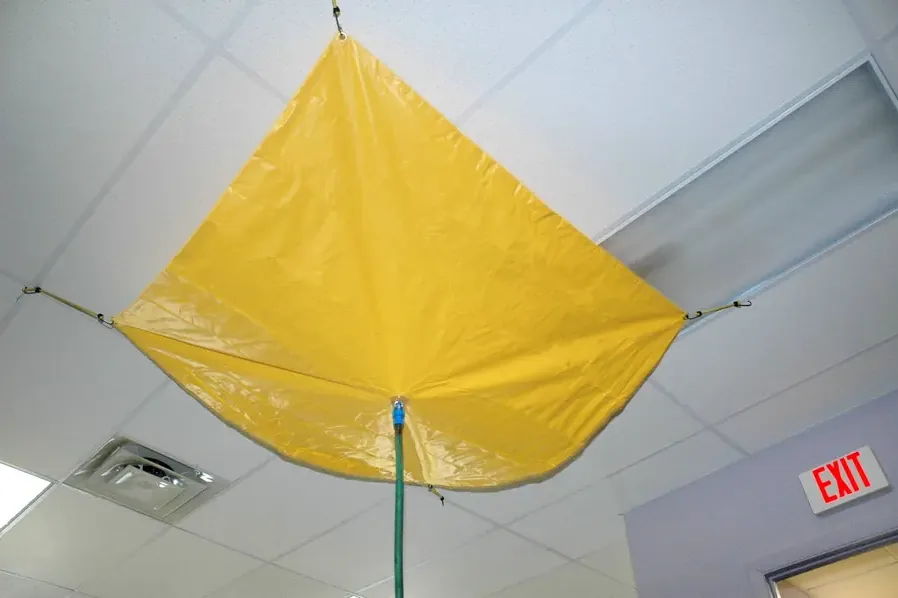 Commercial Water DamageShops on Bloomfield Avenue and Broad Street, schools and offices dried in phases.Details Not sure what you are looking at?Tell dispatch where the water came from and what it reached. The response team works out the category and the scope. (888) 471-9821See a planning range firstThe cost calculator estimates a range from wet area, water type, spread and materials.Try the calculator
Find the shut-off where the water service enters the house and close it; in a rental, reach the landlord or superintendent.
Switch off circuits feeding wet rooms only if the panel and the floor in front of it are dry. Otherwise leave it alone.
Water near outlets can be live, and anything that rose out of a floor drain or came in from the street counts as sewage.
Capture the high-water line, the source and each wet room with time stamps on, before anything gets moved.
Get rugs, cardboard and electronics up off the floor, then call while most of the water is still standing on the surface.
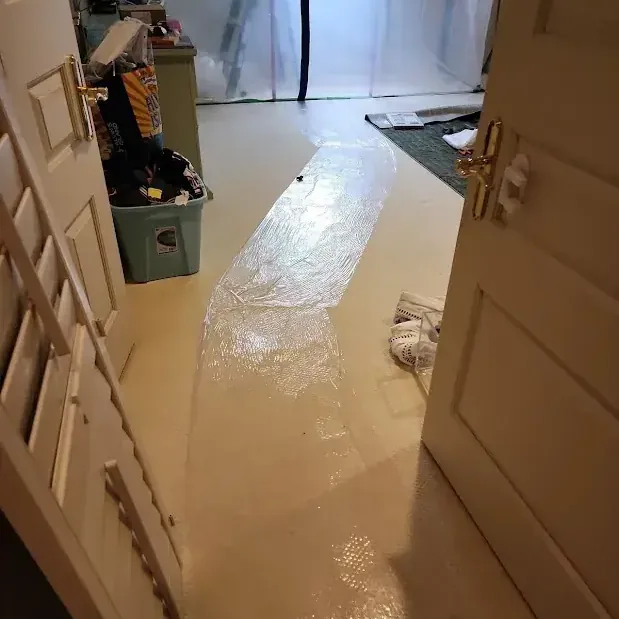
Bloomfield is an Essex County township and an inner-ring suburb of Newark, with about 53,105 people at the 2020 census and 19,470 housing units counted in 2010, including Brookdale, Silver Lake, Watsessing and Ampere North.
The restoration team works the whole township around the clock, from homes near Brookdale Park to businesses on Bloomfield Avenue and Broad Street, and dries every loss to the IICRC S500 standard.
Read how the work is doneCrews cover every neighborhood in ZIP 07003 day and night, so pumping starts before water settles into walls and subfloors.
Drying targets the structure, not only the surface: wet materials are mapped first, then equipment is sized room by room.
Dated photos before any tear-out, a moisture map and daily drying logs give the adjuster a clean record.
Creek flooding, drain backflow and broken supply pipes are the losses the township's own record points to.
A dry-out that holds up comes down to doing the work in the right order, every time.
The tech running the walkthrough checks every wall, floor and ceiling with meters and a thermal camera before any equipment is placed.
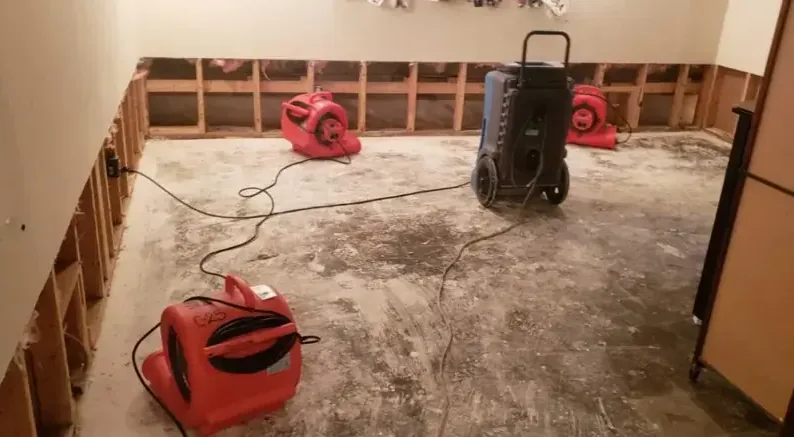
Truck-mounted extraction removes standing water from the building instead of pushing it across into the next room.
Air movers are matched to each room's evaporation load, while LGR units and desiccants draw the moisture out of the air.
Equipment stays in place until every wet material reads within 2 to 4 points of dry material elsewhere in the house.
A contained Class 1 loss often dries in three to five days. Plaster, hardwood and masonry need longer, and equipment comes out on the readings, never on a calendar.
Category 1, 2 and 3 water each get their own handling, and where the water started decides which one it is.
Supply pipe breaks, water heater tanks and other clean sources. Caught early, materials can often be dried where they are.
Washer and dishwasher discharge or a toilet overflow without waste. Soaked materials get cleaned or removed first.
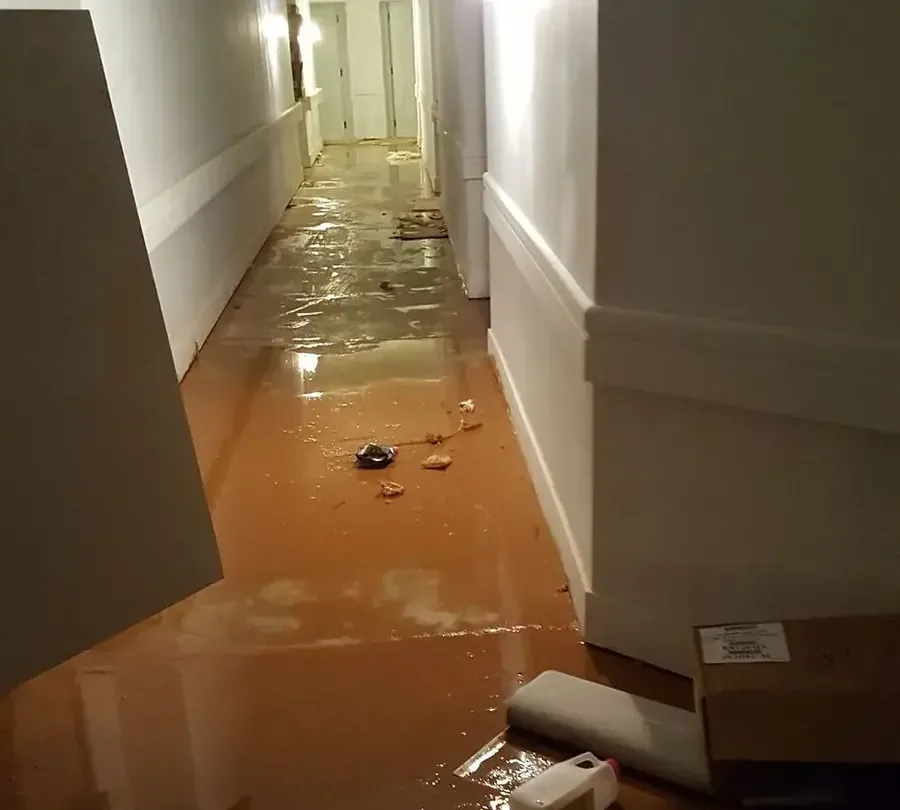
Drain backflow, creek and street floodwater and sewage leaks. Porous materials come out instead of being dried.
See sewage backup cleanupWater damage restoration in the township usually runs $1,000 to $20,000 or more. A small clean-water leak caught early lands near the bottom; a sewage backup or storm flooding through several rooms lands near the top. Category, square footage, material class and how fast drying began drive the number.
For a planning figure on your own loss, try the water damage cost calculator. The final scope comes from the walkthrough and the moisture map.
Water claims are settled on the record. The response team builds that record while the work is underway.
A measured record of where water traveled, from day one, not guesswork.
Air temperature, humidity and material readings logged every day until the dry goal is reached.
Shot before any tear-out, showing the high-water line and where the water came from.
The loss category and class with a line-item scope in the format adjusters expect.
A sudden and accidental discharge such as a broken supply pipe is handled differently from rising surface water, which usually falls under flood coverage, and drain backups often need their own endorsement. Coverage depends on your policy, so it is worth confirming with your own insurer.
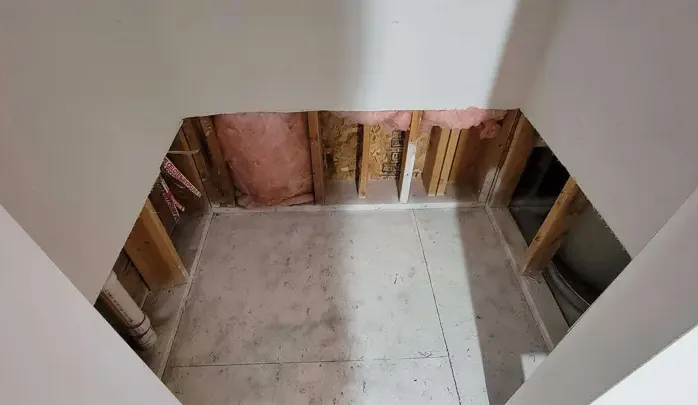
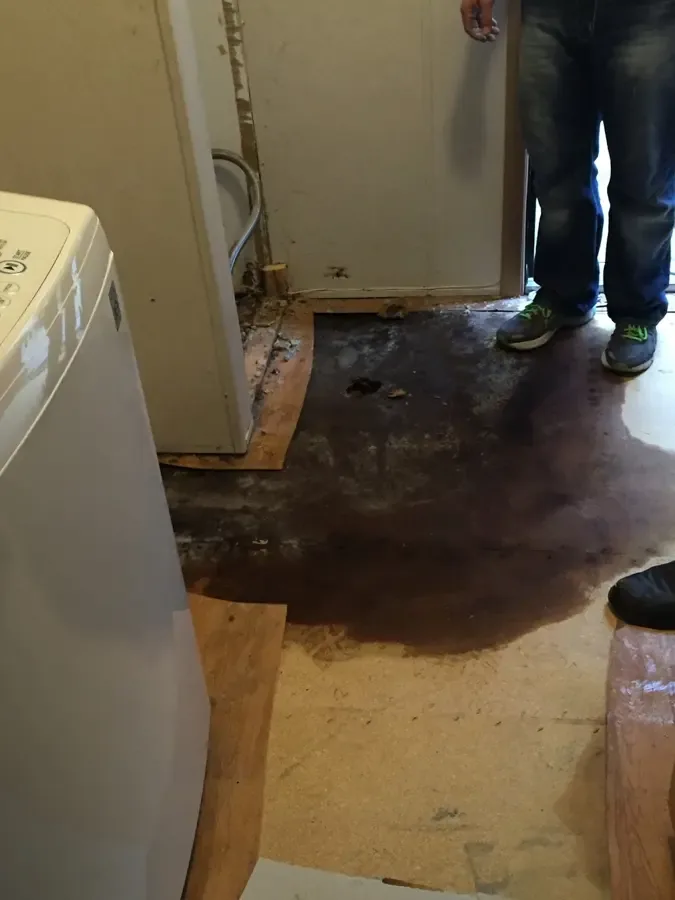
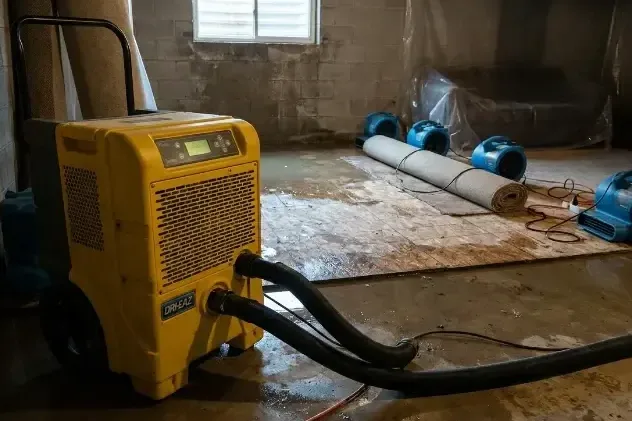
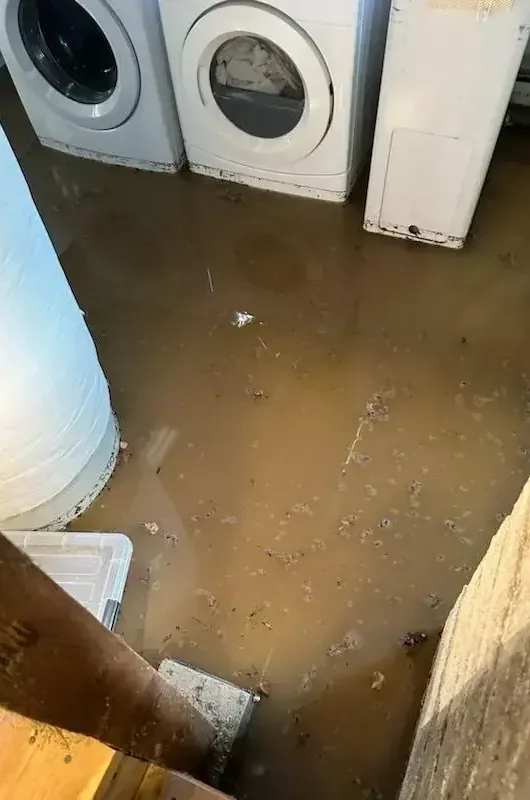
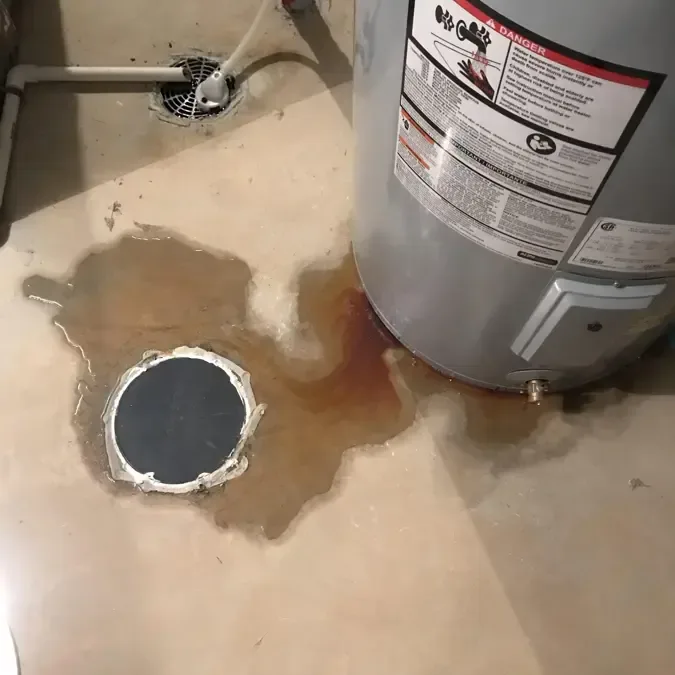
ZIP 07003 covers Bloomfield Township in Essex County, a community of about 53,105 people at the 2020 census, including Brookdale and Watsessing.
Be ready with three details: which floor got wet, where the water came from, and whether a neighbor or the unit below is affected. Those answers decide what equipment comes on the truck.
Most water trouble in the township traces back to its rivers and brooks, an old drainage system and storms that keep getting heavier.
The response team covers ZIP 07003 around the clock, and emergency water calls get treated as urgent at any hour. Water keeps moving into walls, subfloor and the rooms underneath, so an early start keeps the job smaller.
Residents report repeated flooding near Watsessing Park and the Second and Third rivers. The stormwater system dates to the late 19th and early 20th centuries, and officials say heavier storms and aging infrastructure strain it.
Yes. Anything that rose out of a floor drain, a toilet or the street counts as Category 3. Keep people and pets away and leave sewage backup cleanup to crews using containment, protective gear and an EPA-registered antimicrobial.
A sudden and accidental discharge such as a broken supply pipe is commonly covered after the deductible. Drain backups often need an endorsement, and rising surface water needs flood insurance. Read your own policy.
A contained Class 1 loss often dries in three to five days, while plaster, hardwood and masonry take longer. In structural drying, equipment leaves when readings sit within 2 to 4 points of a dry reference.
Close the main valve, switch off power to wet rooms if the panel is dry, keep clear of water near outlets, photograph everything, lift rugs and boxes, then call for extraction.
A main break mostly means low pressure or a boil water advisory, as the township saw in August 2022. Damage inside the home usually comes from your own pipes, fixtures or storm water instead.
When Category 3 water touched them, when they sag, or when readings show they will not dry in place. Clean-water losses caught early often dry without any demolition at all.
It is the industry standard for water damage restoration. It defines water categories, how drying is planned and measured, and when a structure counts as dry, so readings rather than looks end a job.
By the water category, the square footage that got wet, the material class and how many days the equipment runs. A line-item scope built from the moisture map is what the adjuster works from.
Standing water keeps spreading into walls, subfloor and the rooms below. Starting extraction tonight keeps the loss smaller.