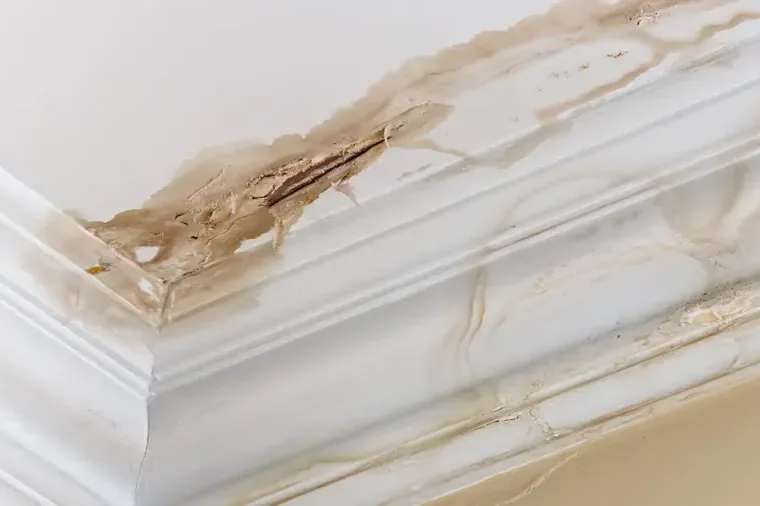
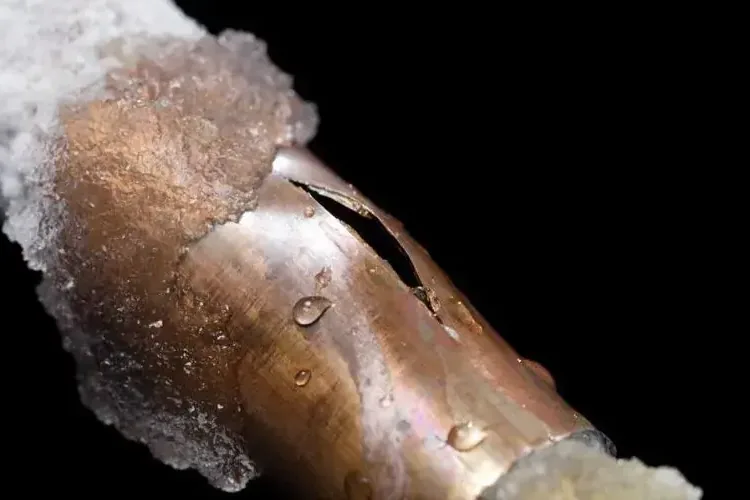

Is a bulging ceiling dangerous?
Yes. A ceiling holding water can drop without warning, bringing wet drywall and insulation with it. Keep everyone out from underneath, and let a crew drain it in a controlled way through small relief holes.
In a dense township, an upstairs leak can reach the rooms below it. Crews drain any bulging ceiling, remove wet drywall and insulation, and dry the cavity above so the stain does not return.
(888) 471-9821Stop the ceiling drip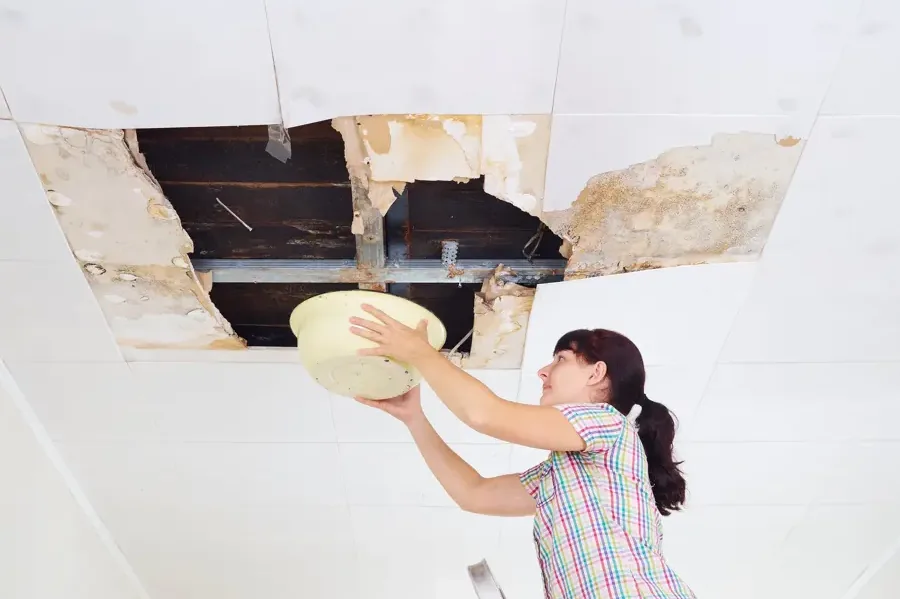
A ceiling bulging with water can fall without warning, so move people, pets and furniture out from under it.
Place a bucket under active drips and cover nearby furniture with plastic, but leave bulges alone unless a crew advises otherwise.
Turn off ceiling fixtures and fans that are wet or dripping, and use the breaker only from a dry, safe place.
Check the room, bath or roof area above for the source, photograph the stain, and note whether the water is clean or looks dirty.
A ceiling stain dried in place costs far less than a section that has to be removed. Price follows the size of the wet area, whether insulation is soaked and whether a second level is involved. The cards show the printed ranges.
For a planning number on your own loss, try the water damage cost calculator. Ranges are typical, not a quote: the water category, the square footage, the material class and how fast drying started move the final figure, which comes from the walkthrough and the moisture map.
A technician checks for sag, shuts off wet fixtures, and drains any bulge through a small relief hole into a bucket so the ceiling cannot drop.
Moisture meters and thermal imaging follow the stain upward to a pipe, a bath, an appliance or the roof so the right repair can be arranged.
Wet drywall and soaked insulation come out in clean cuts, giving air direct access to joists and the cavity above the room.
Air movers and a dehumidifier run until the joists and surrounding drywall read dry, and the final numbers are placed in the record.
A ceiling leak often starts somewhere else: a bathroom above, a supply pipe in the joists or a roof opening. In a closely built township like Irvington, tracing the source early prevents repeat damage and extra repairs.
Drywall soaks up water and holds it until the weight bends the board. A small stain can hide a pocket of water above, and one more hour of leaking can bring plaster, paint and insulation down at once. That is why bulges are treated as a hazard, not a cosmetic problem.
Moisture mapping follows the wet path upward, and the crew explains what each reading means in plain terms. A leak from a split pipe continues on the burst pipe page, while one coming through the roof is covered on the roof leak page.
Once readings are dry, repairs can begin with new insulation, drywall and paint. Records of the stain, the opening and the final readings are kept so an adjuster can follow the repair from start to finish. A final walk through with the owner confirms what was repaired, what was removed and what still needs new finishes, so nothing is left to guesswork.
Ceiling leak crews serve ZIP 07111, including the Civic Square area, Irving Place and the Springfield Avenue commercial district, with thermal imaging to trace the wet path above the stain.
The same service nearby: ceiling leak water damage in Orange, Millburn, Bloomfield.
Yes. A ceiling holding water can drop without warning, bringing wet drywall and insulation with it. Keep everyone out from underneath, and let a crew drain it in a controlled way through small relief holes.
Not until the source is fixed and the area is dry. Paint over a damp stain traps moisture, peels and lets the stain bleed back through, so readings should confirm dryness before finishing.
Usually yes. Wet insulation loses its value, stays damp for a long time and keeps the joists wet. Removing it gives air access to the framing so the cavity can dry properly.
Thermal imaging and moisture meters follow the wet path upward from the stain. The source may be a supply pipe, a drain, a tub or shower above, or a roof opening, and each needs a different repair.
Sudden leaks are often covered, while slow seepage over months may not be. Keep dated photos, note when the stain first appeared and save any repair invoice so the claim file is complete.
Small areas dry in two to three days with air movers and a dehumidifier. Larger sections or two stories of damage take longer, and the readings decide when the equipment leaves.
The crew documents the damage and the likely source, which helps the owners and insurers decide who handles the repair. Photos and moisture readings give both sides a clear record.
Describe the stain, the room above and any sagging, and a crew plans safe drainage, removal and drying for the damaged section.