
Is it safe to walk into a flooded basement?
Not until power to the area is confirmed off. Water can carry current from outlets, panels and appliances, and stairs are slick. Wait for a crew to assess it, or have an electrician cut power first.
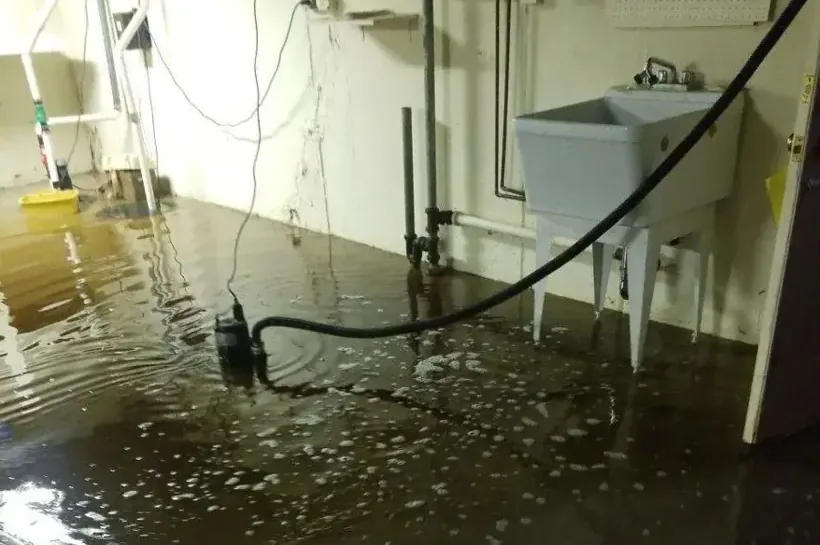
Heavy rain and the Elizabeth River channel through the center of the township make basement water a real concern. Crews pump the space out in stages, clear ruined contents and dry the slab and walls.
(888) 471-9821Get the basement pumped out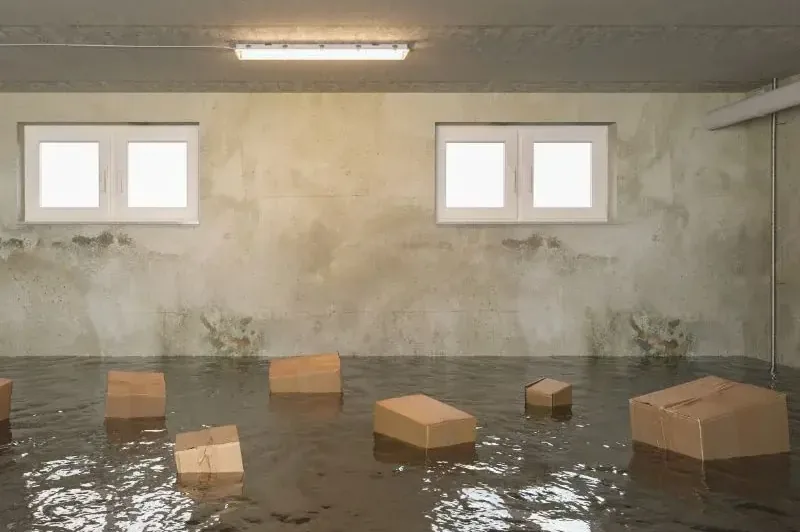
Do not enter a flooded basement while the water is deep or touches outlets, the panel or a furnace. Hidden power makes it dangerous.
Decide whether it came from rain, a burst pipe, a failed pump or a drain. The source sets the category and the cleanup plan.
Carry out dry boxes, documents and electronics from upper shelves, and leave soaked cardboard where it sits until it is photographed.
Give the crew the water depth, the finish of the walls and floor, and whether sewage is involved so the right pumps arrive ready.
Basement jobs scale with depth, finish level and water type. A bare cellar with shallow clean water sits at the low end, while a finished space with contaminated water sits at the top of the printed ranges. A quote follows the first inspection.
For a planning number on your own loss, try the water damage cost calculator. Ranges are typical, not a quote: the water category, the square footage, the material class and how fast drying started move the final figure, which comes from the walkthrough and the moisture map.
The crew confirms power is safe, identifies the water source and category, and measures depth before any pump starts, photographing the starting condition for the file.
Water is lowered in steps, because a sudden drop can load basement walls and slabs with the pressure of wet soil outside.
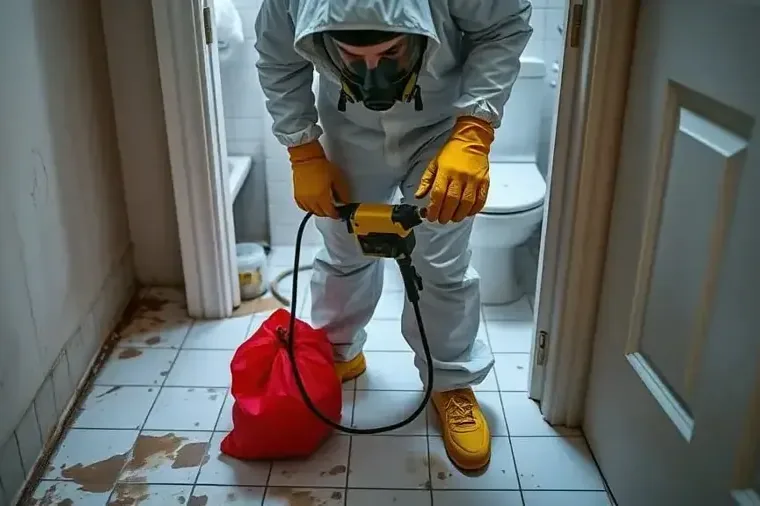
Ruined contents, carpet, pad and lower drywall are removed, then the slab, block and framing are washed and treated.
Dehumidifiers and air movers run until moisture readings in the slab, walls and framing match dry reference points, and the final record goes into the claim file.
Basement water in Irvington usually follows heavy rain, a failed pump or a broken pipe. Whatever the cause, the first hours decide how much carpet, drywall and storage must be thrown out, and how long the space stays unusable.
The Elizabeth River runs south through the center of the township in a concrete channel, and Tropical Storm Ida in September 2021 sent it over its banks downstream in Elizabeth. Where a below grade space exists, heavy rain is a clear risk.
Stored belongings are sorted into what can be dried, what can be cleaned and what must go, with photos taken before anything leaves the space. Anything dry and valuable is moved to higher ground for the owner to look over. When a failed pump is behind the flood, the sump pump failure page covers the added steps.
Floodwater from outside and any sewage mixed into it count as Category 3. Porous finishes are removed, surfaces are disinfected, and the work follows the sewage backup process before drying equipment is set. Clean water that sat long enough can degrade too, so the category is rechecked as the job goes on.
Basement crews serve ZIP 07111, including Irving Place, the Chancellor Avenue corridor and the streets around Civic Square, with pumps matched to the depth and the water source reported on the call.
The same service nearby: basement flooding cleanup in Orange, Millburn, Bloomfield.
Not until power to the area is confirmed off. Water can carry current from outlets, panels and appliances, and stairs are slick. Wait for a crew to assess it, or have an electrician cut power first.
Pumps lower the water in steps while walls and the slab are watched. Once the standing water is gone, extractors pull the rest from carpet and the floor, and moisture readings set the drying plan.
Soaked carpet pad, wet insulation, low drywall, cardboard and upholstered items rarely recover. Solid wood, metal and hard plastics can usually be cleaned and kept if the water was clean.
Most basements need several days of dehumidifiers and air movers. Block walls and concrete release moisture slowly, so the crew keeps checking readings until the masonry matches dry reference points.
Floodwater that came in from outside is treated as Category 3 because it picks up soil, runoff and sewage. That means containment, removal of porous materials and disinfection before drying.
It depends on the policy and the cause. Sudden pipe breaks are commonly covered, while groundwater and surface flooding often need separate flood coverage, so the policy should be checked early.
Yes. A pump that failed or was overwhelmed needs a test before the next storm, and the pit should be cleared of silt so it can run freely. A working float switch matters most.
A crew can plan the pump out, the cleanup and the drying from one conversation, then explain the steps in plain language.