Category 1
A supply pipe, tank or faucet leak starts clean, and clean water is the easiest to dry when caught early.
Rahway River overflow, a failed sump pump or a split pipe can soak a Millburn home from Short Hills to Wyoming. Crews pump out, dry and document the damage for the claim.
(888) 471-9821Call now for water removal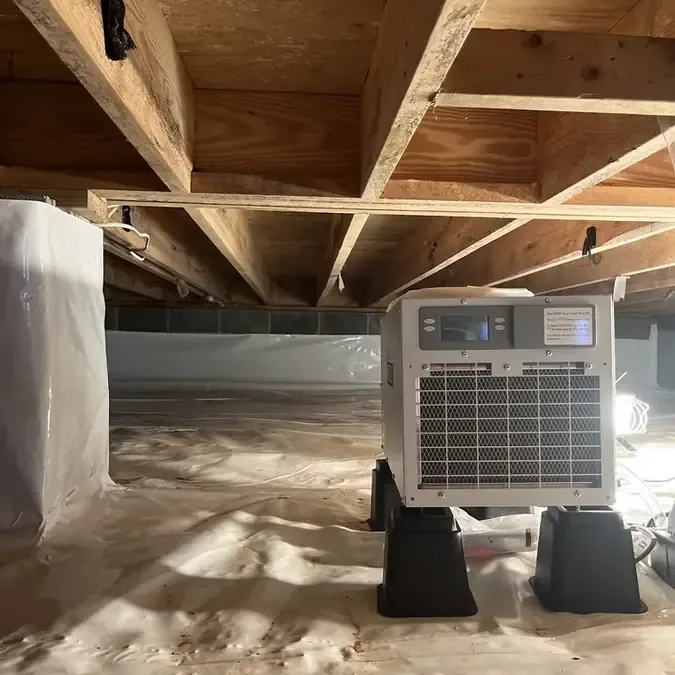
Not sure where to start? Describe the water, the room and what is wet, and the crew will explain what drying will likely involve.
Storm runoff, sewage in a cellar and a split pipe each need a different first move, and each moves fast.
Ida pushed the Rahway River over its flood walls and into basements. Standing water has to be pumped out before any drying begins.
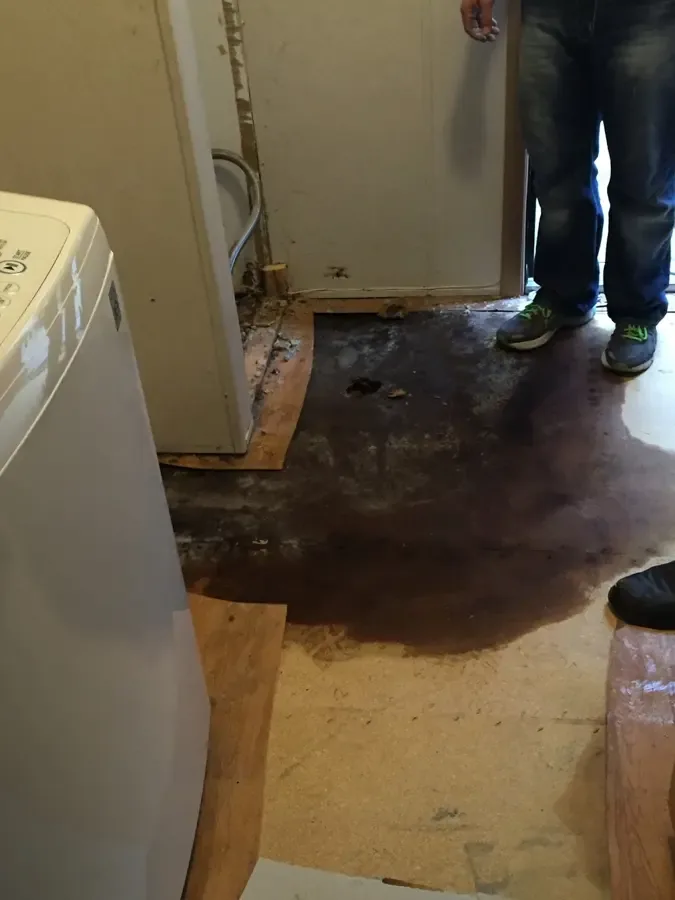
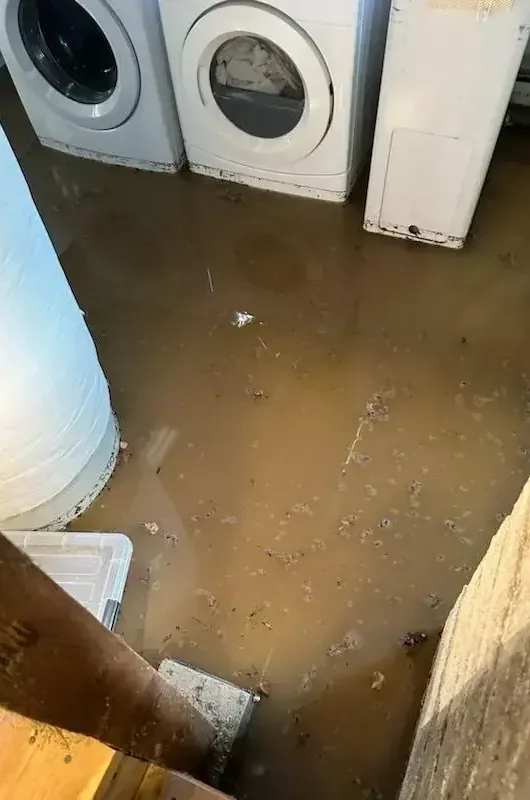
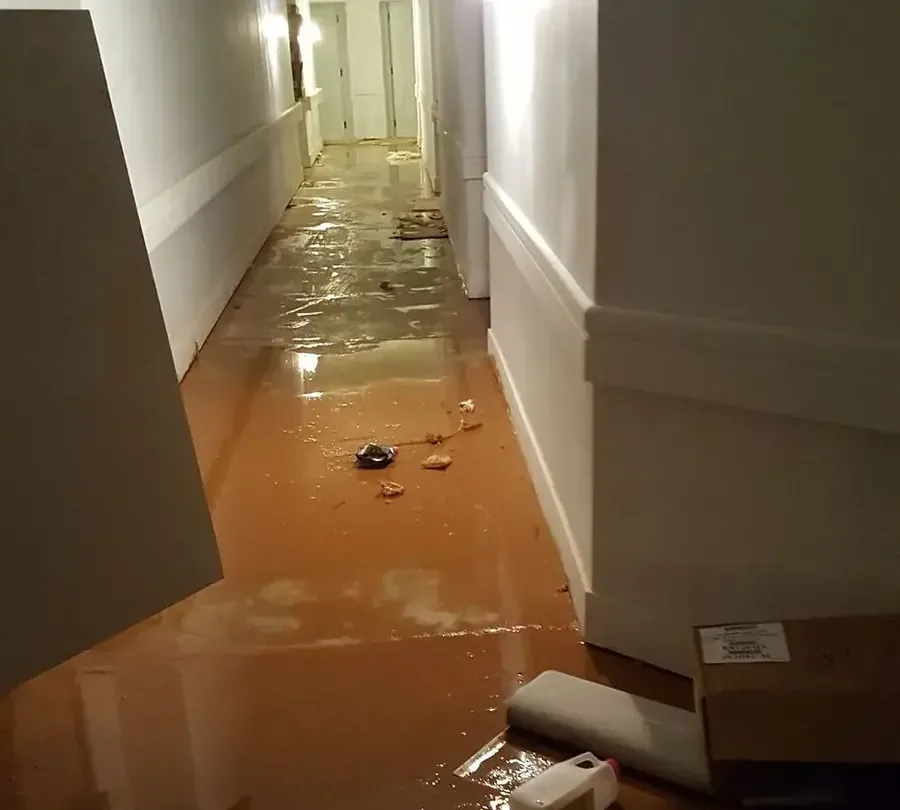
Storm flood cleanupOne home had its basement covered in dirt and sewage water after Ida. That is contaminated water, and removal calls for protective gear and careful cleaning.
Sewage backup cleanupA burst pipe floods a wall cavity fast. Shutting off the water and opening the wet materials early limits how far it spreads.
Burst pipe damageEvery kind of water loss gets its own plan, from river flooding to a leaking washer, with drying and records on each job.
 Water Extraction and RemovalPumps and extraction wands pull standing water from floors and carpet before drying starts.Details
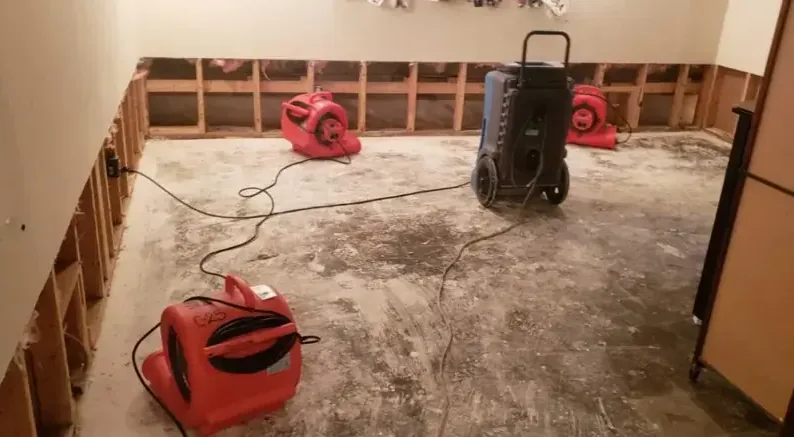
 Basement Flooding CleanupCellar flooding is pumped out, stripped of wet materials and dried down to the framing.Details
 Sewage Backup CleanupContaminated water is removed in protective gear, and affected surfaces are cleaned and sanitized.Details
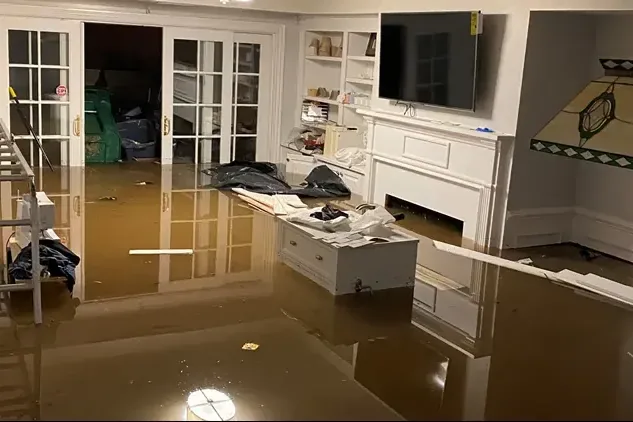 Storm and Flash Flood CleanupRiver overflow and storm runoff are cleared from lower levels, garages and ground floors.Details
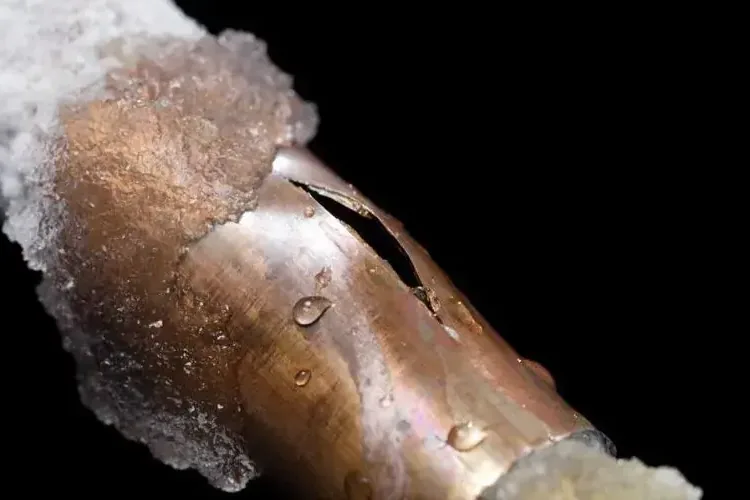 Burst Pipe Water DamageA split supply pipe soaks walls and floors fast, so wet materials are removed and dried.Details
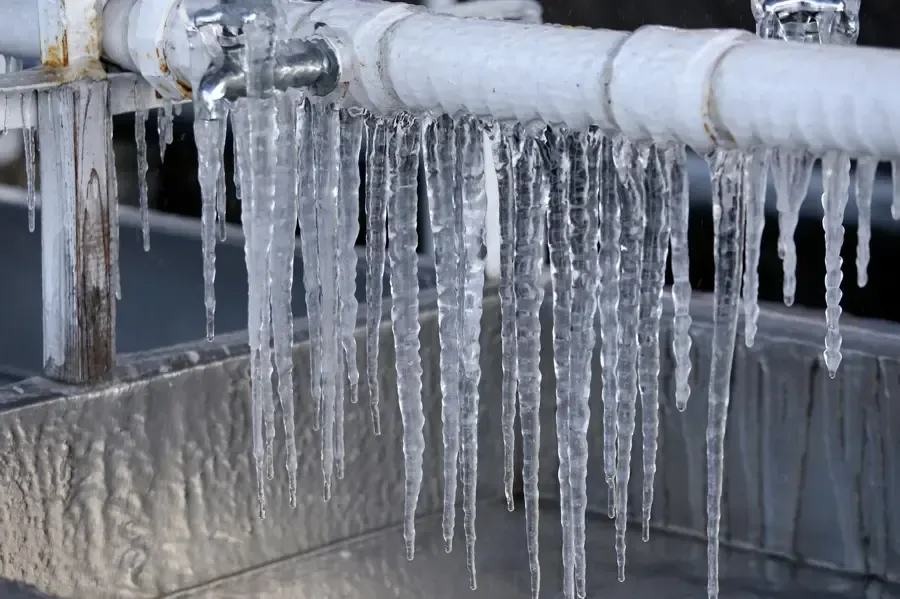 Frozen Pipe Water DamageIce can split a pipe in an unheated space, and the thaw releases the water all at once.Details
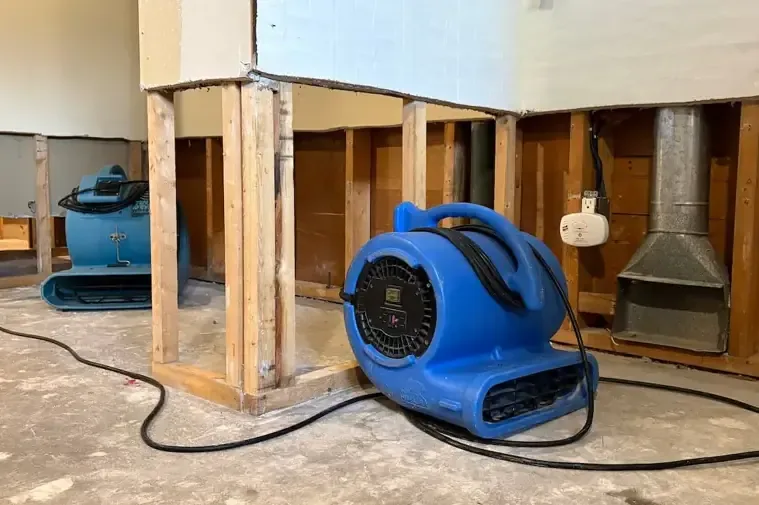 Radiator and Boiler LeaksLeaking radiators and boilers are dried out, including the floors and ceilings below.Details
 Ceiling Leak Water DamageWet ceilings are opened and dried before the soaked material sags or drops.Details
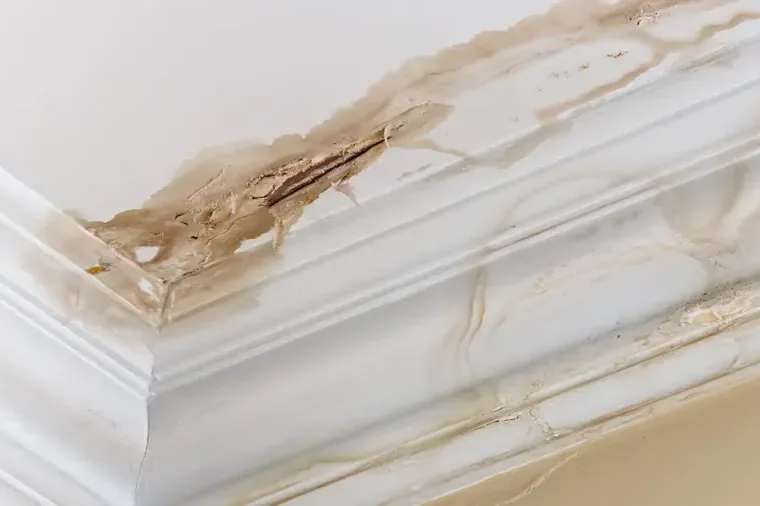 Roof Leak Water DamageRain driven through a roof soaks insulation and ceilings before the stain shows.Details
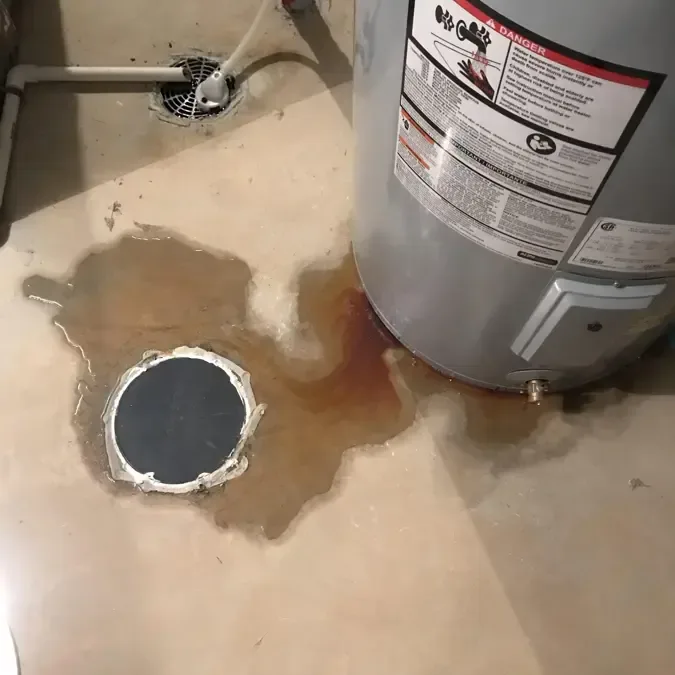
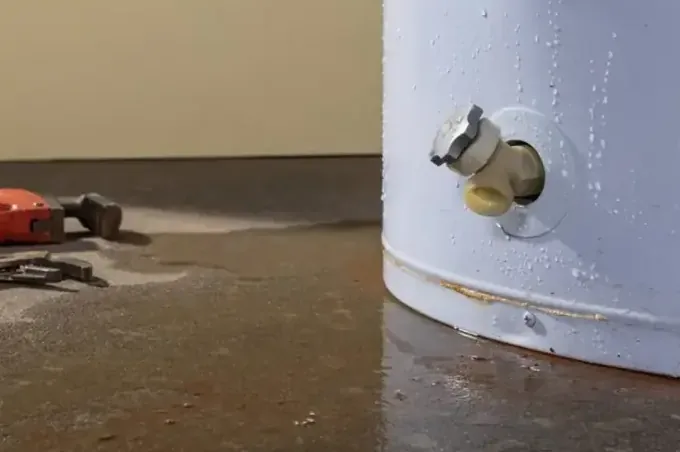 Water Heater Leak CleanupA leaking or burst tank is cleaned up and the surrounding floors and walls dried.Details
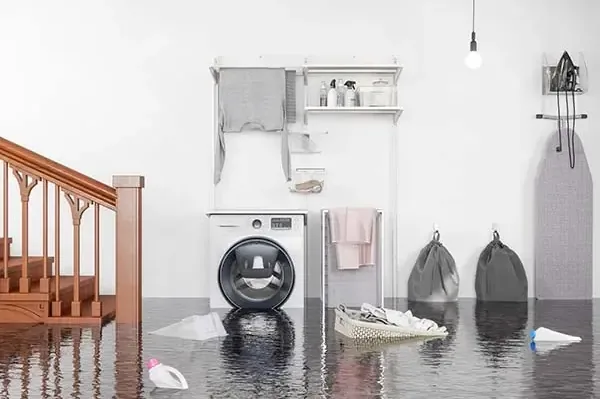 Washer and Appliance LeaksWashers, dishwashers and other appliances can leak into floors and cabinets unseen.Details
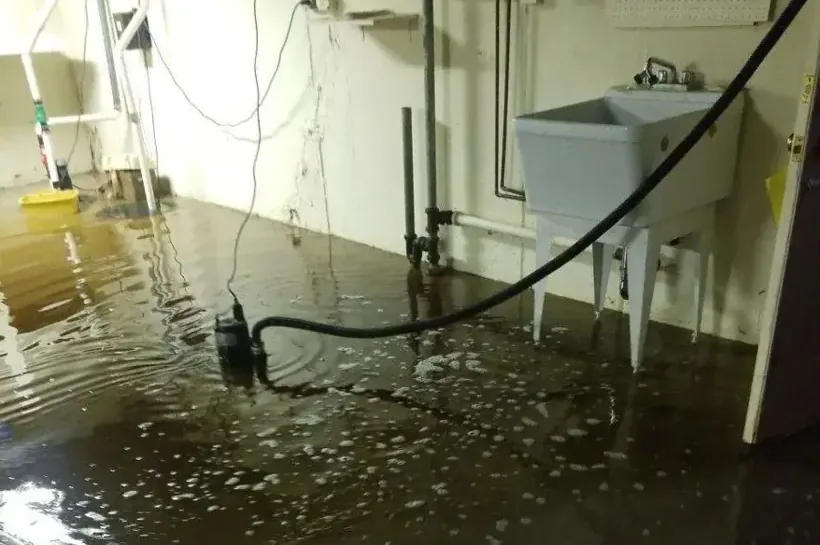 Sump Pump Failure CleanupWhen a sump pump quits, the basement fills, so the water is extracted and the space dried.Details
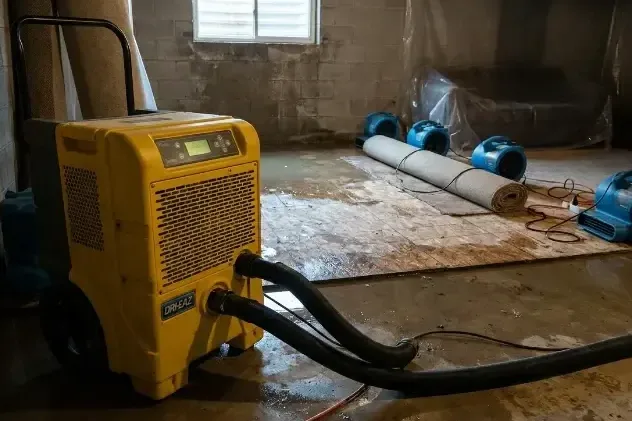
 Structural Drying and DehumidificationDehumidifiers and air movers dry framing, subfloors and walls until readings reach target.Details
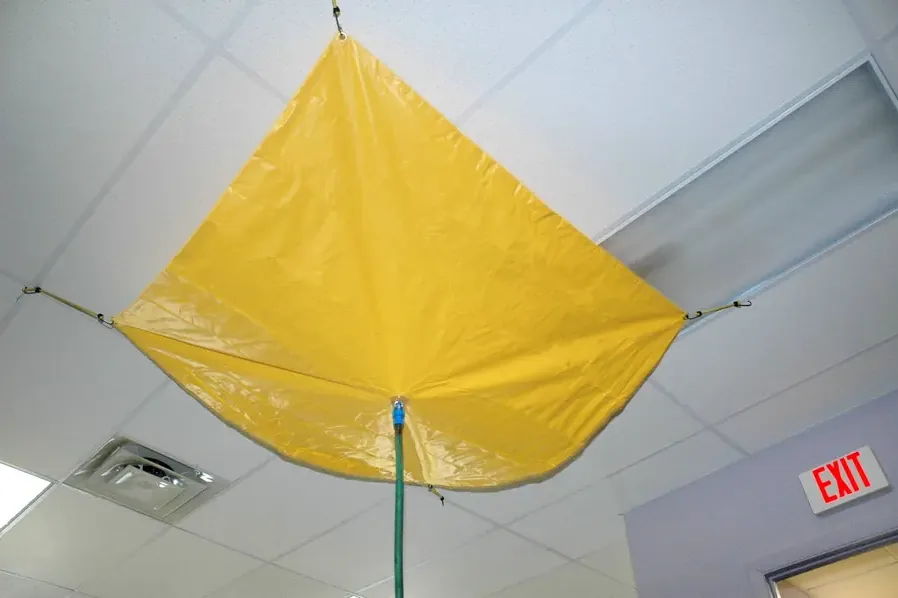 Commercial Water DamageShops, restaurants and offices get containment, drying and records that keep business moving.Details Water in the house right now?Call any hour and a crew member will ask about the source, the rooms affected and what is wet before dispatch. (888) 471-9821Estimate the drying scopeA quick calculator gives a rough range for the affected area before anyone visits.Open the calculator
Close the shutoff valve for a pipe or appliance. If water is rising from outside, do not wade in.
Turn off breakers for a flooded basement or room, and stay out of standing water near outlets or panels.
Move boxes, rugs and electronics onto dry furniture or upper floors before the water spreads further.
Take wide and close photos and video of the water, the damage and any damaged belongings before cleanup.
Describe the water source and depth, then let the crew set the order of pumping, removal and drying.
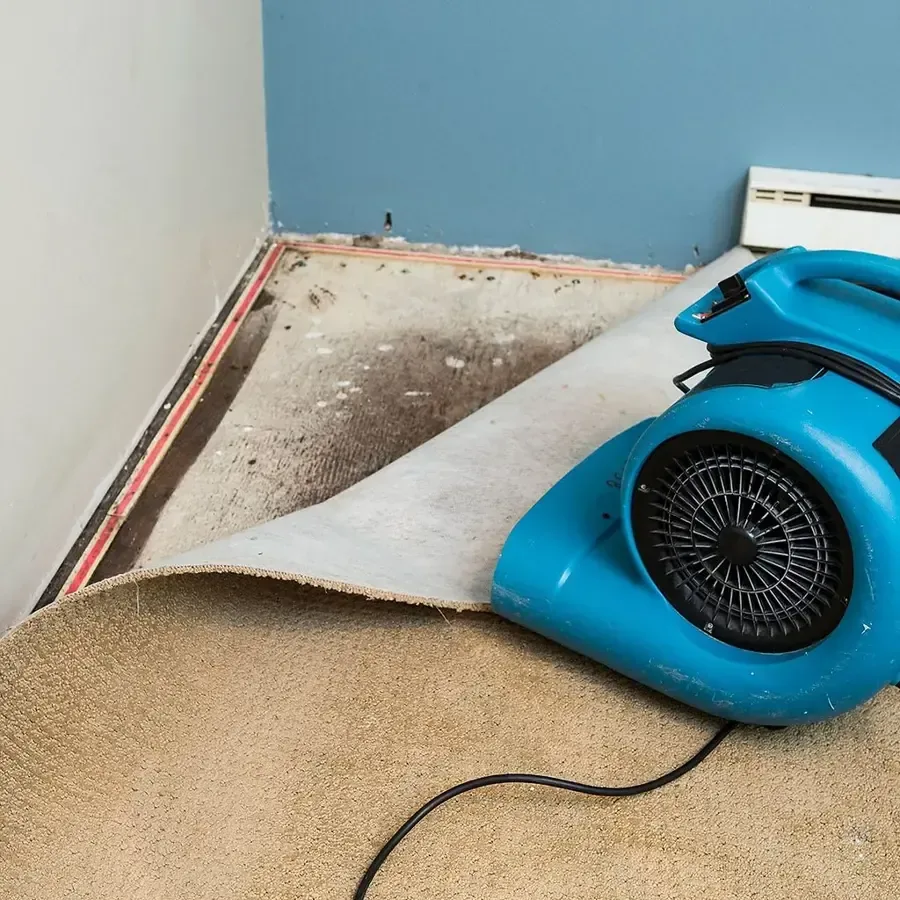
Millburn sits along the West Branch of the Rahway River, which runs through downtown, rises in heavy rain and goes over its flood walls. Short Hills homes on larger lots and the smaller in-town houses near the train station each take on water differently.
Crews arrive with pumps, extraction wands and structural drying equipment, then work from the source of the water to the last wet stud. Each job ends with moisture readings and photos that support the insurance claim.
See how drying worksCrews know Essex County, so a call about rising water starts a plan right away.
Drying follows the IICRC S500 standard, with daily moisture readings that show when each material reaches its target.
Photos, readings and a written scope are kept for the adjuster, so the claim has proof of what was lost.
Basement floods, sewage backups and burst pipes are routine work, handled by a crew that sees these losses often.
Every job moves through the same stages, whatever the source or size of the loss.
Pumps and wands remove standing water first, because drying cannot start while the floor is still under water.
Moisture meters and thermal cameras map the wet areas, and soaked drywall or padding is cut out where it cannot dry.
Air movers push dry air across surfaces and dehumidifiers pull moisture from the room while readings are logged at each visit.
The job closes only when readings match the dry standard, with a final record for the insurer.
Equipment stays on site until walls, floors and framing read dry at each check. The length of the job depends on materials, how deep the water went and how fast drying began.
Category depends on the water source, and it sets the protective gear and the materials that must be discarded.
A supply pipe, tank or faucet leak starts clean, and clean water is the easiest to dry when caught early.
Washer overflow, dishwasher discharge and aquarium water carry some contamination, so porous materials usually come out.
Sewage and river floodwater contain harmful microbes, so porous items they touched are removed and the area is sanitized.
Sewage backup cleanupMost jobs land between $1,000 and $20,000, depending on how much water there is, how long it sat and what it touched. Clean water in one room costs the least, and sewage or a flooded lower level costs the most. Final cost is set after moisture readings show how far the water traveled.
Estimates are rough ranges only. A written scope after the first inspection sets the real number, and the insurer usually works from the same scope.
Adjusters want proof of the loss, so every job builds a record from the first photo to the last reading.
Wide and close images of the water and each damaged item before cleanup.
Logged readings from walls and floors show how far the water spread and when materials reached dry.
A written list of rooms, materials removed and equipment used, matched to the damage found.
A short note on the cause, such as a failed pipe, a tank or river overflow.
Keep every receipt, list damaged belongings and call the insurer early. Throw nothing away until it is photographed. The crew documents the work, but coverage decisions stay with the adjuster and the policy. Early notice helps the claim move along.
ZIP codes 07041 and 07078 are covered across the township, including Short Hills, Wyoming and the center of town, from downtown to South Mountain.
Call any hour and describe the water. Crews head to Short Hills, Wyoming and the rest of town, with pumps and drying gear loaded for the job.
The township has faced three major storm events in about 20 years: Hurricane Floyd, Hurricane Irene and Ida.
As soon as it is safe. Water that sits past the 24 to 48 hour window soaks deeper into drywall, wood and insulation, and the risk of microbial growth and permanent damage climbs.
The river rises in heavy rain, goes over its flood walls and runs into Millburn Avenue and nearby streets. Basements and ground floors take the water, and extraction has to come before drying.
Not entirely. A township official has said flood mitigation reduces how often flooding happens but does not eliminate it. The pump stations work in 20-year and 50-year storms, not a 100-year one.
Yes. Sewage and river water are Category 3, carrying harmful microbes, so porous materials are removed and surfaces sanitized with protective gear. A clean supply leak is Category 1 and often dries in place.
The method is the same, but the scale differs. Larger detached homes on bigger lots can mean more rooms to dry, while the smaller houses, condos and townhomes near the train station have tighter spaces.
New Jersey American Water responds to water main breaks. Once the utility shuts the main off, any water that reached a home still needs extraction, drying and a record for the claim.
When the pump quits during heavy rain, the basement fills fast. Move belongings up, stay clear of outlets and call for extraction before the water reaches finished walls.
Yes. Shops and restaurants along the avenue flooded in Ida, and one restaurant owner said it was his third flood in 20 years. Commercial jobs add containment, after-hours drying and records for the business claim.
Dated photos, moisture readings, an itemized scope and notes on the cause. Keep receipts too, and avoid discarding damaged items before they are photographed. Coverage for flood or sewage losses depends on the policy, so ask the insurer early.
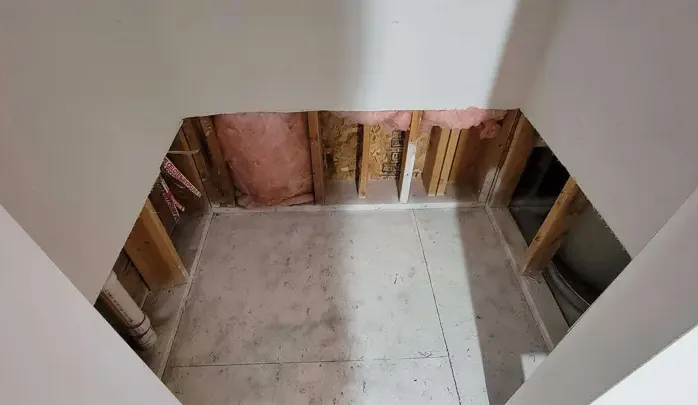
Most jobs take several days. Framing taken down to the studs, as in one Ida basement, has to read dry before it is closed up, and deeper water or wet plaster extends the timeline.
One call starts the extraction plan, the drying schedule and the paperwork the insurance claim will need.