
Is a radiator leak an emergency?
A steady leak should be treated as one, because heating water keeps soaking the floor and can reach the ceiling below. Switch off the system and close the valve until help arrives.
Cold northern New Jersey winters keep heating systems working hard, and a leaking radiator, valve or boiler can wet the floor and the ceiling below. Crews dry both levels.
(888) 471-9821Dry the heating leak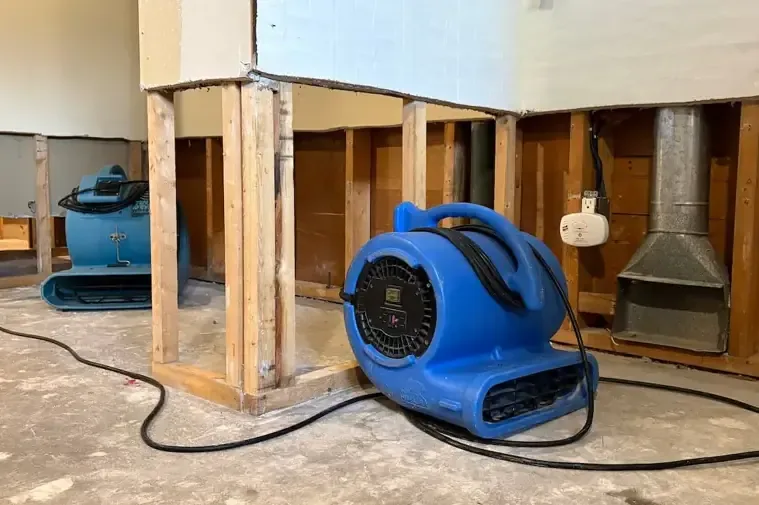
Switch off the boiler or heating zone and let it cool before touching valves, since heating water can scald.
Shut the water feed to the boiler or the supply valve at the leaking radiator, and place a pan or towels under the drip.
Look at the ceiling underneath for stains, sagging or drips, because heating water often travels through the floor before it shows.
A heating technician should repair the leak, while a restoration crew dries the floor, wall base and any ceiling that got wet.
Heating leaks range from a drip at one radiator to a long running boiler room leak. The price follows how much water spread, how many floors it reached and whether finishes like hardwood or plaster were wet. The cards show the printed ranges.
For a planning number on your own loss, try the water damage cost calculator. Ranges are typical, not a quote: the water category, the square footage, the material class and how fast drying started move the final figure, which comes from the walkthrough and the moisture map.
With the system off, standing water is vacuumed from floors, and any pools around the boiler or radiator base are removed before moisture readings begin.
Moisture meters follow the heating water through the subfloor, wall base and the ceiling below, since hot water can spread wider than it looks.
Hardwood, plaster and finished ceilings get targeted drying with air movers, mats and dehumidifiers, while soaked insulation or board is removed.
Readings are repeated until the floor and ceiling match dry reference points, then the equipment is removed and the log is finalized for the file.
Radiators, valves and boilers all work hard through a New Jersey winter, and any of them can start to leak. When one does in Irvington, the water usually spreads along the floor and drops into the ceiling below.
Heating water is warm, often rusty and sometimes treated with additives, so it is not handled like fresh supply water. It stains finishes quickly, and a hot leak can soften plaster and lift hardwood faster than a cold drip. The crew treats the first readings as a map of how far it went.
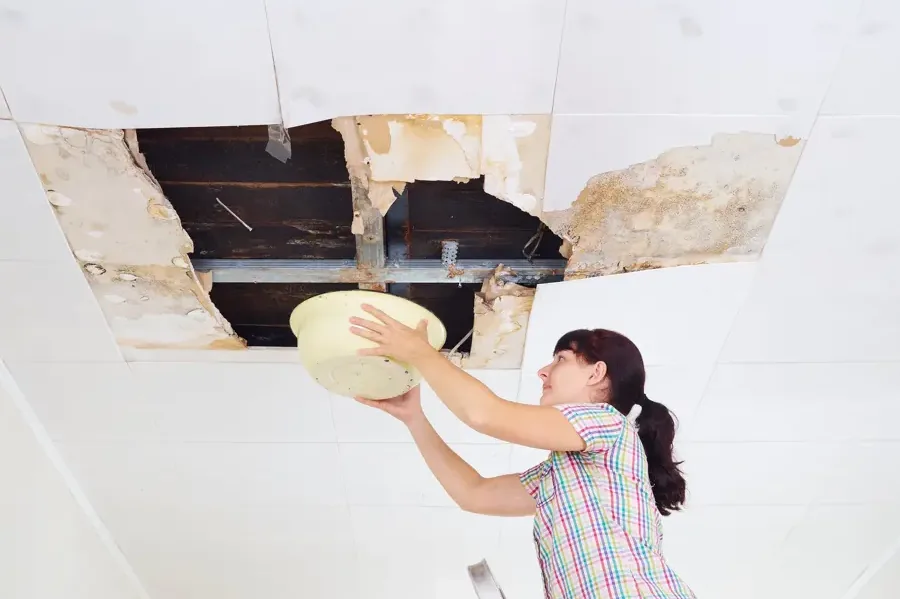
Water that wets a floor often continues into the ceiling below. The crew checks both levels, drains any bulging section and treats the ceiling leak damage as part of the same job, so nothing is left damp above or below the repair.
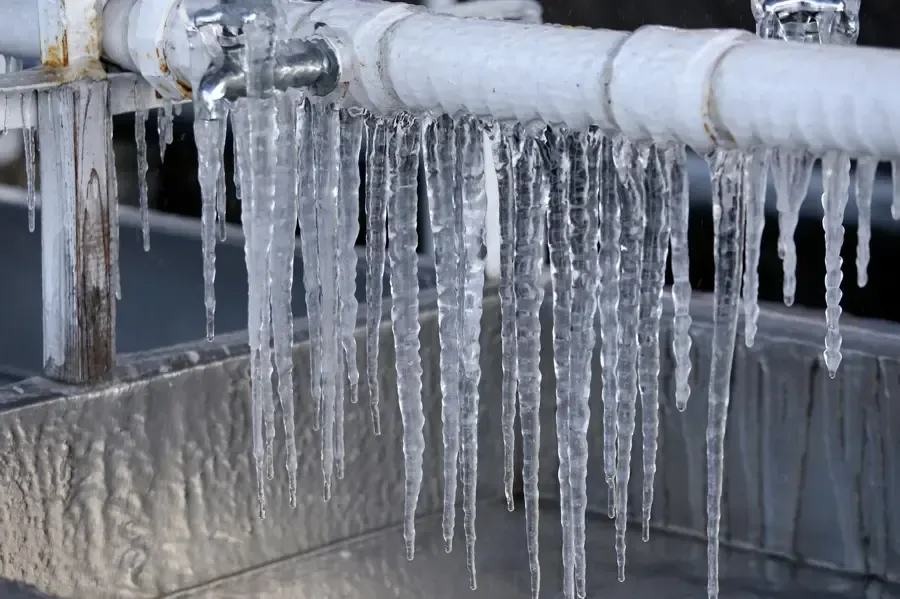
Heating leaks often appear during cold snaps, when systems run for long stretches. A cold week can also freeze exposed pipes, so the frozen pipe page covers that related problem and how the thaw can add to the damage.
Heating leak crews serve ZIP 07111, including Irving Place, the Civic Square area and the Springfield Avenue commercial district, and coordinate with the heating technician when one is on site.
The same service nearby: radiator and boiler leaks in Orange, Millburn, Bloomfield.
A steady leak should be treated as one, because heating water keeps soaking the floor and can reach the ceiling below. Switch off the system and close the valve until help arrives.
It can be hot enough to scald and may carry rust or treatment chemicals. Wait for the system to cool, wear gloves, and avoid touching the water until the boiler is off.
Often, if the leak is caught early and drying starts quickly with mats and controlled airflow. Slow leaks that sat for weeks can cup or stain the boards beyond what drying can fix.
Not always, but it should be checked. Heating water can travel through floor gaps and show as a stain days later, so moisture readings on the ceiling underneath give a clear answer.
A sudden leak is often covered for the water damage, while the cost of repairing the boiler or radiator itself may not be. Check the policy and keep dated photos and invoices.
Two to four days is common for floors and ceilings, though plaster and hardwood often take longer. Readings taken at each visit decide when the equipment can leave.
A heating technician or plumber repairs the system. The restoration crew handles the water damage, and schedules visits around the repair.
Describe where the water appears and what finish is wet, and a crew plans floor and ceiling drying around the heating repair.