

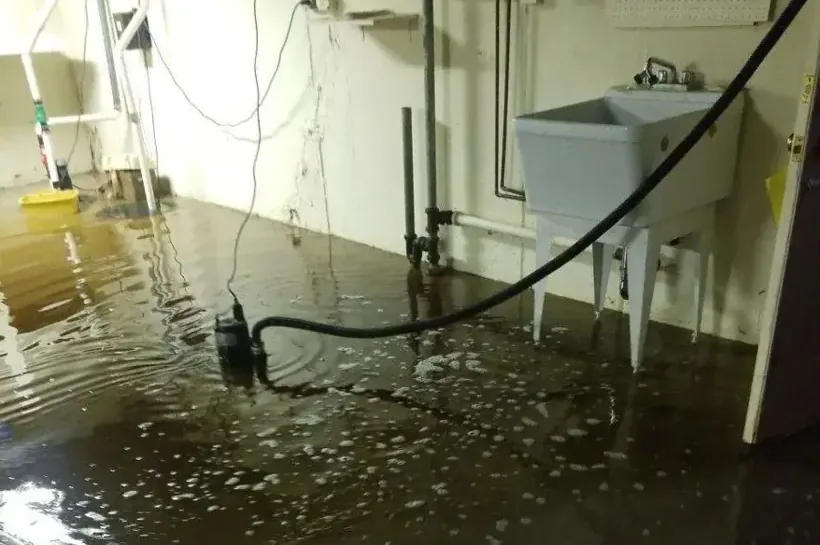
Is flash flood water safe to touch?
No. Flood water carries sewage, chemicals and bacteria, so it is Category 3. Contact should be limited to protective gear, and anything porous that it soaked usually has to be removed.
Summer thunderstorms and heavy rain can flood a ground floor or garage with little warning. Crews pump the water, clear silt and soaked materials, and dry the structure while storm records are fresh.
(888) 471-9821Report storm flooding today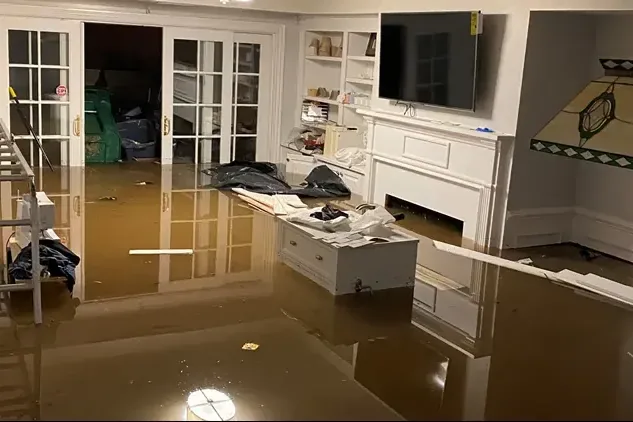
Do not wade into rising water. Flood water can hide debris and live current, so stay on dry upper floors until it stops rising.
Cut power at the main only if the panel is dry and reachable without standing in water. Otherwise leave it for professionals.
Record the water level on walls, the damaged contents and any outside source, such as a blocked street drain or a failed window seal.
Report how deep the water stood and which floors were hit so the crew can bring pumps, extractors and disinfectant.
Storm losses vary widely because flood water is contaminated and often reaches more than one floor. Depth, finish level and how many rooms were hit set the price. The cards below show the printed ranges for typical storm cleanup jobs.
For a planning number on your own loss, try the water damage cost calculator. Ranges are typical, not a quote: the water category, the square footage, the material class and how fast drying started move the final figure, which comes from the walkthrough and the moisture map.
Water is extracted from the lowest level first, then silt, mud and debris are shoveled out so the surfaces underneath can be inspected.
Flooring, pad, insulation and drywall that flood water soaked are cut out and bagged, since contaminated porous materials cannot be reliably cleaned.
Slabs, framing and hard surfaces are washed and treated with an antimicrobial before any drying equipment is set up.
Dehumidifiers and air movers run until readings reach the dry standard, and photos, readings and a material list are kept for the claim.
Storms test drains, roofs and foundations all at once. When flash flooding reaches a home or shop in Irvington, the cleanup has to deal with water, silt and contamination together, and it has to be organized well so insurance records stay complete.
The Elizabeth River runs through the township in a concrete channel with masonry walls. When Tropical Storm Ida's heavy rain made the river overflow in Elizabeth in September 2021, it showed how quickly storm water can climb in this part of New Jersey.
Policies often treat rising surface water differently from a sudden pipe break, so the cause of the loss matters. Crews describe what they find without making coverage promises, and keep records the adjuster can use. Sewage mixed into flood water continues on the sewage backup page.
A flooded lower level needs days of drying, not only pumping. The structure is dried to a measured goal, and larger basement losses follow the basement flooding cleanup process step by step. Every stage is logged so the flood portion of a claim can be separated from other damage.
Storm crews cover ZIP 07111, including the Civic Square area, the Chancellor Avenue corridor and Springfield Avenue, and bring pumps, extractors and disinfectant sized to the flooded floors and the depth of the water.
The same service nearby: storm and flash flood cleanup in Orange, Millburn, Bloomfield.
No. Flood water carries sewage, chemicals and bacteria, so it is Category 3. Contact should be limited to protective gear, and anything porous that it soaked usually has to be removed.
Pumps start with the deepest water, then extractors lift what remains from floors and carpet. Silt is shoveled out and the slab is washed before any drying equipment is set.
Yes, flood contact surfaces are disinfected because runoff mixes with sewage, soil and fuel. Crews treat slabs, framing and hard surfaces with an antimicrobial after the debris is out.
Rarely. Carpet and pad soaked by flood water are normally discarded as Category 3 material. Solid wood, metal and masonry can usually be cleaned and dried instead.
Coverage depends on the policy. Rising surface water often needs a separate flood policy, while storm damage through the roof may fall under standard coverage. Ask the insurer before work, and keep photos.
Pumping and debris removal may take a day or two, followed by several days of drying. Multi floor losses and heavy silt add time, and the final readings decide when the job is done.
A roof leak and a flooded lower level are separate problems, so each gets its own drying plan. The roof leak page covers ceilings and attics, and both are documented in one record.
Share the depth and which floors were hit, and a crew brings the right pumps, extractors and disinfectant for the job.