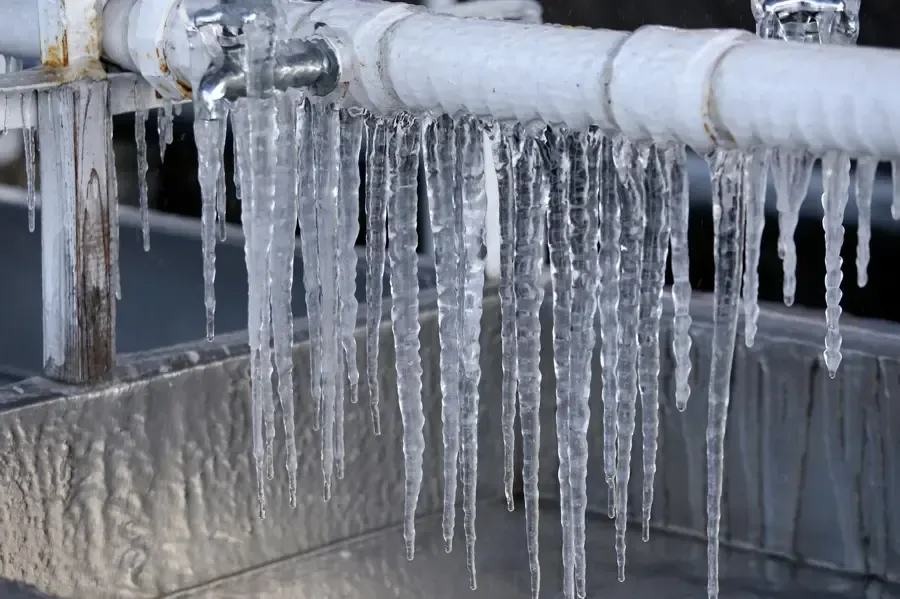


What should I do first when a pipe bursts in Orange?
Shut the main water valve, open a low faucet to drain pressure, cut power to wet rooms from a dry spot, photograph the damage and call for extraction and drying.
The restoration team stops the spread from a split supply pipe, extracts the water, opens only the wall or ceiling needed to reach wet cavities and dries framing and plaster to verified readings.
(888) 471-9821Pipe split? Get it dried now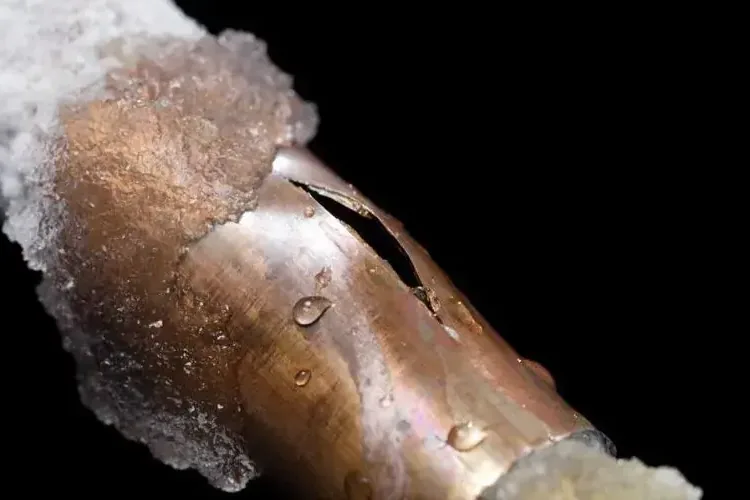
Close the main shut-off, usually in the cellar where the water service enters, so the pipe stops feeding the leak.
Drain the pressure out of the system at a basement sink or laundry tub to slow the drip inside the wall.
If water reached ceiling lights, outlets or the panel, shut those circuits off from a dry spot.
Put buckets under drips, take timestamped photos of the stain, the source and the room below, and call a plumber for the repair.
Burst pipe water damage cleanup here typically costs $1,000 to $18,000 or more. A pipe caught quickly in one wall sits at the low end; a break that ran for hours through two floors sits at the high end.
For a planning number on your own loss, try the water damage cost calculator. Ranges are typical, not a quote: the water category, the square footage, the material class and how fast drying started move the final figure, which comes from the walkthrough and the moisture map.
The tech who does the walkthrough confirms the supply is shut, checks electrical safety and notes where the pipe failed for the plumber.
Thermal imaging and pinless meters trace how far the water ran inside walls, ceilings and subfloor, often well past the visible stain.
The extraction crew pulls standing water, then opens small access holes or removes only sagging or saturated sections.
Air movers, LGR dehumidifiers and injection drying run into the wall and ceiling cavities, with daily readings to the dry goal.
A burst supply pipe pushes clean water under full pressure, so the volume adds up fast. Most of it disappears into walls, ceilings and subfloor, which is why the damage behind the surface is usually larger than the stain suggests.
The city was incorporated in 1806 and was an industrial center from the hat-making era onward, so its buildings span more than a century of plumbing. The restoration team sees breaks come from:
Many older houses still have plaster on wood lath and hardwood floors. Plaster holds water longer than drywall, and hardwood cups as it absorbs. Caught early, both are often dried in place with targeted airflow, drying mats and dehumidifiers rather than torn out. Readings, not appearance, decide when they are dry.
EPA WaterSense lists simple checks for slow leaks before they become breaks, and Ready.gov's winter weather page covers keeping pipes from freezing. The plumber fixes the pipe; the drying team handles the water it left behind.
Once the plumber has repaired the pipe, the drying team keeps the equipment in place until the framing and plaster reach the dry goal. Closing a wall early, before readings confirm it, traps water against the studs and sets up the 24 to 48 hour growth window.
The restoration team covers ZIP 07050 and 07051, from Main Street and the Orange station area out along Central Avenue, Scotland Road and Highland Avenue to the blocks near the East Branch of the Rahway River.
Nearby coverage reaches East Orange, West Orange, South Orange, Glen Ridge, Montclair.
Shut the main water valve, open a low faucet to drain pressure, cut power to wet rooms from a dry spot, photograph the damage and call for extraction and drying.
Not always. Clean water caught early can often be dried inside the wall through small access holes. Drywall or plaster that sags, crumbles or will not dry is removed.
Usually three to five days for one room with clean water. Plaster, hardwood and multi-level leaks take longer. The equipment stays until readings confirm the materials are dry.
Sudden and accidental pipe bursts are commonly covered after the deductible, while the pipe repair itself may not be. Coverage depends on your policy, so check with your insurer.
Yes. Water runs along framing and pools in ceiling and floor cavities. Thermal imaging and moisture meters find it before it shows as a stain or a smell.
A plumber repairs the pipe. The restoration team handles the extraction, the drying and the documentation of the water damage the break caused.
Wet materials can start to support growth within 24 to 48 hours, which is why fast extraction and verified drying matter more than the size of the stain.
Shut the main, then get the water out of the walls before it spreads to the floor below.