

How soon should extraction start?
As soon as the source is stopped and the room is safe to enter. Water left standing wicks into drywall and subfloor, so every extra hour widens the repair.
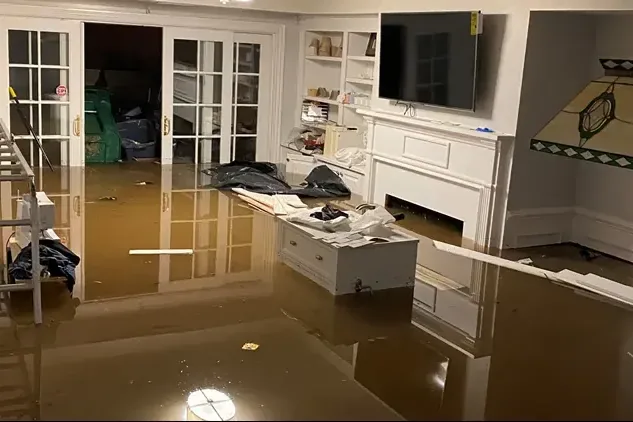
When a main break, a storm or a failed fixture puts water on the floor of a home, the standing water is pulled out first so it cannot keep soaking into the materials below.
(888) 471-9821Call to pull the water out
Shut the fixture valve or the main shutoff first, since extraction cannot keep ahead of a source that is still running.
Stay out of rooms where water reaches outlets or cords, and let an electrician make them safe before anything is plugged in.
Capture the waterline, the flooring and the damaged contents before furniture moves, because adjusters ask for these images.
Describe the depth and the source over the phone so the right pumps and hoses are loaded for the job.
Extraction alone usually runs $500 to $9,000 or more. The range follows the depth of the water, the number of rooms involved and whether the water is clean or contaminated, and a written scope sets the final number.
For a planning number on your own loss, try the water damage cost calculator. Ranges are typical, not a quote: the water category, the square footage, the material class and how fast drying started move the final figure, which comes from the walkthrough and the moisture map.
A technician confirms the water is stopped, rates its category, and notes every room, wall base and material it touched before any pump is started.
Submersible pumps clear deep water, then weighted wands draw moisture out of carpet, tile grout and stair treads.
Meters and a thermal camera mark every wet wall base and floor edge so drying equipment goes where it is needed.
The crew leaves a written readout of what was removed, so air movers and dehumidifiers pick up exactly where the pumping stopped.
Extraction is the first real job in any flood. The longer water sits, the further it climbs into drywall, trim and flooring, so pumping begins before demolition or rebuilding is even discussed. In a township of brick houses on a tight grid, that urgency is the same on every street, and the crew works through one room at a time.
Water gets into Nutley homes from a main break, a storm that overwhelms a drain or a fixture that fails inside the walls. Yanticaw Brook and the Third River cut through the street grid, so heavy rain is part of the picture too.
Bulk water comes out first, then wet carpet pad, soaked insulation and swollen cabinet kick plates are judged one by one. Solid wood, tile and most framing can stay if they dry in time, because they release water slowly and recover well. Anything touched by sewage or long standing water usually goes to the curb, and the crew explains each choice to the owner so the claim file matches the work that was actually done.
Pumping never finishes a job alone. Once the surface water is gone, structural drying removes what is trapped in framing, and the main extraction page lists the same method used across the wider service area, so the steps stay consistent from one town to the next.
Extraction crews work across ZIP code 07110, from Avondale and Glendale to the streets near Memorial Park and the Passaic River edge of the township, in homes, apartments and shops alike.
The same service nearby: water extraction and removal in Orange, Bloomfield, Verona.
As soon as the source is stopped and the room is safe to enter. Water left standing wicks into drywall and subfloor, so every extra hour widens the repair.
A household vacuum clears a puddle but not water in carpet pad, grout lines or wall bases, and it can be damaged by the water itself. Pumps, wands and meters find and remove what a vacuum leaves behind.
Storm and creek water is treated as contaminated, so crews wear protective gear, bag ruined porous items and clean the surfaces that stay.
Extraction is the first stage. Air movers and dehumidifiers follow, and readings decide when the structure is truly dry.
Carpet that sat in clean water for a short time can often be lifted and dried. Contaminated water means the carpet and pad go.
Small valuables, papers and electronics move to a dry room before the crew arrives. Heavy furniture can stay for the crew to block up or lift.
Yes. Dated photos of the waterline, the damaged contents and the equipment in place give the adjuster a clear view of the loss and of the speed of the response.
Describe how deep it is and where it came from, and a crew is lined up to pull it out.