
Is sewage water dangerous to touch?
Yes. It carries bacteria and viruses that can cause illness, so skin contact and breathing the spray from cleaning should be avoided.
A sewage backup is contaminated water, not an ordinary spill. The area is sealed off, the wet materials removed, and every surface that stays is cleaned, sanitized and dried.
(888) 471-9821Get the backup contained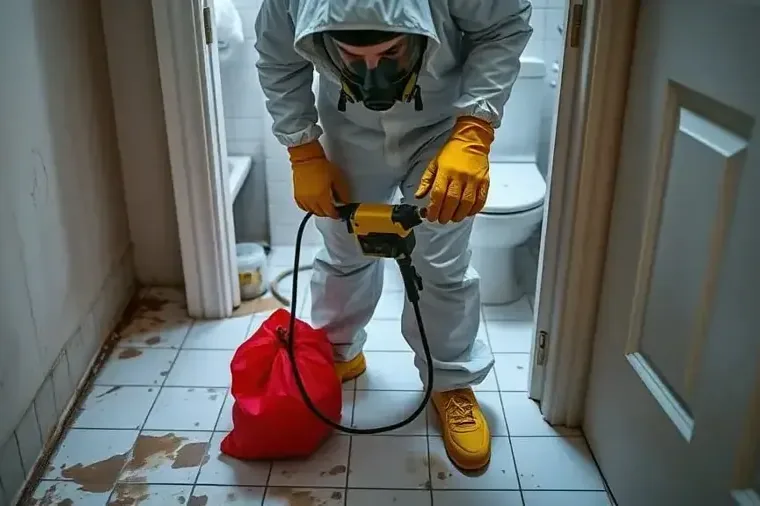
Keep everyone, especially children and pets, out of the affected room, and do not use the drains that backed up.
Spreading sewage with a mop or a shop vacuum carries bacteria into clean rooms and ruins the vacuum.
Photograph the water and the damaged items from the doorway without stepping in, then wash your hands.
Describe where the backup came from so the crew brings plastic sheeting, protective suits and a sealed disposal plan.
Sewage backup cleanup usually runs $2,000 to $30,000 or more. The range depends on how much floor area was touched, how far the water traveled, and how many porous materials must be removed.
For a planning number on your own loss, try the water damage cost calculator. Ranges are typical, not a quote: the water category, the square footage, the material class and how fast drying started move the final figure, which comes from the walkthrough and the moisture map.
Plastic barriers and negative air keep airborne particles from reaching the rest of the house during the work.
Wet carpet, pad, insulation and lower drywall are bagged and carried out in sealed containers.
Hard surfaces are scrubbed with a cleaner first, then treated with an antimicrobial so the stay-in-place materials are safe.
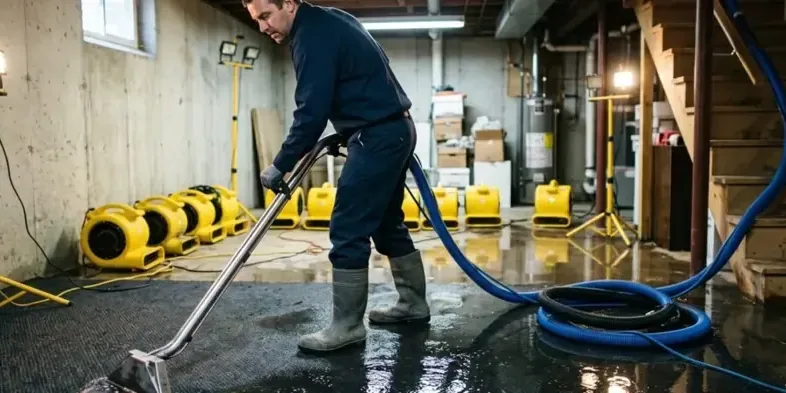
Air movers and dehumidifiers finish the job, and moisture and odor checks confirm the area is ready to rebuild.
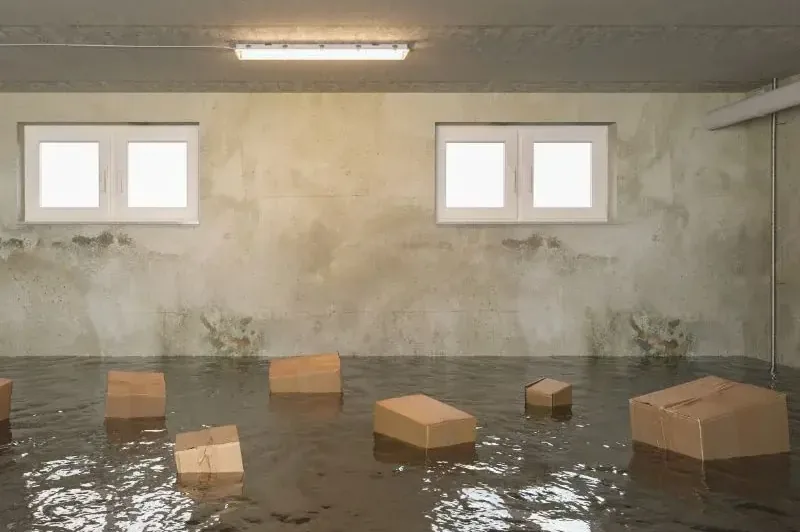
Sewage water carries bacteria and viruses, and it does not become safe by drying. Handling it correctly means isolating the space first and treating everything it touched as contaminated until proven clean. The same logic applies to a tub overflow, a floor drain reversal or a toilet that backs up, and it applies whether the spill covers one corner or an entire floor. Time matters, because bacteria multiply in warm damp spaces and odors soak into porous finishes.
Cleaning without barriers pushes contaminated droplets and dust into the rest of a home or shop. Sheeting, taped seams and controlled airflow keep the work contained, which protects family members, neighbors in shared buildings and the clean rooms of a home, and keeps the cleanup area from growing as the work proceeds.
In a built-out township like Nutley, a backed up drain can affect one home or several, and the cause may sit outside the property. The crew documents the loss and the source so the owner, the township and the carrier see the same facts. In apartment buildings and multi unit houses, the crew also notes which units were reached, since the same water can show up in more than one home.
When the area is clean and meters read dry, rebuilding can begin. See structural drying for the drying stage and basement flooding cleanup for lower levels that took on water. Rebuilding crews can start only after the clean and dry readings are logged, which protects the new drywall and flooring from hidden damp spots.
Backup cleanup covers ZIP code 07110, including Glendale, Avondale and the apartments and shops along Franklin Avenue, and every job gets containment, protective gear and a documented disposal plan, whether the home is a house, a unit or a shop.
The same service nearby: sewage backup cleanup in Orange, Bloomfield, Verona.
Yes. It carries bacteria and viruses that can cause illness, so skin contact and breathing the spray from cleaning should be avoided.
Carpet and pad that touched sewage are removed and discarded. Hard flooring such as tile and concrete can be cleaned and sanitized.
Sealing stops contaminated particles from traveling to clean rooms and keeps the exposure of everyone in the building contained until the work is done.
Removing the source materials does most of the work. Cleaning, antimicrobial treatment and air scrubbing finish it, and a final check confirms the room smells normal before the barriers come down.
Many policies treat backup coverage as an add on, so the policy language decides. Photos and records of the loss help the adjuster assess it.
Usually the contaminated rooms are off limits during work. The crew explains which areas are safe and which bathrooms or drains to avoid.
Repeat backups point to a drain or main problem that needs a plumber or the township. The cleanup crew can document each event for the owner and the carrier.
Tell the dispatcher where it came from and how far it spread, and a trained crew is sent.