

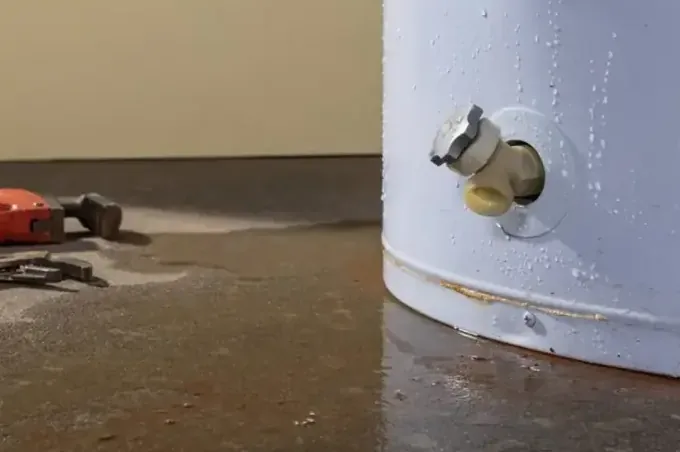
Who fixes the leaking radiator or boiler?
A heating professional repairs the equipment. The restoration crew extracts the water and dries the building, and the trades work in sequence.
Older heated houses often have radiators or a boiler that can leak at a valve, a seam or a joint. The heating water is stopped, extracted and the floors and ceilings below dried.
(888) 471-9821Call about the heating leak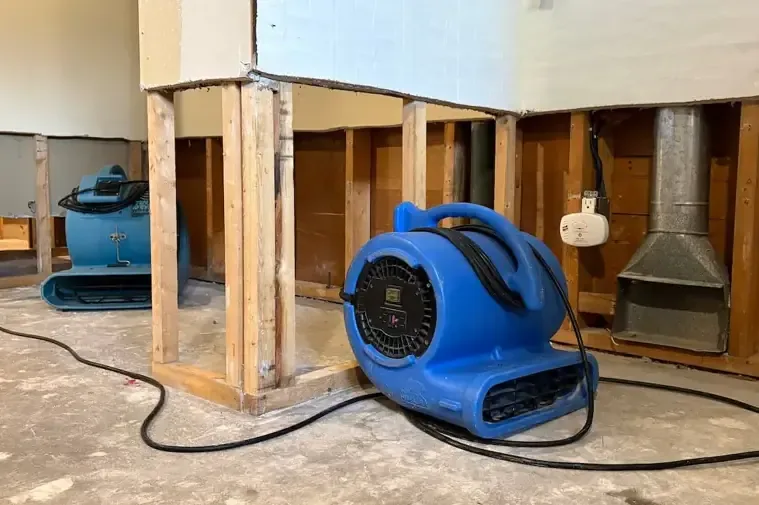
Shut the boiler and close the radiator valve, since hot water keeps escaping while the system runs.
Let hot pipes and radiators cool, because steam and scalding water injure skin faster than most people expect.
Use towels and buckets, lift rugs and keep electronics away from the damp spot.
Photograph the leaking spot and the wet floor, then call so a crew can extract and check the rooms below.
Radiator and boiler leak cleanup usually runs from $600 to $12,000 or more. A small valve leak caught fast costs the least, while a boiler room or a long leak over finished space costs the most, and a written scope sets the number.
For a planning number on your own loss, try the water damage cost calculator. Ranges are typical, not a quote: the water category, the square footage, the material class and how fast drying started move the final figure, which comes from the walkthrough and the moisture map.
The crew confirms the boiler and valves are off, checks for hot surfaces and identifies where the heating water traveled through the floor, along pipes and into any neighboring rooms.
Wands and small pumps remove water from floorboards, carpet and the base of walls so it cannot reach the ceiling below.
Meters and thermal images check the subfloor, plaster and joist space, since old floors hold moisture between layers.
Air movers and dehumidifiers run at a gentle pace on aged wood, which prevents cupping and splitting while the structure dries.
Radiator and boiler leaks are a general risk in older heated houses. Valves weep, seams give way and a bleeder opens, and the water that escapes is often warm and slightly dirty. Because heating pipes run through floors and walls, a small drip can travel a long way before anyone sees it. The crew starts by finding the full path of the water.
Water from a closed heating system sits in iron and copper for years, so it can carry rust and sediment. It is not drinking water, and it stains plaster and flooring quickly. Cleanup treats it with care, removing porous materials that soaked it up while drying solid wood and masonry.
Old hardwood and plaster react to fast drying, so heat and airflow are balanced with care, and the pace is slowed whenever the boards begin to lift. The crew watches readings between visits and adjusts equipment to avoid cupping, cracking and paint failure, and notes the condition of old finishes before work begins so nothing is blamed on the drying. If a section is too wet to save, it is cut out in a clean shape for easy patching.
After the leak is repaired, drying finishes the job. Learn more about structural drying or read about ceiling leak water damage when water reaches the floor below.
Heating leak cleanup covers ZIP code 07110, including Glendale, Avondale and the apartment buildings and brick houses near Franklin Avenue and Kingsland Park, around the clock, from a leaking valve to a flooded boiler room.
The same service nearby: radiator and boiler leaks in Orange, Bloomfield, Verona.
A heating professional repairs the equipment. The restoration crew extracts the water and dries the building, and the trades work in sequence.
No. It has sat in metal pipes for a long time and can carry rust and sediment, so soaked porous materials are usually removed.
Often yes if drying starts early and moves at a controlled pace. Fast heat can cup the boards, so airflow is balanced carefully.
Look for stains, bubbling paint or a soft sag. Crews also use a moisture meter and a thermal camera to find hidden damp spots.
Leave the system off until the leak is repaired. After that, the heat may help drying, and the crew will tell you when to restart it.
Sudden leaks are often covered, while slow seepage may not be. Dated photos and moisture logs help the adjuster review the case.
A single room usually dries in several days. Two levels or plaster take longer, and meter readings decide the end, not a fixed schedule.
Say where the water is and which floors are wet, and a crew will bring the right pumps and dryers.