
Can the business stay open during drying?
Often partly. Barriers separate wet areas from open ones, and crews can work after hours to reduce the impact on customers.
Franklin Avenue shops, offices and fringe industrial areas such as parts of Kingsland Street face water losses that stop business. The water is extracted and drying plans keep downtime short.
(888) 471-9821Call about the business loss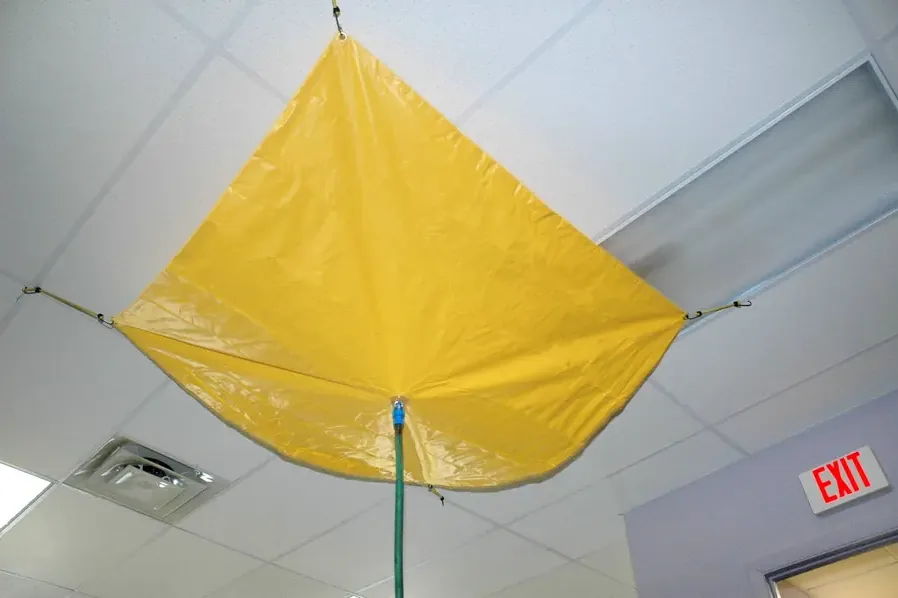
Close the water valve or sprinkler shutoff for the affected area, and tell the building manager right away so neighbors can protect their space.
Cover or move inventory, files and electronics off the floor, and keep staff out of wet or sagging areas.
Turn off circuits for wet rooms only if you can reach the panel safely, and leave the rest to a qualified person.
Photograph the damage and the stock affected, then call so a crew can plan extraction and drying around operations.
Commercial water damage usually costs $3,000 to $75,000 or more. One suite or storefront sits at the low end, while several units, multiple floors or a Category 3 loss lift the range considerably, and a written scope fixes the figure.
For a planning number on your own loss, try the water damage cost calculator. Ranges are typical, not a quote: the water category, the square footage, the material class and how fast drying started move the final figure, which comes from the walkthrough and the moisture map.
The crew walks the space with the manager, notes tenants and equipment affected, and sets a plan that keeps parts of the business open.
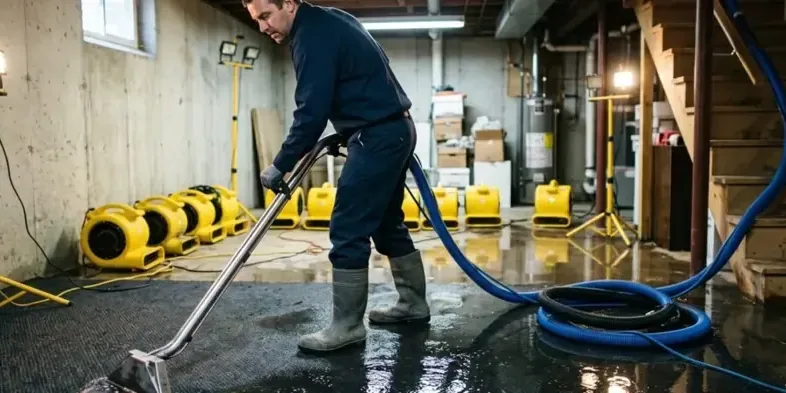
Barriers protect dry areas while pumps and wands clear water from floors, carpet, and the spaces behind counters.
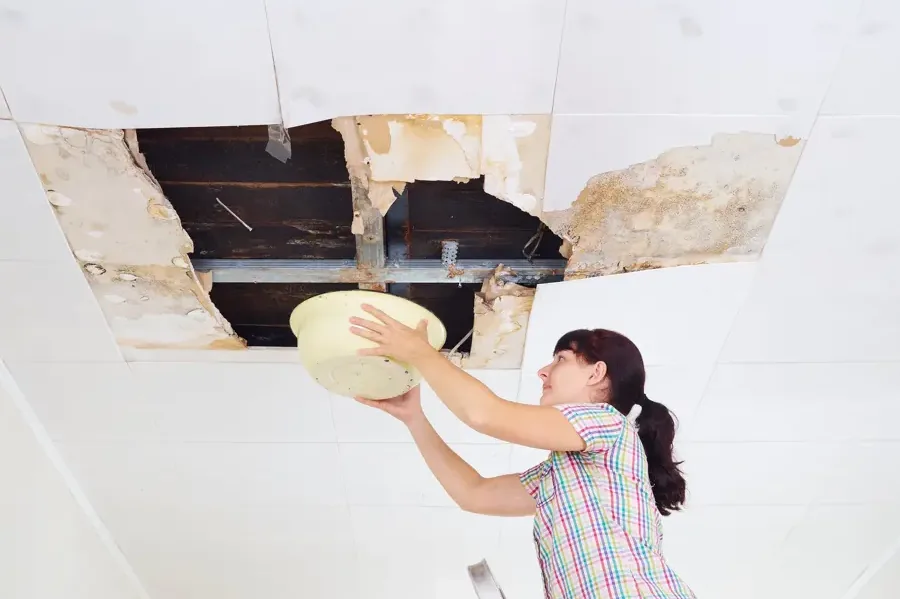
Wet ceiling tiles, drywall and flooring are removed, and surfaces are cleaned and treated where the water was contaminated.
Dehumidifiers and air movers run with daily readings, and a full report goes to the owner, the manager and the insurer.
When water reaches a business, every hour of closed doors costs money. A commercial loss is planned around customers, staff, stock and neighbors in a shared building, not just the wet floor. Drying a restaurant kitchen, a salon, an office floor and a small warehouse each call for a different layout of equipment and barriers.
Franklin Avenue is the main shopping street and the center of the original village of Franklinville, and its shops and offices share walls, ceilings and pipes. Industry is limited to fringe areas such as parts of Kingsland Street. A leak in one unit can reach several others, so the crew checks the neighbors early, along with shared walls, ceilings and the basement or storage areas below the shops.
Crews can work after hours, in phases or behind barriers so part of the space stays open. Stock, files and equipment are lifted or moved, and the crew keeps a list of what was affected for the claim. Doors, signs and walkways are kept clear so customers and staff can still reach the open parts of the building.
Dry reports matter to owners, landlords and insurers. See structural drying for the equipment and water extraction for the first stage of every loss.
Commercial crews cover ZIP code 07110, including Franklin Avenue shops, offices on Bloomfield Avenue and the fringe industrial areas along Kingsland Street, at any hour, including nights and weekends, in single units and shared buildings alike.
The same service nearby: commercial water damage in Orange, Bloomfield, Verona.
Often partly. Barriers separate wet areas from open ones, and crews can work after hours to reduce the impact on customers.
Photos, moisture logs, an equipment list and a scope of removed materials give insurers and landlords a complete picture of the loss and the work done.
The crew documents each affected unit and works with the manager so every tenant receives the same moisture data.
Inventory and files are lifted off the floor, covered or moved, and damaged items are listed for the claim.
A single suite can take several days, while multiple floors or contaminated water take longer, and readings decide the end.
Yes. Contaminated water is contained, removed and cleaned using protective gear, and the area is dried and checked before reopening to customers.
Describe the space and the damage, and the dispatcher lines up a crew that works around operations.