Is it safe to enter a flooded basement?
Not while water is above outlets or near a panel. Wait for the power to be shut off by a qualified person before wading in, and wear rubber boots even then.
In homes with a basement or cellar, storm runoff near Yanticaw Brook or the Third River, or a broken main, can fill the space fast. The water is pumped out, contents sorted and the structure dried.
(888) 471-9821Call about the flooded cellar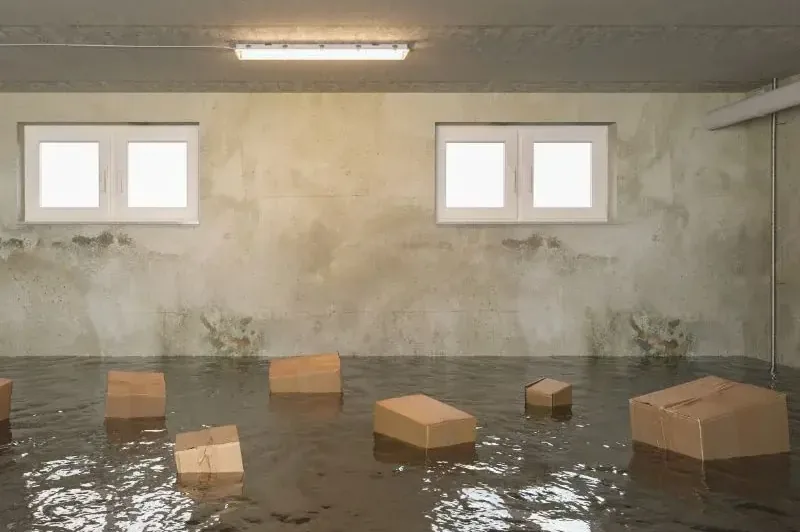
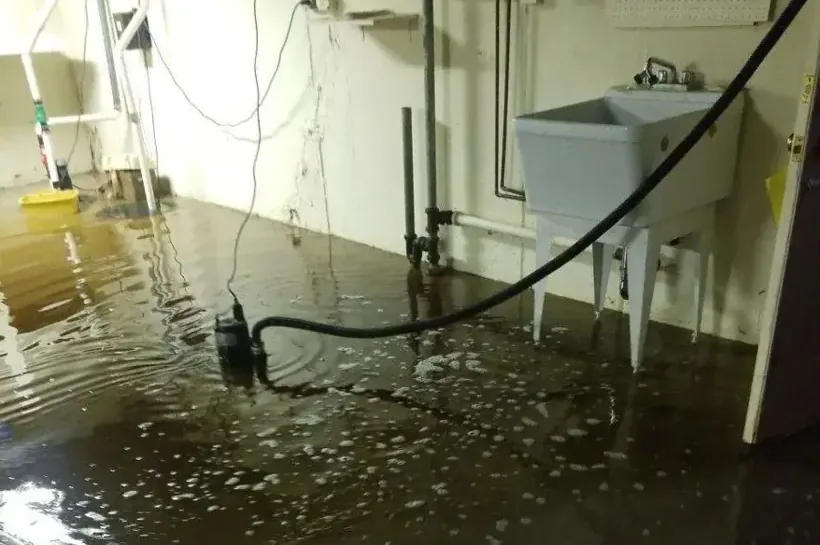
Do not walk into deep water, because outlets, a furnace or a panel below the waterline can energize it.
If the breaker panel is dry and upstairs, switch off the circuits for the lower level and leave the rest to a pro.
Carry boxes, papers and keepsakes from upper shelves to a dry floor, and leave heavy items for the crew.
Ask first, because pumping too quickly from a saturated yard can stress block walls and floors.
Basement flooding cleanup runs from $1,500 to $25,000 or more. Depth, finishing level and whether the water carried sewage decide the figure, and a written scope comes before demolition, so the owner sees the number first.
For a planning number on your own loss, try the water damage cost calculator. Ranges are typical, not a quote: the water category, the square footage, the material class and how fast drying started move the final figure, which comes from the walkthrough and the moisture map.
The crew finds the waterline, the entry point and any electrical or fuel equipment that needs to be left alone.
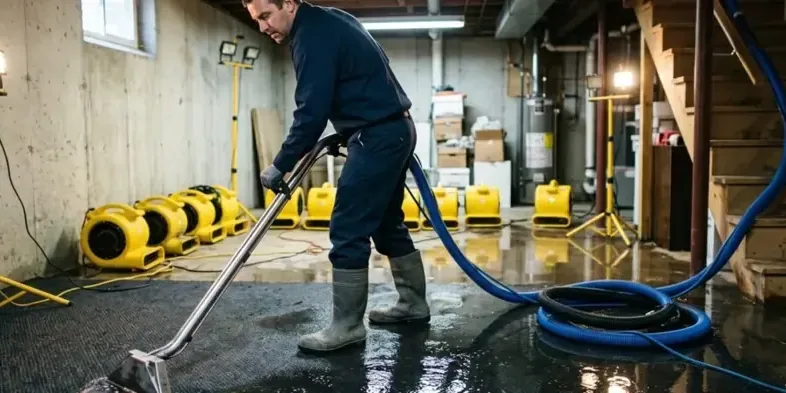
Water is lowered in stages while the yard soil outside is checked, so walls and slab are not stressed.
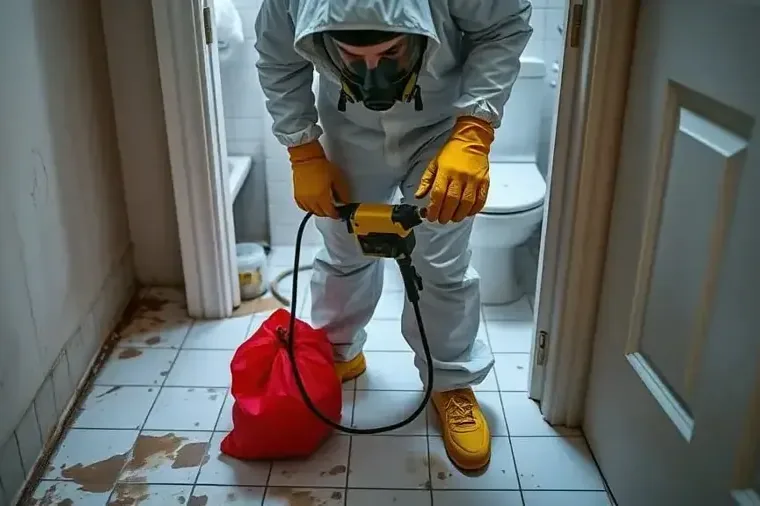
Ruined carpet, pad and lower drywall go out, while furniture and boxes are photographed and sorted into keep and discard.
Dehumidifiers and air movers run until block, wood and concrete meter at normal levels for the house, and the crew returns to check the readings.
A flooded lower level is never only a water problem. Storage, a furnace, a laundry area and finished rooms can all sit in the same space, and each reacts differently to hours underwater. The cleanup is planned around all of them, starting with the power and the fuel sources, and then the water, the contents and the structure.
Two local patterns stand out. Yanticaw Brook and the Third River run through Nutley's street grid, so storm runoff can reach yards and doors. A main break, like the October 2022 failure along Bloomfield Avenue, can also send water across streets in front of homes.
Photographs, documents and solid wood furniture can often be dried and cleaned. Particleboard, mattresses and soaked boxes seldom recover, and carpet that sat in dirty water is removed. The crew lists each item for the adjuster before disposal, which keeps the claim file complete and gives the owner a record of what was thrown away and why.
Masonry holds water longer than drywall, so the final stage takes patience and repeat readings, since concrete can look dry on top while it stays damp inside. For rooms that need more airflow, see structural drying, and for water that carried sewage read about sewage backup cleanup.
Cleanup crews serve ZIP code 07110, including Yanticaw and the streets along the Third River, Franklin Avenue and the Belleville border, as well as Avondale, Glendale and the blocks near Kingsland Park.
The same service nearby: basement flooding cleanup in Orange, Bloomfield, Verona.
Not while water is above outlets or near a panel. Wait for the power to be shut off by a qualified person before wading in, and wear rubber boots even then.
A shallow bare cellar can dry in several days. Finished rooms, wet block and deep water stretch the schedule, and meter readings decide when it ends rather than a set number of days.
Soil outside may still be saturated, and a sudden drop inside can load walls and the slab unevenly. Staged pumping avoids that stress.
Clean water that is caught early sometimes allows drying in place. Drywall that wicked contaminated water, or sat for days, is cut out.
Photographs, documents and solid wood pieces respond well. Crews photograph each item first so the claim lists what was lost, and the owner keeps a copy of that list.
The cause is stated in the policy language, so the adjuster decides. Documentation of the source and the damage helps either way.
Once readings are normal, odors are gone and any removed materials are replaced. The crew explains what is safe to use before then.
Tell the dispatcher how deep the water is and what is down there, and the right crew is sent.