

How do I find the main shutoff?
It is usually where the supply pipe enters the house, often near the water meter or the utility area. Turning it fully clockwise stops the flow.
A split pipe can soak plaster, floor joists and ceilings below before the leak is even seen. The water is shut off, extracted, and the wet cavity is opened and dried.
(888) 471-9821Report the split pipe
Find the shutoff where the supply enters the house and turn it fully, then open a low faucet to drain what remains.
If water is dripping near outlets, fixtures or a panel, turn off those circuits from a dry spot before anything else.
Place buckets, lift rugs and move electronics and papers away from the wet area while the leak is controlled.
Record the burst section and the wet surfaces, then call so a crew can extract the water and check hidden walls.
Burst pipe cleanup usually costs between $1,000 and $18,000 or more. The figure follows how long the pipe ran, how many floors it reached and how much plaster, flooring or ceiling must come out.
For a planning number on your own loss, try the water damage cost calculator. Ranges are typical, not a quote: the water category, the square footage, the material class and how fast drying started move the final figure, which comes from the walkthrough and the moisture map.
The crew checks that the supply is truly off, finds the failed section and notes every wall, floor and ceiling the water reached.
Water on the floor is pumped out, then a meter and a thermal camera trace moisture inside plaster, joists and the ceiling below.
Only the wet wall or ceiling sections are cut out, in neat lines, so the repair stays small and the cavity gets air.
Air movers and dehumidifiers run until readings match dry reference points, and the crew gives the owner the full log.
A burst pipe is one of the fastest ways to turn a normal house into a wet one. Supply pipes carry pressure, so a split sprays or pours water for as long as the valve stays open, and the water follows framing down into rooms that look untouched. Within a short time, plaster, trim and flooring on two levels can be wet, even though only one pipe failed.
Nutley is known for tree streets and brick houses, and masonry exteriors keep a wall cavity warm and closed. That helps a pipe stay protected, but it also lets a leak run unseen. The Nutley Water Department supplies the township, and its notices matter if pressure or color changes at the tap.
Crews read moisture first and cut second. A neat opening above the baseboard or a single ceiling section often exposes everything that needs to dry, and it keeps the repair far smaller than a full gut, which saves both time and money for the owner. Insulation soaked in the cavity is removed, while framing is dried in place.
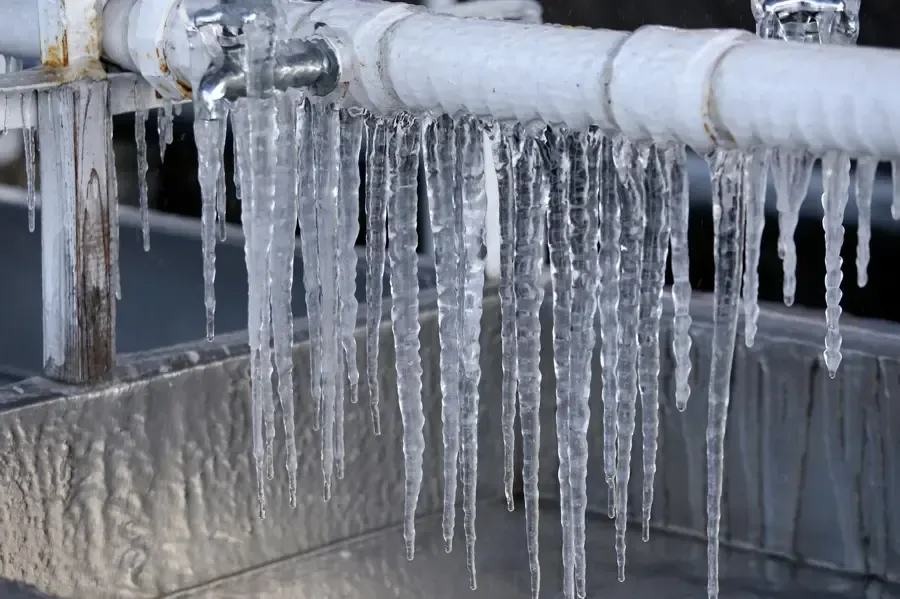
The plumber repairs the pipe, and the drying crew handles the rest. Related work includes frozen pipe damage and structural drying, both of which follow the same moisture logging method.
Pipe leak crews work across ZIP code 07110, including Avondale, Glendale and the streets around Kingsland Park, Booth Park and Franklin Avenue, in houses, apartments and shops, with crews available at any hour.
The same service nearby: burst pipe water damage in Orange, Bloomfield, Verona.
It is usually where the supply pipe enters the house, often near the water meter or the utility area. Turning it fully clockwise stops the flow.
Yes. A slow split inside a wall can run for weeks, staining paint and softening plaster long before water reaches the floor.
No. Meters and thermal images show which sections are wet, and clean water caught early can sometimes be dried through small holes.
A plumber repairs or replaces the pipe. The restoration crew extracts and dries, and the two trades work in sequence.
Usually several days for one or two rooms, and longer where plaster or flooring is thick. Daily readings decide when the machines come out, so the date is never guessed.
Sudden pipe failures are often covered, while slow seepage may not be. The adjuster checks the cause, photos and moisture logs.
Usually yes for a small loss, though equipment is loud and some rooms may be off limits during demolition. The crew explains which areas are safe to use.
Tell the dispatcher where the water is running, and a crew is lined up to extract and dry it.