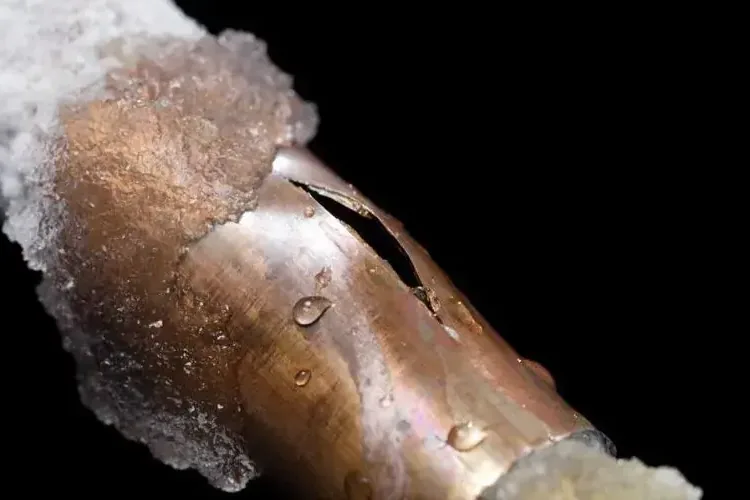
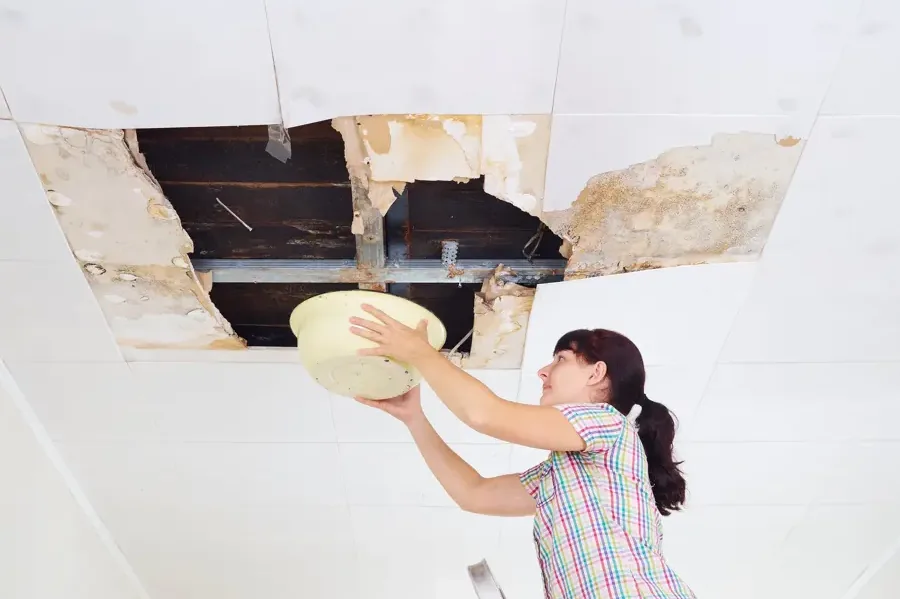

Why does a frozen pipe leak only after it thaws?
Ice plugs the crack while the pipe is solid. When the ice melts, water flows through the split under full pressure.
Winter cold can freeze a supply pipe in an exterior wall or an unheated space, and the real damage appears at the thaw, when the split starts to pour. The water is stopped, extracted and the structure dried.
(888) 471-9821Report the thawed pipe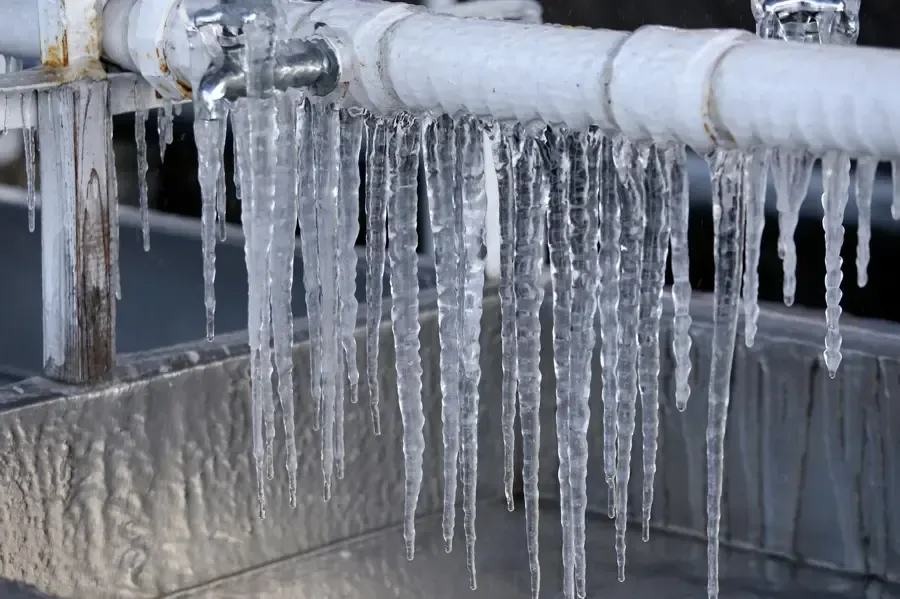
Close the main valve before thawing anything, because a cracked pipe pours as soon as the ice melts.
Leave cold taps open so melted water has a place to go, and never use a flame to warm a pipe.
Check ceilings, wall bases and cabinet floors near the frozen run for dark patches, bubbling paint or drips.
Describe where the pipe split and which rooms are wet so a crew can bring pumps and a thermal camera.
Frozen pipe cleanup usually runs from $1,200 to $20,000 or more. A break caught at the thaw costs far less than one that ran for days while nobody was home to notice the water, since the damage grows with every hour of flow.
For a planning number on your own loss, try the water damage cost calculator. Ranges are typical, not a quote: the water category, the square footage, the material class and how fast drying started move the final figure, which comes from the walkthrough and the moisture map.
The crew confirms the supply is shut off, protects electrical gear, and notes every surface the thaw water reached on its way down.
Pumps and wands clear standing water, and wet insulation is bagged so it cannot hold moisture against framing and plaster.
A meter and thermal camera direct small, neat openings at the pipe run and the ceiling below, so hidden pockets are found.
Air movers and dehumidifiers run until every cavity reads dry, and the written log goes to the owner and the adjuster.
Frozen pipes are a general Northeast winter risk, and they bite hardest in rooms that stay cold: exterior walls, a garage wall, a closet over an unheated space or a bath near the roof. A pipe often cracks while frozen, and nobody sees a thing until the ice turns back to water.
Ice blocks the split like a plug, so the leak starts only when temperatures rise or someone turns on the heat. That is why many frozen pipe calls begin on a mild afternoon after a cold night, with water already running inside a wall in a Nutley house with tree streets outside.
Water seldom stays where the pipe split. It runs down the framing into the ceiling below, soaks insulation and shows up as a stain a day later. The crew checks both levels with meters and a thermal camera, then opens only the sections that read wet.
Frozen pipes are close cousins of a burst pipe, and the drying follows the same plan described under structural drying.
Thaw cleanup is available across ZIP code 07110, including Avondale, Glendale and Yanticaw, and in the older brick homes near Memorial Park and Franklin Avenue, at any hour, including the first mild afternoon after a hard cold spell.
The same service nearby: frozen pipe water damage in Orange, Bloomfield, Verona.
Ice plugs the crack while the pipe is solid. When the ice melts, water flows through the split under full pressure.
If the pipe has not split, warm air from a hair dryer can help. Never use a flame, and shut off the main first in case it has cracked.
A supply pipe can pour a great deal of water through a small crack, so a few hours of flow can soak a ceiling and the room below.
Wet batt insulation holds water against framing and loses its value, so it is usually removed. Foam board and framing often dry in place.
Sudden freeze damage is often covered, though policies differ. Keep photos, the repair invoice and the drying log for the adjuster.
Insulate pipes in cold spaces, keep the heat on in empty rooms and let a tap drip during hard cold. A plumber can reroute risky runs.
Most single wall losses dry in several days. Wet ceilings and multi level cases take longer, and meter readings decide the finish.
Say which rooms are wet and where the pipe sits, and the dispatcher sets the crew moving.