What should be done when a radiator leaks?
Close the radiator valve if it is safe, turn off the boiler and catch the drips. Check the ceiling below for stains, then call for extraction and drying.
Boilers in local basements were lost to Ida flooding, and any boiler or radiator leak should be stopped and the area dried quickly. Leaks run down into floors and ceilings below.
(888) 471-9821Dry the heating leak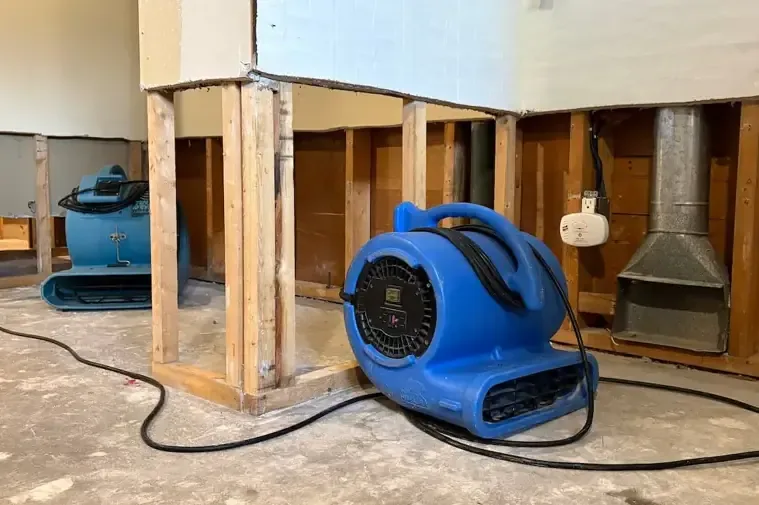
Switch off the boiler and close its water feed valve, then let hot parts cool before anyone touches a pipe or radiator.
Place towels and buckets under the leak and shut the radiator valve if it can be reached without touching hot metal.
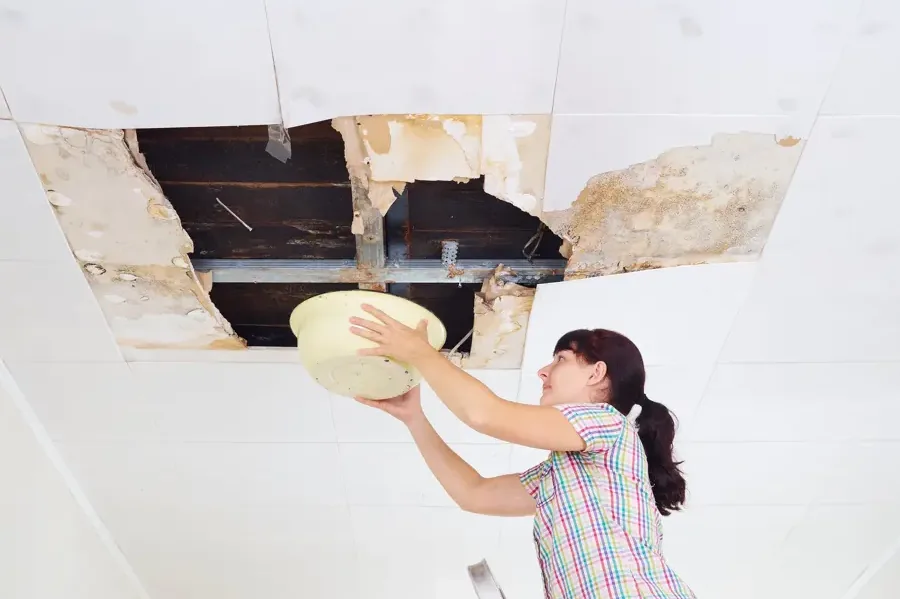
Look at the ceiling and walls below for stains, sagging or drips, and note them before anything is moved.
Describe where the leak is, how long it ran and which rooms are wet, then call for extraction and drying.
Radiator and boiler leak cleanup ranges from $600 to $2,000 for one radiator on one floor up to $5,000 to $12,000 or more for a boiler room or a long leak. Hidden layers and time decide the total.
For a planning number on your own loss, try the water damage cost calculator. Ranges are typical, not a quote: the water category, the square footage, the material class and how fast drying started move the final figure, which comes from the walkthrough and the moisture map.
Meters and thermal cameras follow heating water from the radiator or boiler through the floor, walls and ceiling below.
Standing water is removed, and soaked flooring, plaster or drywall that cannot dry is cut out to uncover the layers.
Air movers and dehumidifiers, sometimes with floor drying mats, dry the subfloor and cavity while readings are logged.
The report names the source, lists the materials removed and carries photos and readings, so the insurer can see what the heating system loss involved and why.
A radiator or boiler leak often starts small, with a drip at a valve or fitting. Over days it can soak a floor and drop through to the ceiling below, and in a flooded basement a boiler may be lost outright.
Water from a heating system is warm and keeps coming while the system is filled. It pools under radiators, runs along joists and finds the gaps around pipes, so damage turns up one room away from the leak itself.
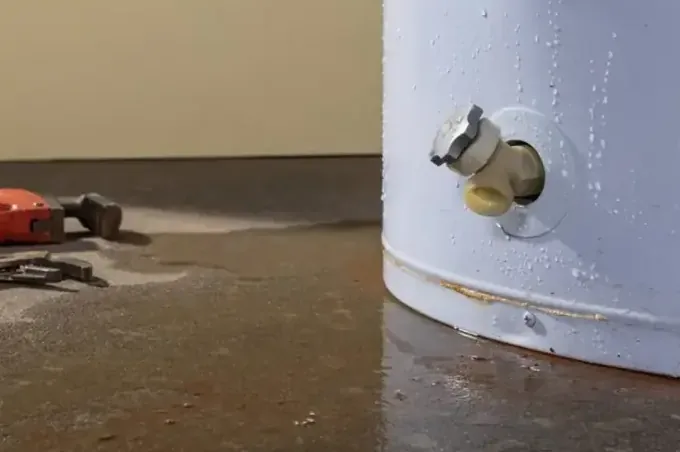
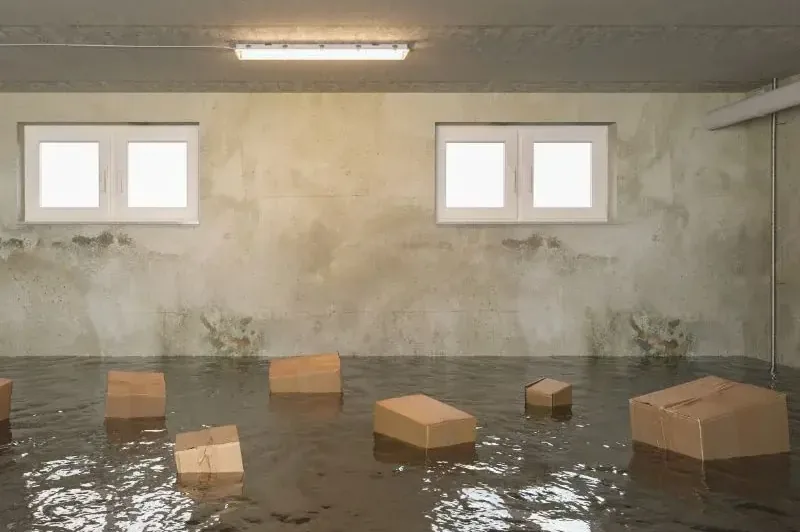
After Ida, one local family replaced a hot water heater and two boilers that sat in a flooded basement. That kind of loss starts with basement flooding cleanup, while the water heater side is covered under water heater leak cleanup.
Steam and hot water systems use radiators, valves and fittings that wear over years. A radiator valve can weep at the packing, a boiler can leak at a gasket or relief valve, and a pipe joint can drip behind a cover. Each leak adds up quietly, and the first sign is often a stain below or a puddle under a radiator.
Heating water may also carry rust, scale and treatment chemicals, so the crew treats it with some care and wears gloves. After the extraction, hardwood, plaster and subfloor are dried in a controlled way, because forcing heat onto wet wood can split boards. A heating technician repairs the system itself once the area is safe, and a falling pressure gauge can hint at a hidden leak.
Heating leak crews cover ZIP codes 07041 and 07078, including Short Hills, Wyoming, Deerfield-Crossroads and the Millburn center, with moisture meters and floor drying mats for wood floors and plaster ceilings.
The same service nearby: radiator and boiler leaks in Orange, Irvington, Verona.
Close the radiator valve if it is safe, turn off the boiler and catch the drips. Check the ceiling below for stains, then call for extraction and drying.
It can be hot, and old system water can carry rust and sludge. Wait for it to cool, avoid skin contact and let the crew handle cleanup.
Sometimes, if the water is extracted early and drying starts quickly. Cupping and gaps appear when moisture stays in the boards, so readings settle the decision.
One local family replaced two boilers and a hot water heater after Ida. A heating technician decides whether a unit can be saved, and the crew documents the exposure.
Moisture meters and thermal cameras show wet areas behind plaster or under flooring, so openings are made only where moisture actually sits.
Printed ranges run from $600 to $2,000 for one radiator on one floor to $5,000 to $12,000 or more for a boiler room or long leak.
One call sets up extraction and drying, and the crew explains whether floors or ceilings need opening.