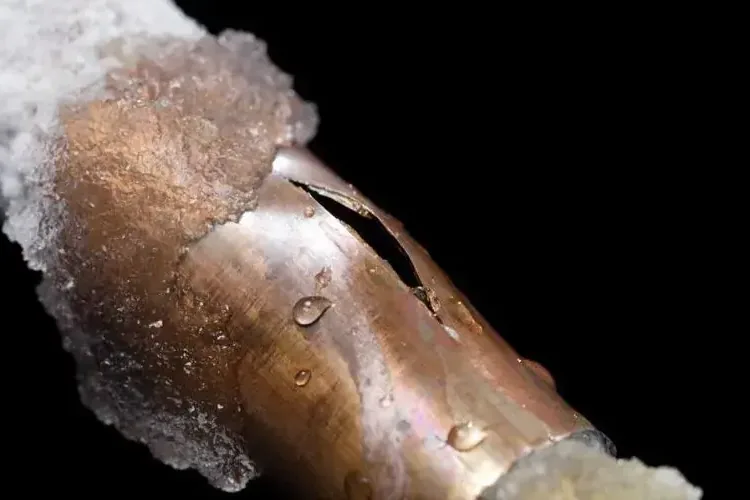


Why does a frozen pipe leak after it thaws?
Ice can split the pipe wall while keeping the water in. When the ice melts, water flows out of the split, so the leak often appears just as the weather warms.
Northern New Jersey winters can freeze exposed pipes in unheated spaces, and the thaw can bring a sudden leak. Fast extraction and drying limit how far the water travels through walls and floors.
(888) 471-9821Dry out the thaw damage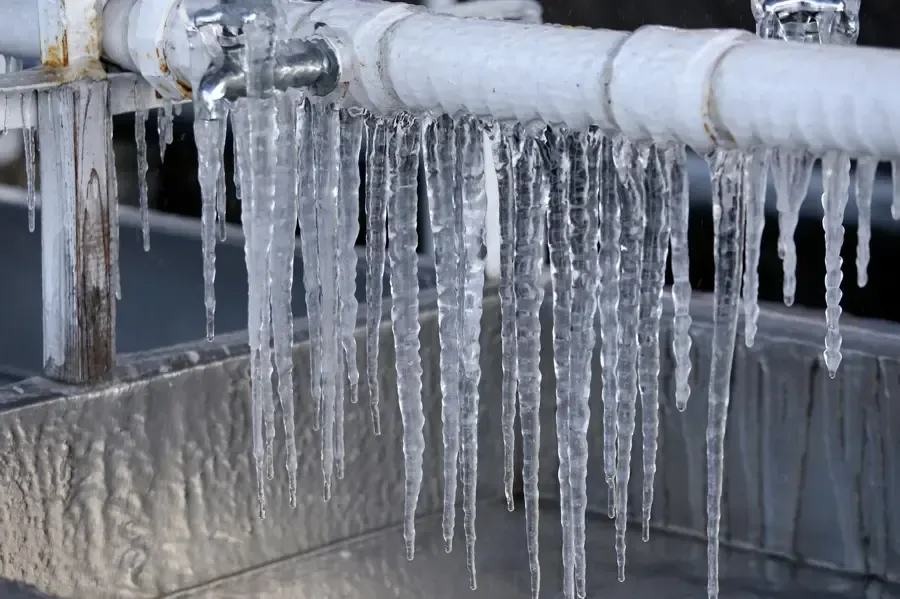
Close the main valve as soon as a leak appears, since a split pipe sends water through the wall once the ice melts.
Leave the heating running and open cabinet doors under sinks so warm air reaches pipes that are still frozen.
Never thaw a pipe with a torch or open flame, and leave frozen sections alone until a plumber has checked them.
Record the split pipe, wet walls and ceilings and any ice buildup, then call for extraction and drying.
Frozen pipe cleanup ranges from $1,200 to $4,000 for one wall caught at the thaw up to $9,000 to $20,000 or more for a winter break that ran unnoticed. Time between the thaw and discovery drives the range.
For a planning number on your own loss, try the water damage cost calculator. Ranges are typical, not a quote: the water category, the square footage, the material class and how fast drying started move the final figure, which comes from the walkthrough and the moisture map.
The crew finds where the pipe split, whether the shutoff holds and which walls, ceilings and floors took the water.
Water is pumped or vacuumed out, and wet drywall and insulation are cut away to expose studs and plates.
Dehumidifiers and air movers run on the opened cavity, with moisture readings repeated until the framing reaches target.
Photos, readings and the cause notes are assembled for the insurer so the claim shows a freeze split and its path.
Pipes in unheated garages, crawl spaces and exterior walls are the usual targets when temperatures drop. The damage often shows only when the thaw sends water through the wall.
A freezing pipe can split without leaking, because the ice plugs the opening. Once it warms, the plug melts and the pipe, now open along its side, releases water under full pressure into whatever surrounds it.
Drying follows the same standard as any other leak, and the work is described under burst pipe water damage and structural drying. Cold weather does not change the need to move fast, because wet insulation holds moisture whatever the season.
Insulating pipes in garages and crawl spaces, sealing gaps around exterior walls and letting a faucet drip during a hard freeze all reduce the risk. Keeping the heat on in vacant rooms and opening cabinet doors under sinks on exterior walls lets warm air reach the pipes.
Knowing where the main shutoff valve is can turn a major loss into a small one. When a pipe does split, closing the valve right away stops the flow, and everything from there is extraction and drying. Households that travel in winter should ask someone to check the house regularly, and a thermal camera can pick out cold pipe runs inside walls.
Frozen pipe response covers ZIP codes 07041 and 07078, including Short Hills, Wyoming, Washington Rock and the Millburn center, with extraction pumps and wall drying equipment carried on the truck.
The same service nearby: frozen pipe water damage in Orange, Irvington, Verona.
Ice can split the pipe wall while keeping the water in. When the ice melts, water flows out of the split, so the leak often appears just as the weather warms.
No. Open flame can start a fire and can damage the pipe further. Leave the area alone, keep heat on and have a plumber handle thawing and repair.
Behind cabinets on exterior walls, in crawl spaces, in garages and above ceilings of unheated rooms. Moisture meters and thermal cameras trace the path when nothing shows on the surface.
It starts as clean Category 1 water, but it can degrade if it soaks building materials for long. Early extraction keeps the cleanup simpler.
Coverage depends on the policy and the circumstances, so ask the insurer early. Photos, readings and cause notes keep the claim file complete and easy to follow.
Most take several days of equipment time. Cold, damp wall cavities can dry more slowly, so readings decide when equipment comes off.
One call starts the response, and the crew explains which walls may need opening and how long drying could take.