
What should be done first when a pipe bursts?
Close the main water valve, switch off power to affected rooms and move belongings out of the wet area. Then call for extraction so wet materials are removed before they stay saturated.
A burst pipe can put a lot of water through a wall or ceiling quickly. Shutting the valve, removing wet materials early and drying the cavity keeps a small failure from becoming a whole-house loss.
(888) 471-9821Dry out after the burst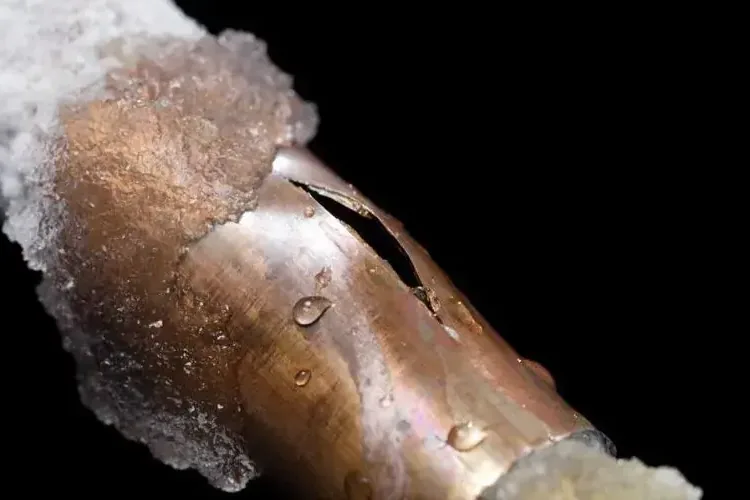
Turn the main water valve off, then open a faucet at the lowest point to drain the remaining pressure from the pipes.
Switch off breakers for rooms with dripping ceilings, wet outlets or water pooling near cords.
Set buckets under drips, lift belongings from wet floors and pull furniture away from affected walls.
Photograph the break, then call for extraction and drying before the walls are patched or closed over wet insulation.
Burst pipe cleanup ranges from $1,000 to $3,500 for one wall or room up to $8,000 to $18,000 or more for a long running break across several rooms. The time the pipe ran before shutoff matters most.
For a planning number on your own loss, try the water damage cost calculator. Ranges are typical, not a quote: the water category, the square footage, the material class and how fast drying started move the final figure, which comes from the walkthrough and the moisture map.
The crew follows moisture with meters and thermal cameras from the break to every wall, ceiling and floor it reached.
Standing water is removed, and drywall, insulation or flooring that cannot dry in place is cut out to expose the cavity.
Air movers and dehumidifiers run on the opened area while readings are taken at each visit until studs and subfloor are dry.
Photos of the break, the damage path and the readings are compiled so the claim shows what failed and what it cost.
A split pipe floods fast, and the water follows framing, wiring holes and floor seams to places nobody can see. In any Millburn home, the pipe has to be shut off and the wet materials removed quickly.
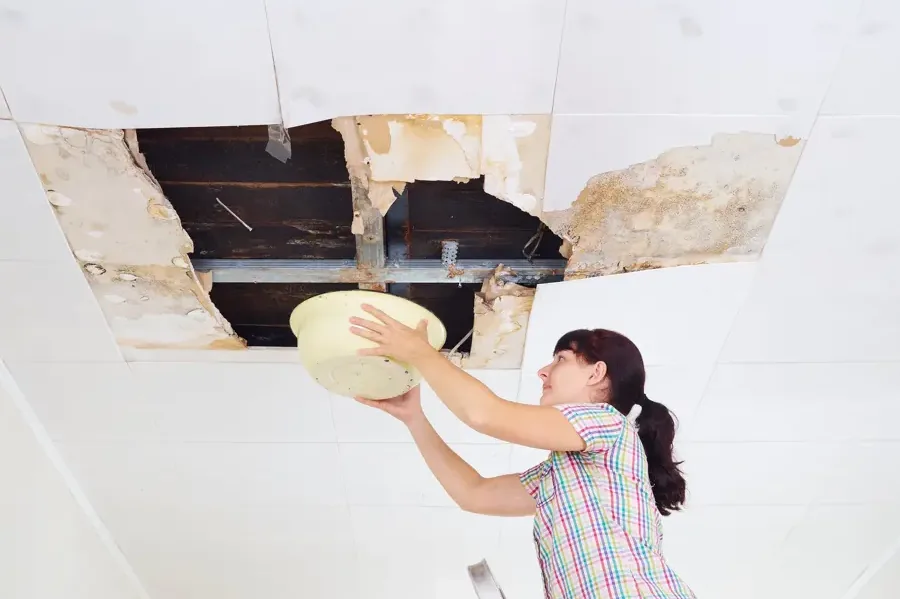
Water from a pressurized pipe keeps coming until the valve is closed. Meanwhile it soaks insulation and drywall that hold moisture long after the surface looks dry, and it can travel down to the ceiling of the room below.
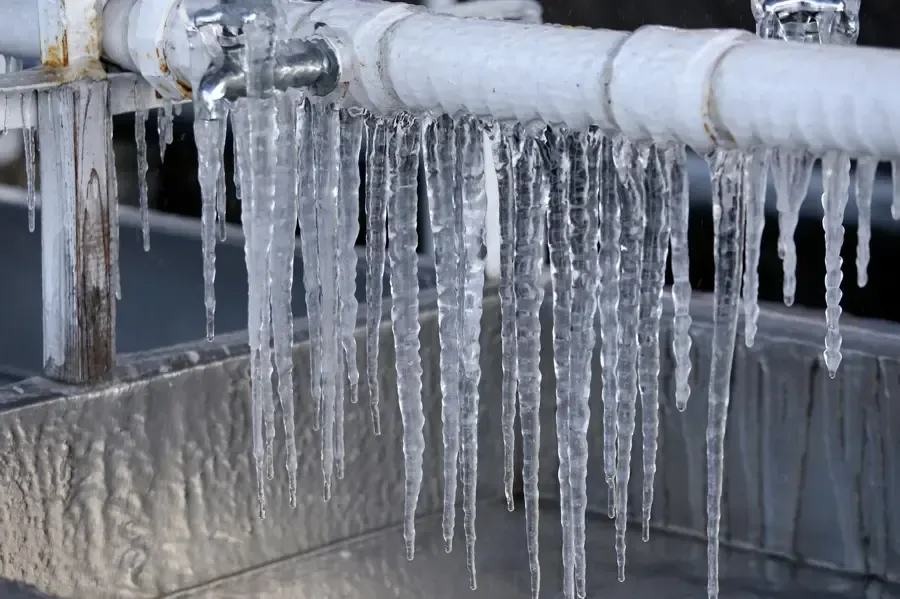
Winter breaks have their own page on frozen pipe water damage, and wet ceilings below a break are covered under ceiling leak water damage. After pipe water is out, structural drying finishes the job.
Opening a wall for a burst pipe is rarely dramatic. A section of drywall near the floor or the break is cut away so the cavity can breathe, and the crew uses meters to confirm where the wet insulation ends. Only the material that is wet or likely to stay wet is removed, which keeps repairs smaller. Tell the crew about any recent plumbing work, since a loose fitting is a common cause.
Pipes run through attics, utility rooms and kitchen walls, so a break can wet several rooms at once. Moisture mapping before any cutting prevents guesswork, and the finished report lists exactly what was opened, what was removed and what was dried in place.
Burst pipe crews cover ZIP codes 07041 and 07078, from Short Hills and Wyoming to Glenwood, Knollwood and the Millburn center, with meters and drying equipment loaded for wall and ceiling losses.
The same service nearby: burst pipe water damage in Orange, Irvington, Verona.
Close the main water valve, switch off power to affected rooms and move belongings out of the wet area. Then call for extraction so wet materials are removed before they stay saturated.
It starts as Category 1 clean water, but it can turn worse as it sits and picks up contaminants from building materials. Speed keeps it in the cleaner category.
Often, yes. Water follows framing and drops through floor gaps, so ceilings under the break are checked with meters and opened if they are soaked or sagging.
Crews remove water and dry the structure. The pipe itself is repaired by a plumber, so the shutoff stays closed until that repair is done.
Photos of the break, moisture readings and a written scope are kept for the adjuster. Hold on to the damaged pipe section if the plumber removes it.
Printed ranges run from $1,000 to $3,500 for one wall or room to $8,000 to $18,000 or more for a long running break across several rooms.
Most pipe losses take several days of drying, depending on the number of rooms and how long the water ran before the valve was closed.
One call lines up extraction, wall opening and drying, and the crew explains what has to come out.