

Is sewage water dangerous to touch?
Yes. It carries bacteria and other harmful microbes, so skin contact, splashing and breathing in spray are all risks. Crews wear suits, gloves, boots and respirators for that reason.
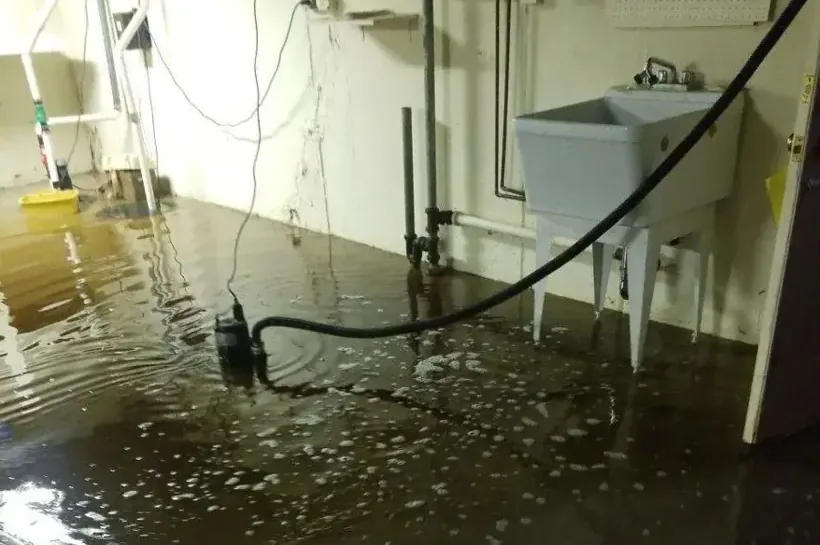
After Ida, one local basement was covered in dirt and sewage water. A backup is Category 3 contamination, so the cleanup calls for protective gear, careful removal and thorough sanitizing, not a mop.
(888) 471-9821Stop the spread of sewage
Keep children, pets and everyone else out of the affected rooms, and avoid touching the water or anything it reached.
Do not flush, run the washer or use sinks that feed the same drain, because that sends more water into the backup.
Turn off breakers for any room where water reaches outlets, then stay out of those rooms.
Photograph from a distance without stepping in, and describe what came up and where, so the crew arrives with the right gear.
Sewage cleanup ranges from $2,000 to $5,000 on a bare cellar floor up to $12,000 to $30,000 or more for a finished basement or apartment. Contaminated finishes and the area affected drive the cost.
For a planning number on your own loss, try the water damage cost calculator. Ranges are typical, not a quote: the water category, the square footage, the material class and how fast drying started move the final figure, which comes from the walkthrough and the moisture map.
Crew members put on suits, gloves and respirators, then isolate the area so contamination does not travel through the house.
Contaminated water is pumped or vacuumed out, and solids and silt are shoveled and bagged for disposal.
Carpet, padding, insulation and low drywall that soaked up the water are cut out, and surviving surfaces are scrubbed and sanitized.
Air movers and dehumidifiers dry the framing and slab, and readings confirm the space is ready for rebuilding.
A sewage backup can arrive through a floor drain, a toilet or a basement fixture when the sewer is overwhelmed. During Ida, a one-story home had a basement covered in dirt and sewage water, and cleanup there meant far more than drying.
Clean pipe water and sewage water are not the same job. Sewage carries bacteria and other harmful microbes, so anything porous that it touched is removed instead of dried, and cleaning follows a stricter procedure. Walking in without protection puts the household at risk.
Once the structure is clean, drying brings it back to a safe moisture level before anything is rebuilt. The basement flooding cleanup and structural drying pages cover what happens next, and records from every stage support the insurance file. Sewage losses can also involve river water, since Ida pushed the Rahway River into local streets and basements.
Sewage water can cause stomach illness and skin infections, so nobody should clean it up with household tools. Crews use sealed suits, gloves, boots and respirators, and they seal off the work area so contamination does not travel on shoes or air currents.
Pets and children should stay away until the work area is cleared. Hard surfaces that survive are cleaned and then treated with a disinfectant, and porous items that cannot be cleaned, such as mattresses, upholstered furniture and stored paper, are bagged for disposal after being photographed. Drying starts only after the contaminated material is out, so moisture is not sealed into surfaces that still carry microbes.
Sewage cleanup covers ZIP codes 07041 and 07078, including Short Hills, Wyoming, South Mountain and the older in-town streets near Millburn station, with protective gear and sanitizing supplies carried on every job.
The same service nearby: sewage backup cleanup in Orange, Irvington, Verona.
Yes. It carries bacteria and other harmful microbes, so skin contact, splashing and breathing in spray are all risks. Crews wear suits, gloves, boots and respirators for that reason.
Not usually. Carpet and padding soak up contaminated water, and porous materials are normally removed and discarded instead of dried. Hard surfaces that survive are cleaned and sanitized.
Common causes are a blocked drain, an overwhelmed sewer during heavy rain or a failed pump. The cause is noted in the report so the claim and any plumbing repair can follow.
Yes. One one-story home had waist-deep water in Ida, and its basement was covered in dirt and sewage water, which made the cleanup a contamination job and not just a drying job.
Removal and sanitizing usually come first, followed by several days of drying. Larger finished spaces take longer because more material is removed and more framing must read dry.
That depends on how far the contamination spread. Keep everyone out of the affected rooms, avoid shared drains and ask the crew whether any other part of the home needs to be closed off.
Printed ranges run from $2,000 to $5,000 for a bare cellar floor to $12,000 to $30,000 or more for a finished basement or apartment, depending on how much material is lost.
A single call sets up protective gear, extraction and sanitizing, and the crew explains which materials have to be discarded.