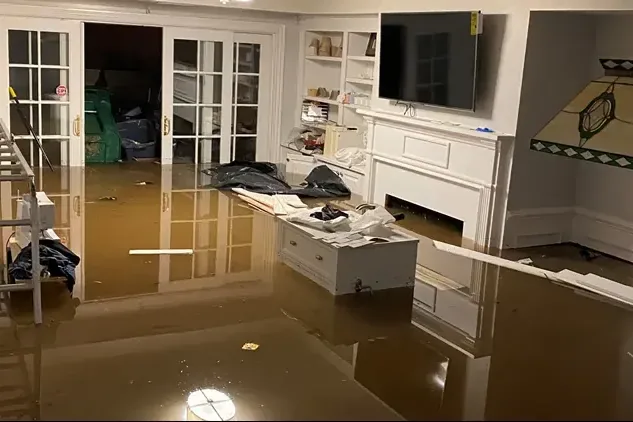


Can drying happen while the business stays open?
Often, with containment and scheduling. Crews isolate the wet area, and equipment is placed to limit disruption, though some jobs need the space closed.
Hurricane Floyd in 1999 hit about 90 downtown businesses, while Ida flooded Millburn Avenue shops and restaurants again in 2021. Commercial drying is planned to keep downtime short and records complete for the claim.
(888) 471-9821Protect the business space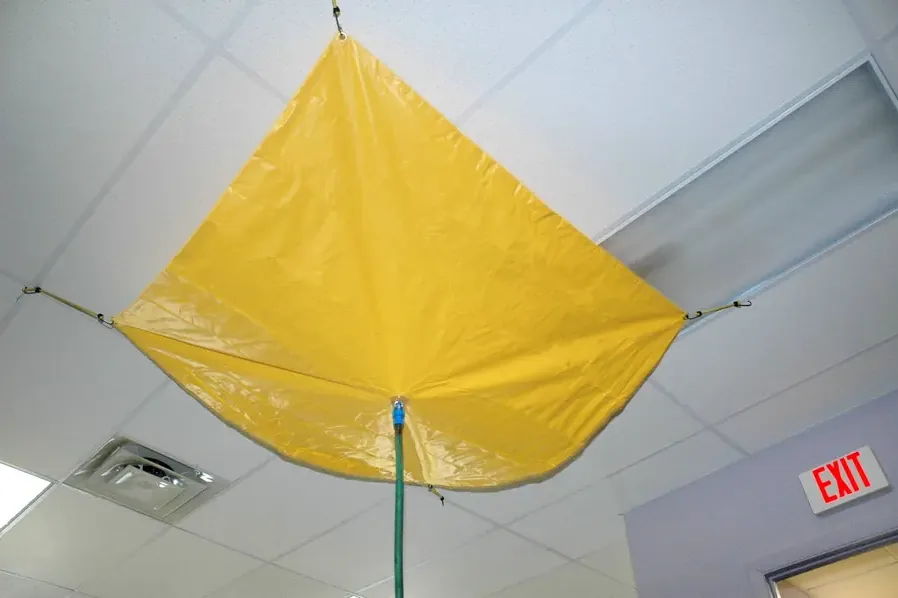
Clear customers and staff from wet floors and sagging ceilings, and shut off power to affected areas.
Close the building's water valve if a pipe or fixture failed, and move inventory and records off the floor.
Photograph the water, damaged stock, fixtures and finishes before cleanup, and keep receipts for emergency expenses.
Describe the space, the tenants and the water source, so the crew can plan containment around other units.
Commercial water damage ranges from $3,000 to $10,000 for one suite or storefront up to $30,000 to $75,000 or more for a large loss or Category 3 water. Size and contamination set the range.
For a planning number on your own loss, try the water damage cost calculator. Ranges are typical, not a quote: the water category, the square footage, the material class and how fast drying started move the final figure, which comes from the walkthrough and the moisture map.
Crews walk the space, identify the source and use containment to protect neighboring units and stock from moisture.
Water is pumped out, and ceiling tiles, carpet tile, drywall and insulation that cannot dry are removed to expose the structure.
Equipment is placed and scheduled to reduce noise and downtime, with readings taken at each visit.
Photos, readings and a written scope of lost materials are prepared for the business policy and the landlord.
Floyd caused nearly $25 million in damage in 1999, and one Millburn Avenue restaurant owner said Ida was his third flood in 20 years. Commercial owners have reason to plan for water before it arrives.
A shop or restaurant has tenants, inventory, equipment and neighbors to protect, so containment and scheduling matter as much as the drying itself. A delay means lost sales as well as lost materials.
Large floods follow the steps in storm and flash flood cleanup, and the equipment side is covered under structural drying. Sewage in a restaurant or office falls under sewage backup cleanup.
A shop or restaurant cannot always close for a week. The crew starts by asking what has to stay open, which areas hold stock or equipment and where customers and staff move. Containment barriers and phased drying then let part of a space reopen while the rest is still being worked on. Inventory should be photographed before it is moved or thrown away.
Property managers, landlords and tenants each need their own copy of the findings. Photos, readings and a written scope of removed materials are kept organized by unit, so each party can file with its own insurer without waiting on the others. Water from a failed pipe above a drop ceiling often stays hidden until tiles stain, so ceiling spaces are checked during every commercial job.
Commercial crews cover ZIP codes 07041 and 07078, including Millburn Avenue shops, offices near the train stations and businesses in Short Hills and Wyoming, with equipment sized for storefronts and suites.
The same service nearby: commercial water damage in Orange, Irvington, Verona.
Often, with containment and scheduling. Crews isolate the wet area, and equipment is placed to limit disruption, though some jobs need the space closed.
Yes. Millburn Avenue businesses, including a fashion shop and a restaurant, flooded in Ida, and one restaurant owner said it was his third flood in 20 years.
The scope and records identify which materials belong to the tenant and which to the building, which helps both sides when the claims are filed.
Yes. It is Category 3, which means protective gear, removal of porous materials and sanitizing. Health rules for food areas are a separate matter for the owner.
Photos of the water and damaged stock, moisture readings, a scope of removed materials and receipts for emergency costs. Business interruption claims also need sales records.
Printed ranges run from $3,000 to $10,000 for one suite or storefront to $30,000 to $75,000 or more for a large loss or Category 3 water.
One call starts the plan for containment, extraction and drying, and the crew explains how work can fit around operations.