
What should be done when a water heater leaks?
Close the cold supply valve, switch off power or gas to the heater and keep away from wet wiring. Then call for extraction so the floor and walls can start drying.
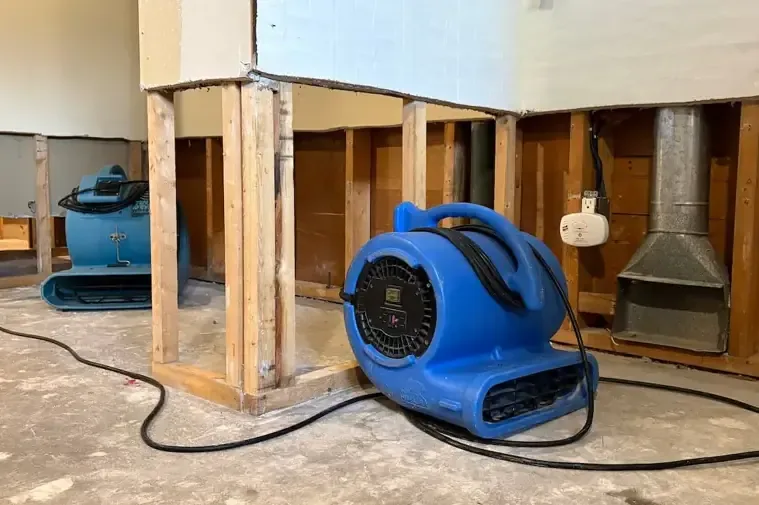
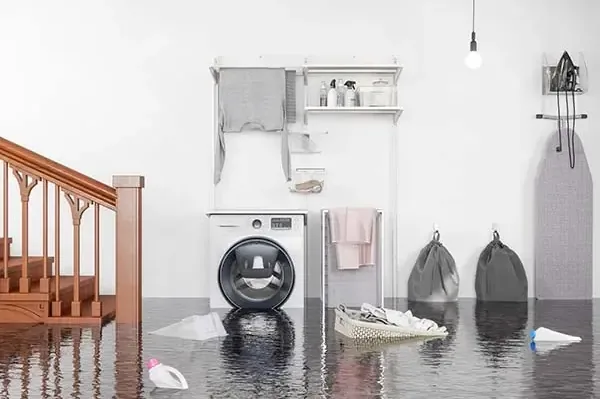
After Ida one local family replaced a hot water heater and two boilers that sat in a flooded basement. A leaking tank, flooded or not, soaks the floor and walls around it and needs quick extraction and drying.
(888) 471-9821Dry the tank leak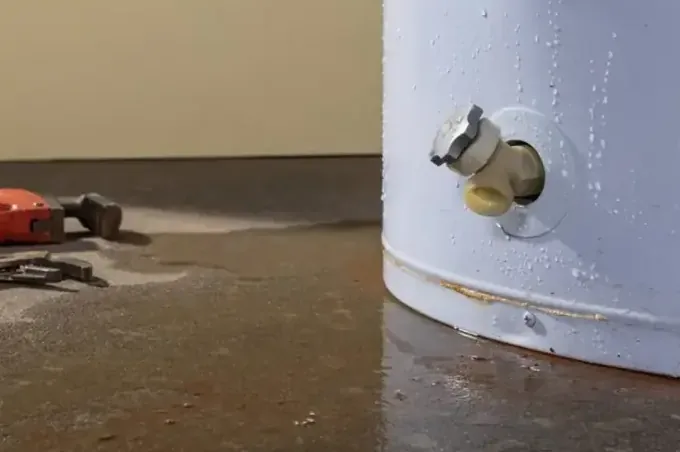
Close the cold water valve on top of the tank and turn off gas or power to the heater before anyone gets close.
Stay out of standing water near the tank and the panel, and switch off breakers for the room if it is safe.
Lift boxes and stored items off the floor, and set towels around the base to slow the spread.
Describe the size of the puddle and the surfaces it reached, then call so drying can start before the water soaks into walls.
Water heater leak cleanup ranges from $800 to $2,500 for a bare cellar floor up to $6,000 to $12,000 or more when a burst tank hits a finished space. Where the heater sits and how much water was released decide the total.
For a planning number on your own loss, try the water damage cost calculator. Ranges are typical, not a quote: the water category, the square footage, the material class and how fast drying started move the final figure, which comes from the walkthrough and the moisture map.
The crew confirms the supply is off, then removes the water from the floor, drain and low spots around the tank.
Meters test baseboard, drywall, flooring and stored cardboard to find where the water traveled and what stays wet.
Materials that cannot dry are removed, and air movers and a dehumidifier handle the rest while readings track the drop.
Photos of the tank, the leak path and the readings go into the file, with notes the plumber and insurer can use.
Tanks in utility rooms and basement corners can leak for days before anyone notices, and in a flooded basement they can be ruined outright. Early extraction keeps the damage to the area around the tank.
A slow seep from a tank wets the floor, the bottom of the wall and anything stored beside it. Because it is hidden behind the tank, it often runs for a long time, which means more material is wet than the puddle suggests.
When a flood submerges the heating equipment, the job starts with basement flooding cleanup, and leaks from heating systems are covered under radiator and boiler leaks. Replacement of the tank itself is a plumber's work.
Rust-colored water, damp spots on the floor around the base, rumbling noises and a puddle under the tank all point to trouble. Corroded fittings and aging tanks are the usual culprits, and the leak often starts at the bottom where sediment collects.
A tank in a closet or utility room can leak into the wall behind it, so the baseboard and drywall next to the heater are checked every time. If the heater sits on a finished floor, the flooring under it needs readings too, because water spreads beneath boards before it shows. Photograph the tank label and the leak point before the unit is removed. A plumber handles repair or replacement once the area is stable.
Water heater leak crews cover ZIP codes 07041 and 07078, including Short Hills, Wyoming, Merrywood and the Millburn center, with extraction pumps and moisture meters sized for utility rooms, closets and basements.
The same service nearby: water heater leak cleanup in Orange, Irvington, Verona.
Close the cold supply valve, switch off power or gas to the heater and keep away from wet wiring. Then call for extraction so the floor and walls can start drying.
A burst tank is, because it releases a large volume quickly. A slow drip is less urgent but still soaks the floor and the bottom of the wall, so it should not wait long.
One local family replaced a hot water heater and two boilers after Ida. A plumber decides whether a unit can stay, and the crew records the exposure.
Concrete usually dries well. Wood subfloors and finished flooring depend on how long they stayed wet, and moisture readings decide whether they stay.
Photos of the tank, the water path and the damaged materials are kept, along with moisture readings, so the insurer can see what failed.
Printed ranges run from $800 to $2,500 for a bare cellar floor to $6,000 to $12,000 or more for a burst tank in a finished space.
One call starts the plan for extraction and drying, and the crew explains what may need to come out.