

Is radiator water dangerous?
It can be hot enough to burn, and it often carries rust and treatment chemicals. Let it cool, wear gloves and avoid touching the water around a boiler.
A leaking radiator valve or boiler joint can soak a floor all heating season before anyone notices. The crew extracts the water, finds what spread beneath it and dries the wet floors and ceilings below.
(888) 471-9821Trace the heating leak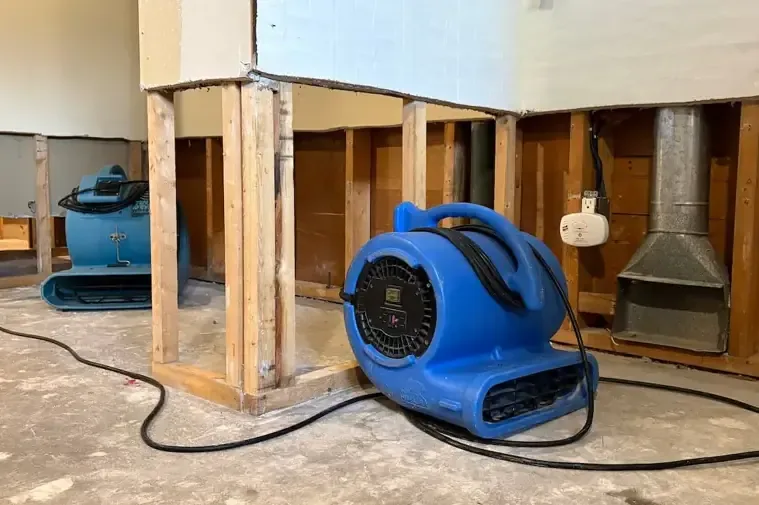
Close the radiator valve or the boiler feed if it is reachable, and turn the heating system off so it stops pushing water into the leak.
Water from a heating system can be hot enough to scald. Let it cool before wiping up.
Set a pan under any drip, then photograph the radiator, the wet floor and any stain on the ceiling below with the date noted.
Tell the crew which floors are wet and how long the leak has run.
Radiator and boiler leak cleanup runs $600 to $2,000 for one radiator on one floor and $2,000 to $5,000 when the ceiling below is wet. A boiler room or a long-running leak reaches $5,000 to $12,000 or more. Hidden spread drives the final figure.
For a planning number on your own loss, try the water damage cost calculator. Ranges are typical, not a quote: the water category, the square footage, the material class and how fast drying started move the final figure, which comes from the walkthrough and the moisture map.
The crew traces the leak with meters, then pulls the water from floors and trim with wet vacs and small extractors, noting which floors and ceilings below are involved.
Baseboard and small floor or ceiling sections are removed where the meters show moisture, so airflow can reach the cavity.
Air movers and a dehumidifier dry the floor system and the ceiling below, with the temperature and humidity logged each day.
Final readings are compared with dry reference material, and the photos and logs are packaged for the adjuster, including the date each reading was taken.
Heating leaks hide well. A weeping valve or a seeping boiler joint can drip into a floor for weeks, and the water often travels along joists to a ceiling in the unit below before anyone sees a stain. Boiler rooms deserve a careful look, because a long leak can undermine stored items, electrical panels and the floor itself.
Unlike a burst pipe, a heating leak is often slow and steady. The water is warm, it may carry rust and sediment from the system, and it keeps soaking the same boards until the heating season ends or the leak worsens.
Because the water is warm, it can also raise humidity in the room and condense on cold windows and walls, which makes the damage look larger than the leak. The meter readings separate real wetness from surface moisture.
In multi-story homes and apartment buildings, a radiator leak rarely stays in one room. Floors hold water, and the ceiling below sags quietly. If drywall is bulging, see ceiling leak water damage for the matching steps. Check the corners under windows, the closet beside a riser and the ceiling directly beneath each radiator.
A plumber or heating technician repairs the source, and the restoration crew dries everything the water reached. Pipes that split from cold are covered under frozen pipe water damage. The local hub lists the rest of the services.
Crews handle heating leaks across ZIP 07003, including Brookdale, Watsessing, Ampere North and Silver Lake, in single homes, two-family houses and apartment buildings near downtown, and in buildings around Bloomfield Avenue and the Bloomfield Green Historic District.
The same service nearby: radiator and boiler leaks in Orange, Nutley, Verona.
It can be hot enough to burn, and it often carries rust and treatment chemicals. Let it cool, wear gloves and avoid touching the water around a boiler.
Yes. Steady seepage soaks floorboards, subfloor and the ceiling below over weeks, which makes the repair larger than the visible puddle suggests.
The heating system is usually shut down until the leak is repaired. After that, normal heat helps drying, but the crew keeps readings to confirm the result.
Moisture meters and a thermal camera reveal wet areas behind trim and under flooring, so only the damaged section needs opening.
Stains can be sealed and painted once the drywall is dry. If the board is soft or sagging, that section is replaced instead.
A plumber or heating contractor repairs the radiator or boiler. The restoration crew handles the water damage, and the two jobs are scheduled together.
Yes. Water follows floor joists and pipe chases to nearby rooms and to the level below, so the survey covers adjoining spaces too.
Heating leaks soak floors quietly, then show up on the ceiling below. One call starts extraction and drying.