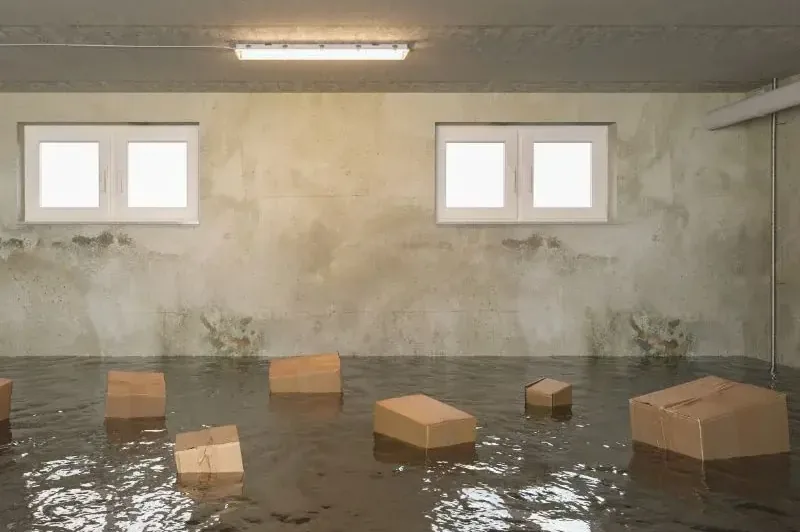

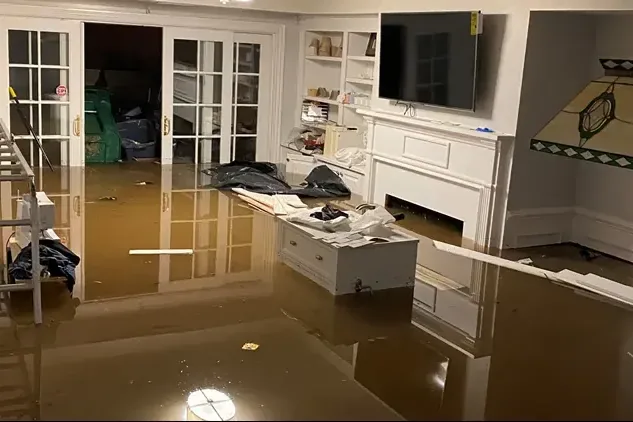
How deep can the water be?
Depth is not a limit. Submersible pumps handle several feet, then extractors and drying equipment finish the job once the floor is exposed.
Heavy rain along the Second River can leave water standing in rooms and cellars across town. Extraction pulls it out promptly, so floors and walls start drying before the damage spreads.
(888) 471-9821Get the water pumped out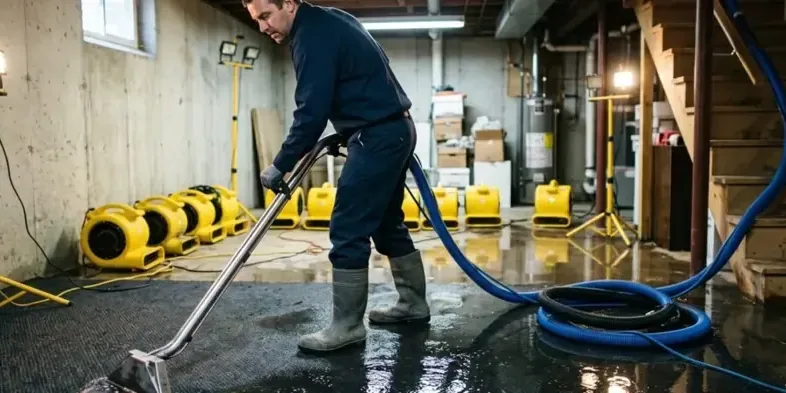
Shut the main valve if a pipe is feeding the water, and switch off power to wet outlets from a dry spot.
Move rugs, boxes and small furniture onto dry ground. Wet padding and paper goods soak up moisture quickly.
Take wide and close photos of the waterline, the soaked items and each flooded room before anything is moved.
Describe the depth, the rooms and where the water came from, so the crew arrives with pumps and extractors sized to the job.
Water extraction here usually runs $500 to $4,000 for a room, several rooms or a cellar. Deep water or Category 3 loss reaches $4,000 to $9,000 or more. Depth, area and contamination set the final figure.
For a planning number on your own loss, try the water damage cost calculator. Ranges are typical, not a quote: the water category, the square footage, the material class and how fast drying started move the final figure, which comes from the walkthrough and the moisture map.
A technician checks depth, spread and category with meters and a thermal camera, then marks where water has traveled into walls and under floors.
Submersible pumps clear deep water, and truck-mounted or portable extractors lift what remains from carpet, pad and hard floors.
Saturated padding, baseboard and low drywall come out when they cannot dry in place, which opens the cavity to airflow.
Air movers and dehumidifiers run until readings match dry reference materials, and the final logs go into the file for the claim.
Water extraction is the first job on most floods, because standing water keeps pushing moisture into subfloors, plaster and trim. Streets near Watsessing Park and the Second River see repeat flooding after heavy rain, so pumping out often comes before anything else.
The crew sizes the equipment to the depth. Deep water goes to submersible pumps first, then truck-mounted extractors work the carpet and pad, and smaller units reach corners, stairs and closets. Hard floors get wands and squeegee heads.
Water left in place soaks into plaster, hardwood and masonry. The IICRC S500 standard sets a working window of 24 to 48 hours, which is why the call comes before any mopping or box fans. Residents report repeated flooding on Thomas Street, Windsor Place and Beardsley Avenue, which makes quick extraction a recurring need rather than a rare one. Hardwood, plaster and block hold water for days, and a dry-looking surface can still read wet on a meter.
Once the standing water is gone, the building still holds moisture. A structural drying plan follows, and cellar water is handled under basement flooding cleanup. The local hub lists every service. Not every wet area is visible. Water wicks up drywall, slides under baseboards and settles in the subfloor, so the crew checks every room on that level, not only the one with the pool. Closets, stair landings and the floors below get the same meter sweep.
Extraction crews work throughout ZIP 07003, including Brookdale, Watsessing, Ampere North and Silver Lake, and the streets around Brookdale Park and Watsessing Park, where Toney's Brook, Wigwam Brook and the Second River come together.
The same service nearby: water extraction and removal in Orange, Nutley, Verona.
Depth is not a limit. Submersible pumps handle several feet, then extractors and drying equipment finish the job once the floor is exposed.
Not always, but floodwater from storms and drains counts as Category 3 and gets protective gear, careful disposal and sanitizing afterward.
No. Extraction removes the bulk water only. Moisture left in framing, subfloor and plaster needs a separate drying phase with fans and dehumidifiers.
Carpet from clean water can often be extracted and dried in place. Carpet padding rarely survives, and floodwater carpet is usually discarded.
Lift small furniture, electronics and papers onto dry surfaces. Leave heavy furniture where it stands so the crew can lift it safely.
Many policies cover sudden water events, and the logs, photos and moisture readings from extraction help support the claim. Policy wording decides. Keep the adjuster informed from the first call.
Mops and wet vacs miss water inside walls and under floors. A crew with meters finds it before swelling, staining and odor set in.
Yes. Floods rarely wait for business hours, so crews run pumps and extractors at any hour, and the work continues through the night when the depth demands it.
Standing water gets harder to clear as it soaks in. One call starts the extraction and the paperwork.