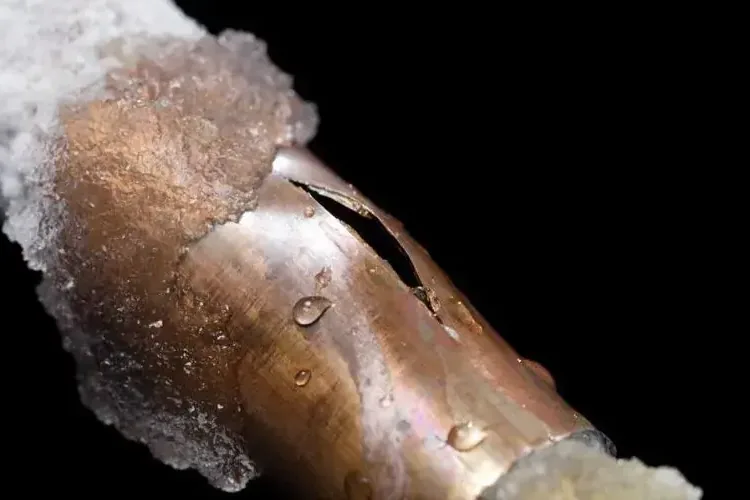


How do I know a pipe is frozen?
Low or no water at a tap, frost on an exposed pipe, or a bulging section are common signs. Open the tap and shut the main if you see any leak.
A frozen pipe often shows no leak until the thaw, when ice melts and water pours out of the crack, so the crew checks walls and floors even if the damage looks small.
(888) 471-9821Check the thaw damage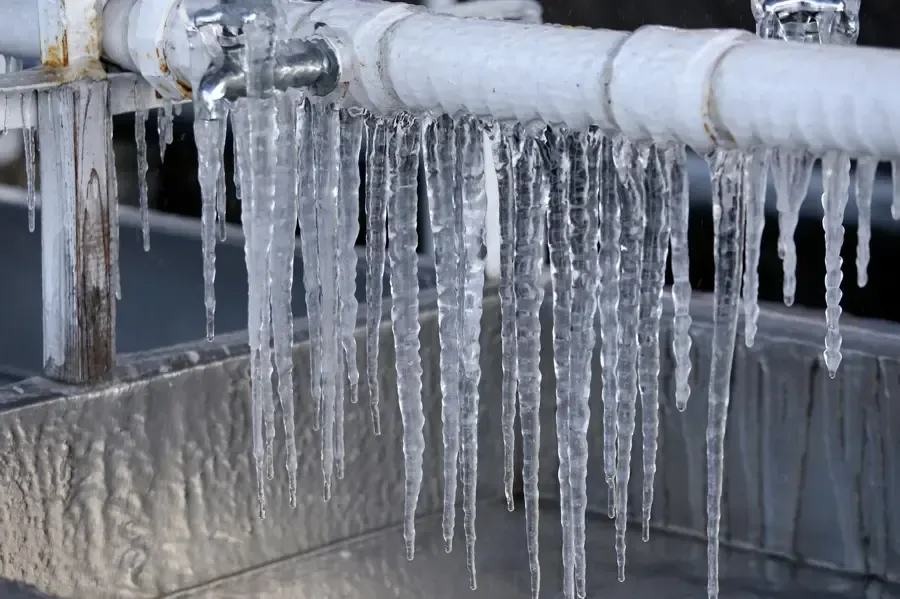
If a pipe is frozen but not yet leaking, open the nearest faucet so melting water has somewhere to go.
If water is already escaping, close the main valve at once, since a thawing crack can release a full flow of pressure.
Use a space heater with a safe clearance or open cabinet doors, but never use an open flame on a pipe.
Photograph the ice, the crack and any wet walls, then call a plumber for the pipe and a crew for the drying.
Frozen pipe damage can be modest if the crack is caught at the thaw, or severe if water ran unseen inside a wall for days. The cards below show how cost grows as the water reaches more rooms and sits longer before anyone finds it.
For a planning number on your own loss, try the water damage cost calculator. Ranges are typical, not a quote: the water category, the square footage, the material class and how fast drying started move the final figure, which comes from the walkthrough and the moisture map.
Meters and a thermal camera trace the escaping water from the cracked section through studs, insulation and the floor below.
Pooled water is pumped or vacuumed, then wet drywall and insulation are cut out where readings show they cannot dry in place.
Air movers and dehumidifiers run through the cold season, with heat balanced so that drying is steady and nothing refreezes inside the wall.
Readings are repeated until the materials are dry, and the photos and logs are saved for the insurance file.
Snow is common from December to March, and a hard cold snap can freeze water inside pipes that run through exterior walls, attics and unheated corners of Verona homes. The crack is usually invisible until the ice melts.
Ice swells and splits the pipe, but it also plugs the opening. Once temperatures rise, the plug melts and water flows at full pressure through the crack. A house left empty for a weekend can take on a great deal of water before anyone returns.
Winter drying needs steady warmth and moving air. The crew balances equipment so the structure dries evenly, while a sealed, wet wall cavity is opened early to prevent trapped moisture. Thermostats should stay set to a steady daytime temperature during the dry-out, even if the house is empty.
When a pipe splits without ice, see burst pipe water damage. Drywall that has gone soft may also need structural drying, and the local services page lists the rest.
Frozen pipe cleanup serves ZIP 07044, including Hillcrest, Verona Lake and the Bloomfield Avenue corridor, along with homes on streets near County Route 506 and County Route 577 throughout the township.
The same service nearby: frozen pipe water damage in Orange, Bloomfield, Nutley.
Low or no water at a tap, frost on an exposed pipe, or a bulging section are common signs. Open the tap and shut the main if you see any leak.
Rarely. The damage usually arrives with the thaw, when water pours from the crack, so check walls and ceilings as the weather warms.
Gentle warmth from a hair dryer or heater is safe, but never use a flame. If the pipe has already cracked, shut the water off and call for help.
If it got wet, yes. Wet insulation holds water against the studs and loses value, so it is removed and replaced once the cavity is dry.
Many policies cover sudden freeze damage when heat was kept on. Keep photos and the crew's logs, and ask your insurer about the specific terms.
Insulate exposed pipes, seal gaps near them, open cabinet doors on the coldest nights and let a tap drip when lows reach the lower 20s F.
Yes. Drywall soaked from above can bow or stain, and the crew opens it safely before it fails and drops onto the room below.
Call now, say where the pipe froze and what is wet, and a coordinator will route a crew to the property.